Shade-Loving Plants That Thrive in Containers: Perfect for Porches, Patios, and Balconies
Not every patio, porch, or balcony is blessed with full sun—but that doesn’t mean you can’t have a vibrant, thriving container garden.
In fact, some of the most beautiful, textured, and calming outdoor spaces are tucked into the shade.
Whether your small patio is nestled beside a tall fence, shaded by trees, or tucked under an overhang, there are plenty of plants that love low light—and they’re perfect for container gardening.
If you’ve ever struggled to find the right plants for those darker corners of your outdoor space, this post is for you. I’m sharing my favorite shade-loving plants that thrive in containers—no sprawling backyard required.
These varieties are perfect for small-space gardeners, apartment dwellers, or anyone looking to turn a quiet patio into a lush retreat. From colorful foliage to delicate blooms, these plants don’t just tolerate shade—they shine in it.
1. Hostas
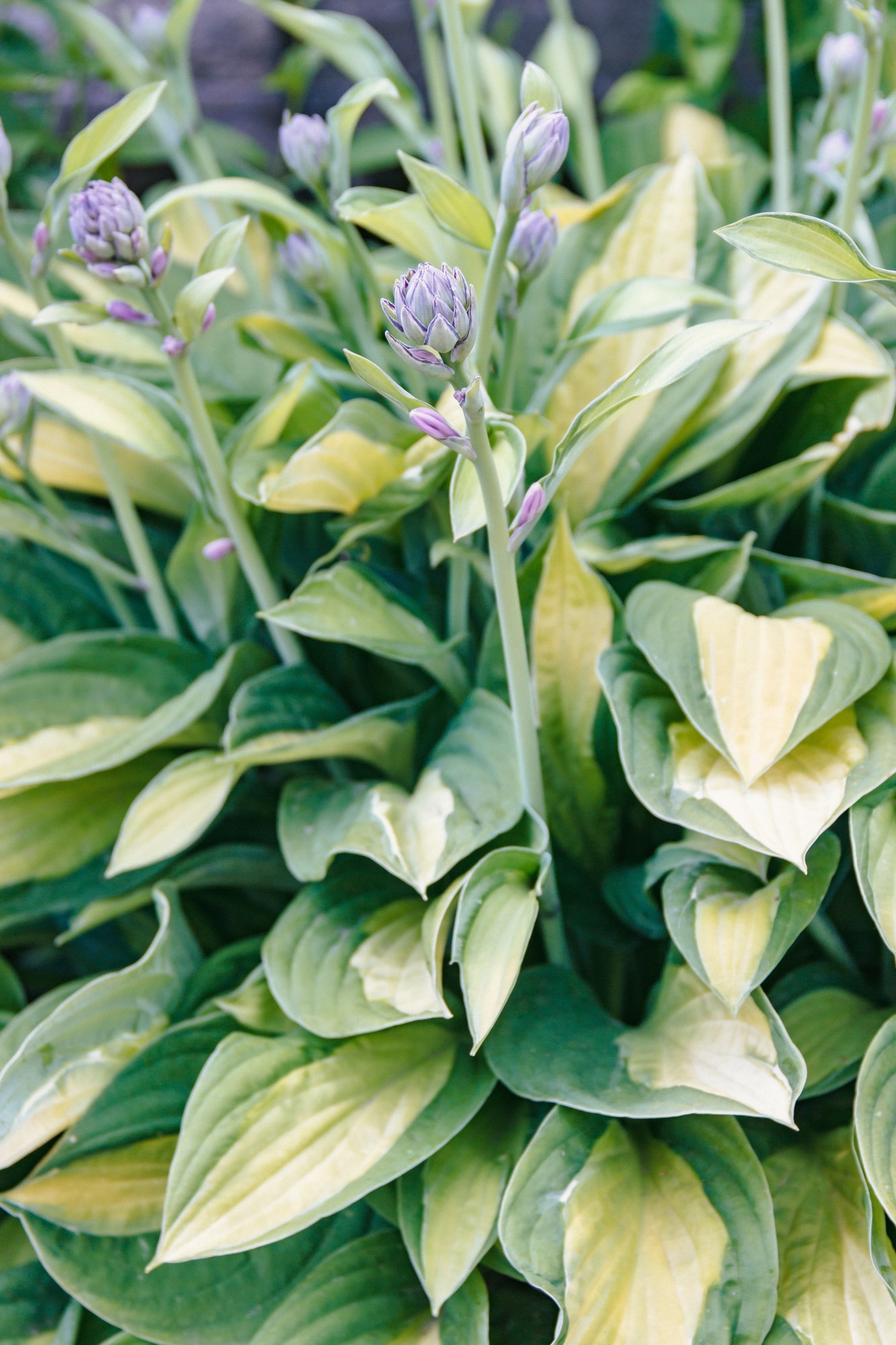
Hostas are a shade garden staple, known for their lush, wide leaves in colors ranging from deep green to bluish-gray, and even variegated white or chartreuse. They’re perfect for large containers and look beautiful when paired with other shade-lovers like ferns or heuchera.
Care tip: Slugs love hostas—especially in moist, shady spots. Use crushed eggshells or copper tape around your pots to keep them away.
2. Heuchera (Coral Bells
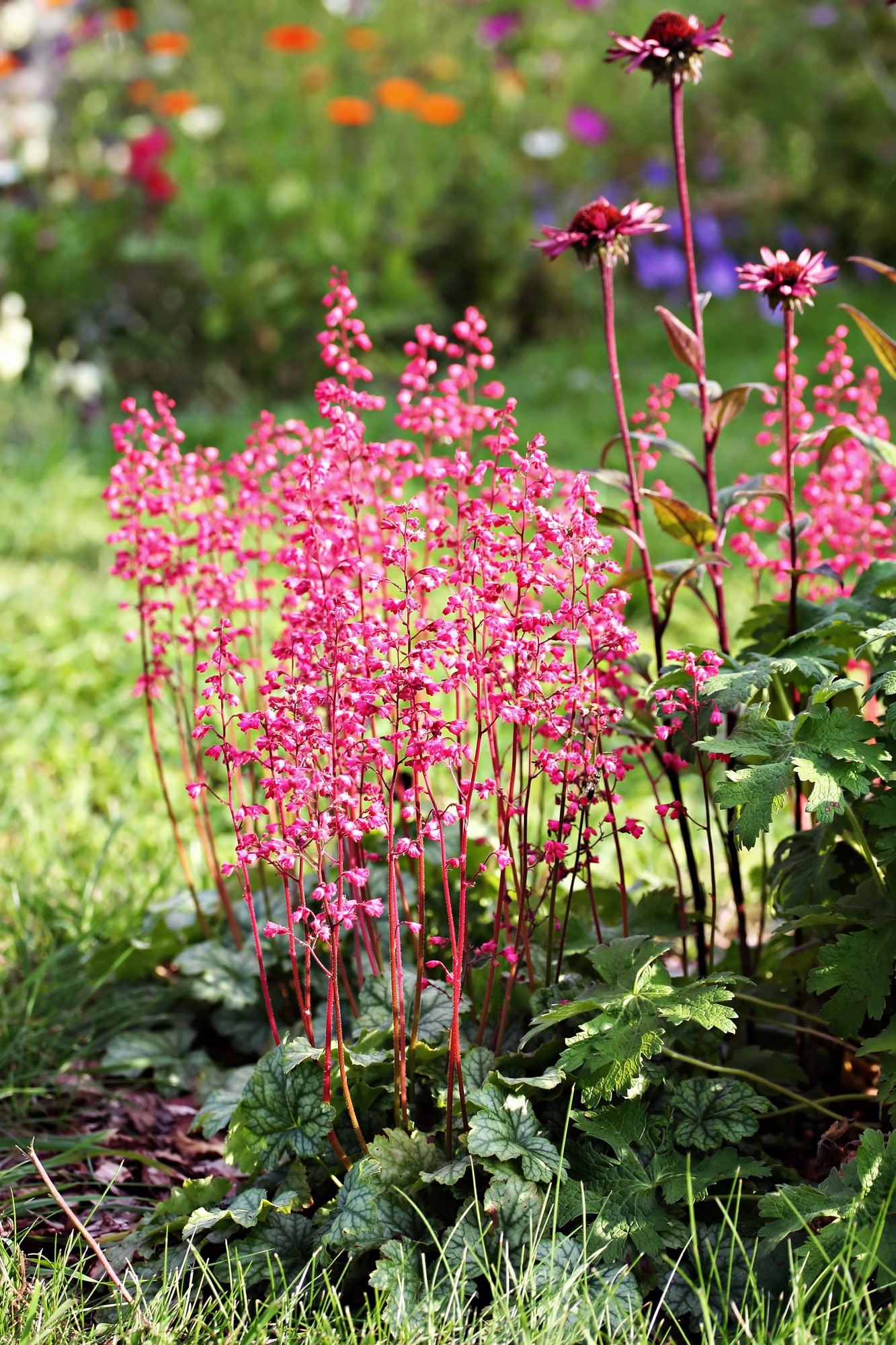
Heuchera offers colorful, ruffled foliage that comes in shades of amber, plum, lime green, and more. It’s a compact plant that adds depth and contrast to container arrangements while remaining low-maintenance.
Interesting fact: Heuchera is semi-evergreen in many climates, so it can provide color even in the colder months if you’re in a mild zone.
3. Ferns
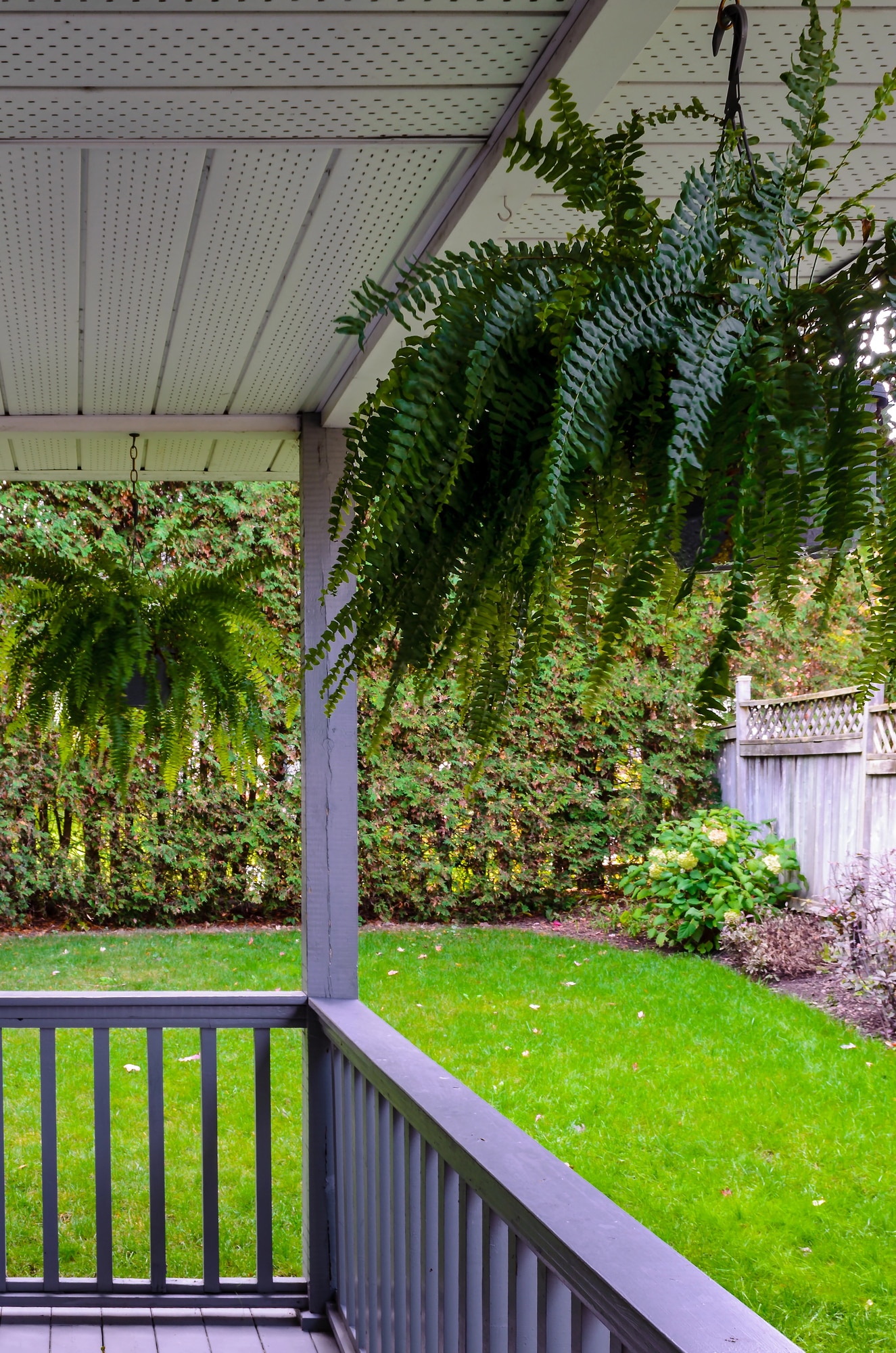
From the classic Boston fern to the silvery Japanese painted fern, these plants bring softness and motion to shady patios. Their finely textured fronds are ideal for filling hanging baskets or tall pots.
Care tip: Ferns love humidity. If your patio is dry, mist them regularly or place a saucer of water nearby to create a more humid microclimate.
4. Impatiens
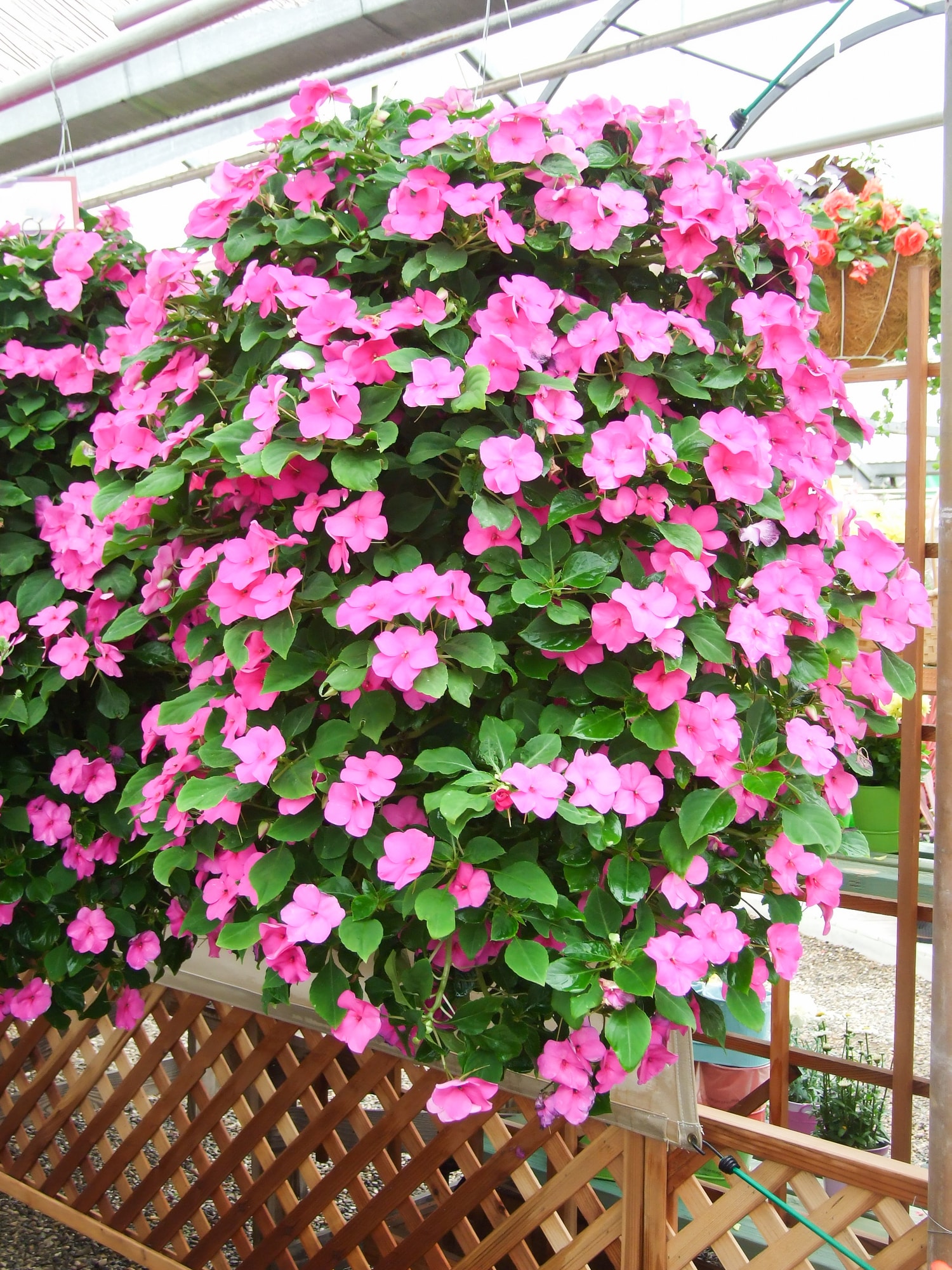
Impatiens are among the few flowers that bloom reliably in full shade. They’re cheerful, bright, and easy to grow, making them a go-to for window boxes and entryway pots.
Care tip: Keep the soil evenly moist but not soggy—impatiens are thirsty but don’t like sitting in standing water. Use a well-draining potting mix to prevent rot.
5. Begonias
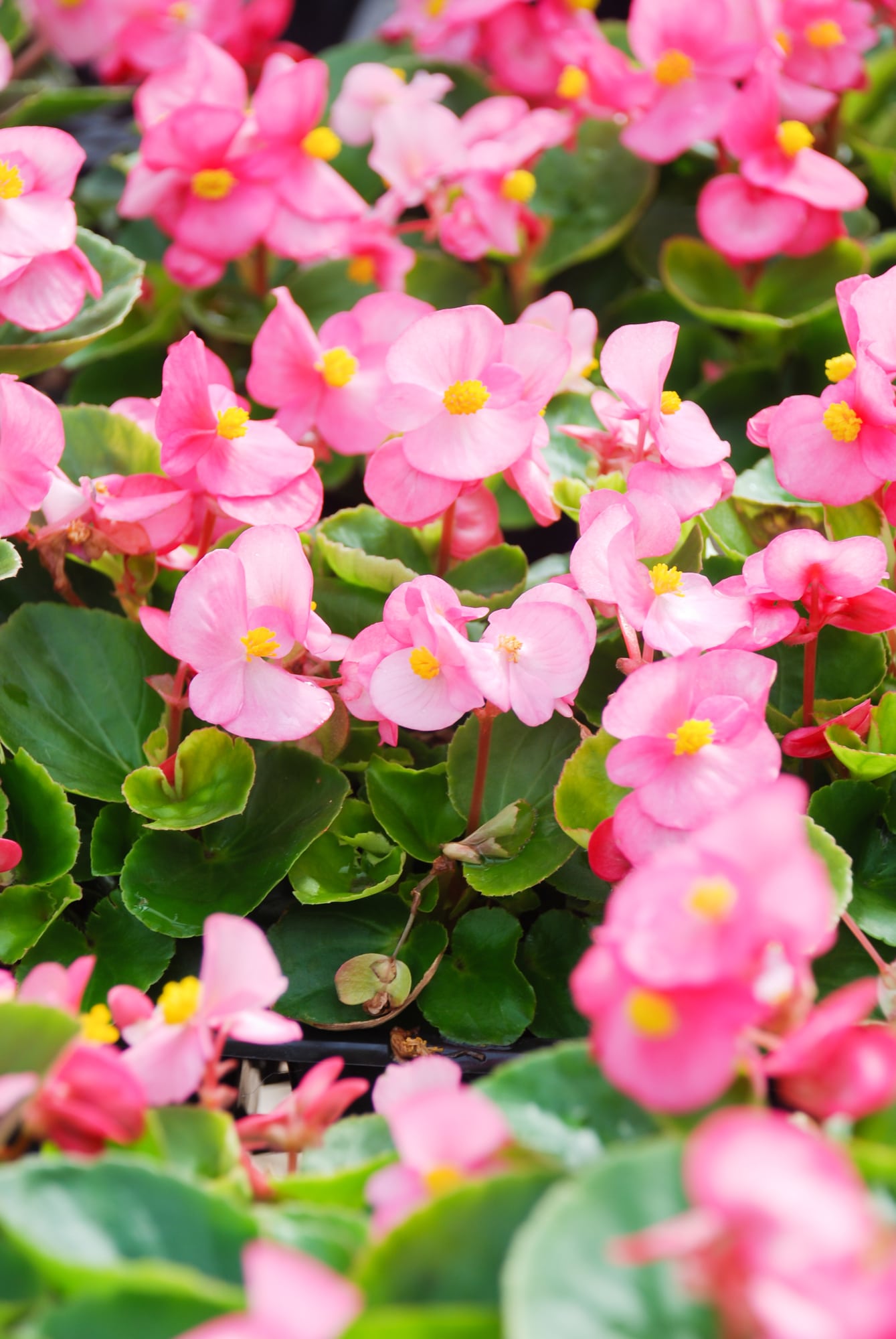
Begonias offer vibrant blooms in red, pink, coral, and white, plus shiny, eye-catching foliage. They’re a great way to add color to the darker corners of your patio or porch.
Interesting fact: Tuberous begonias bloom from summer into fall, making them a long-lasting option for seasonal container displays.
6. Caladiums
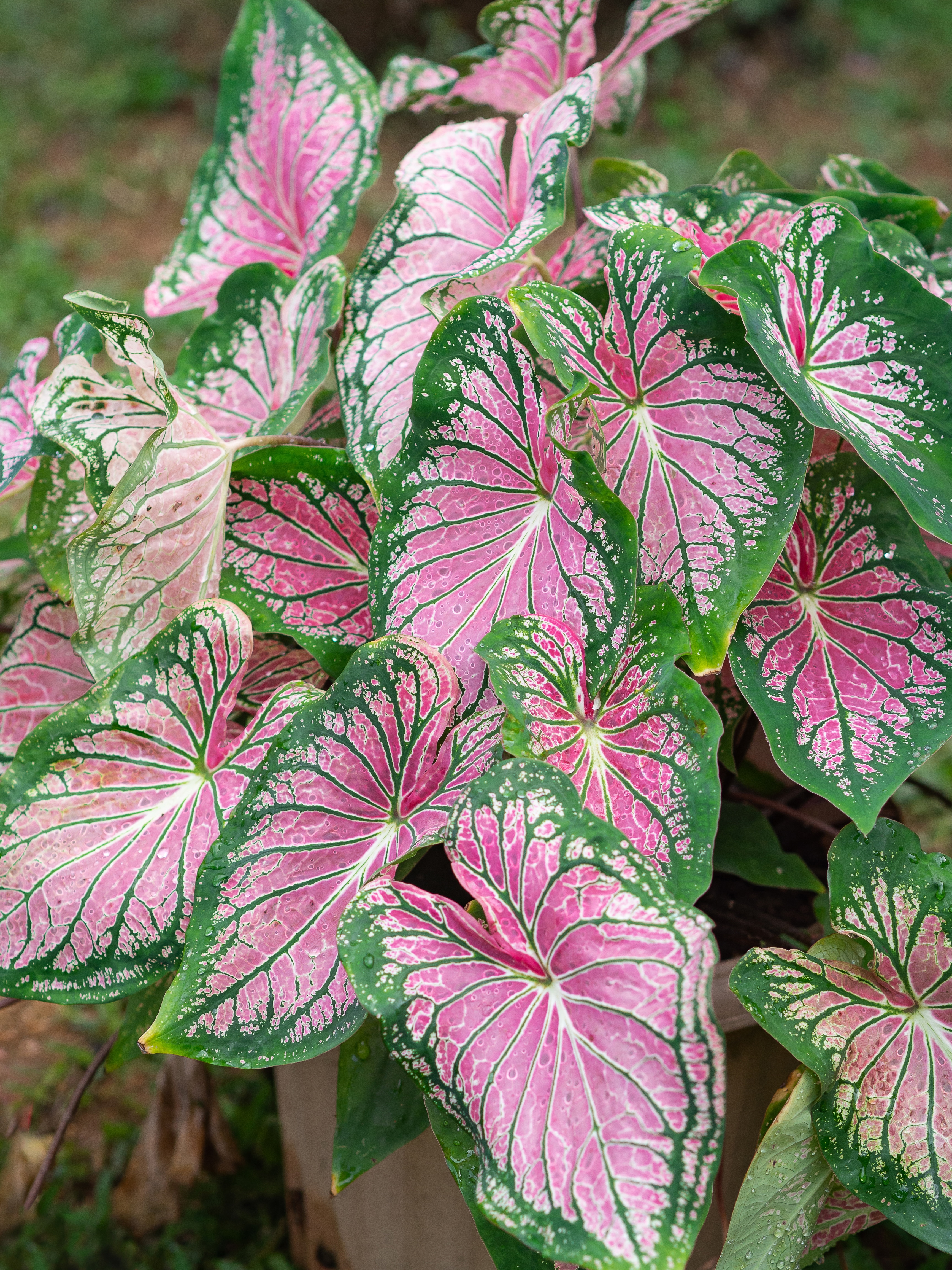
These bold beauties boast heart-shaped leaves splashed with pink, white, green, and red. They instantly bring a tropical vibe to your shade containers.
Care tip: Caladiums prefer warm soil and don’t tolerate cold nights. In cooler climates, start the bulbs indoors or wait until late spring to plant them outside.
7. Coleus
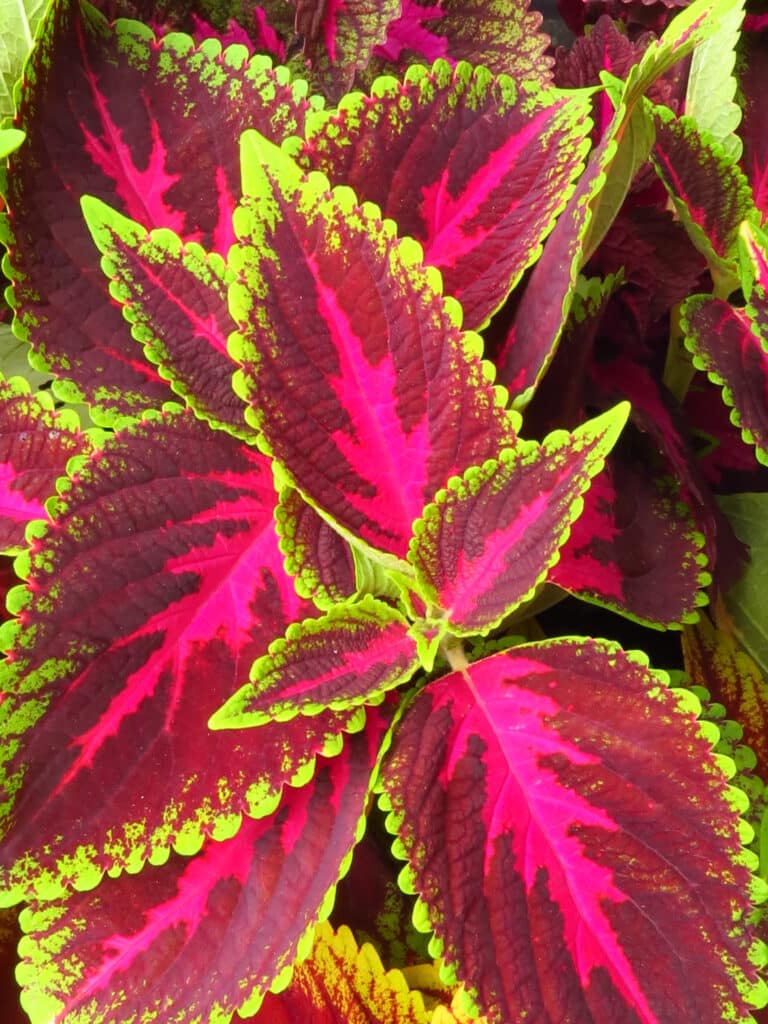
Coleus isn’t grown for its flowers—it’s all about the foliage. With striking color combinations like lime and magenta or burgundy and bronze, it adds dramatic flair to any container garden.
Interesting fact: Regular pinching helps coleus stay bushy and full. If you let it flower, it can get leggy—so snip off any flower spikes as soon as they appear.
8. Japanese Forest Grass (Hakonechloa)
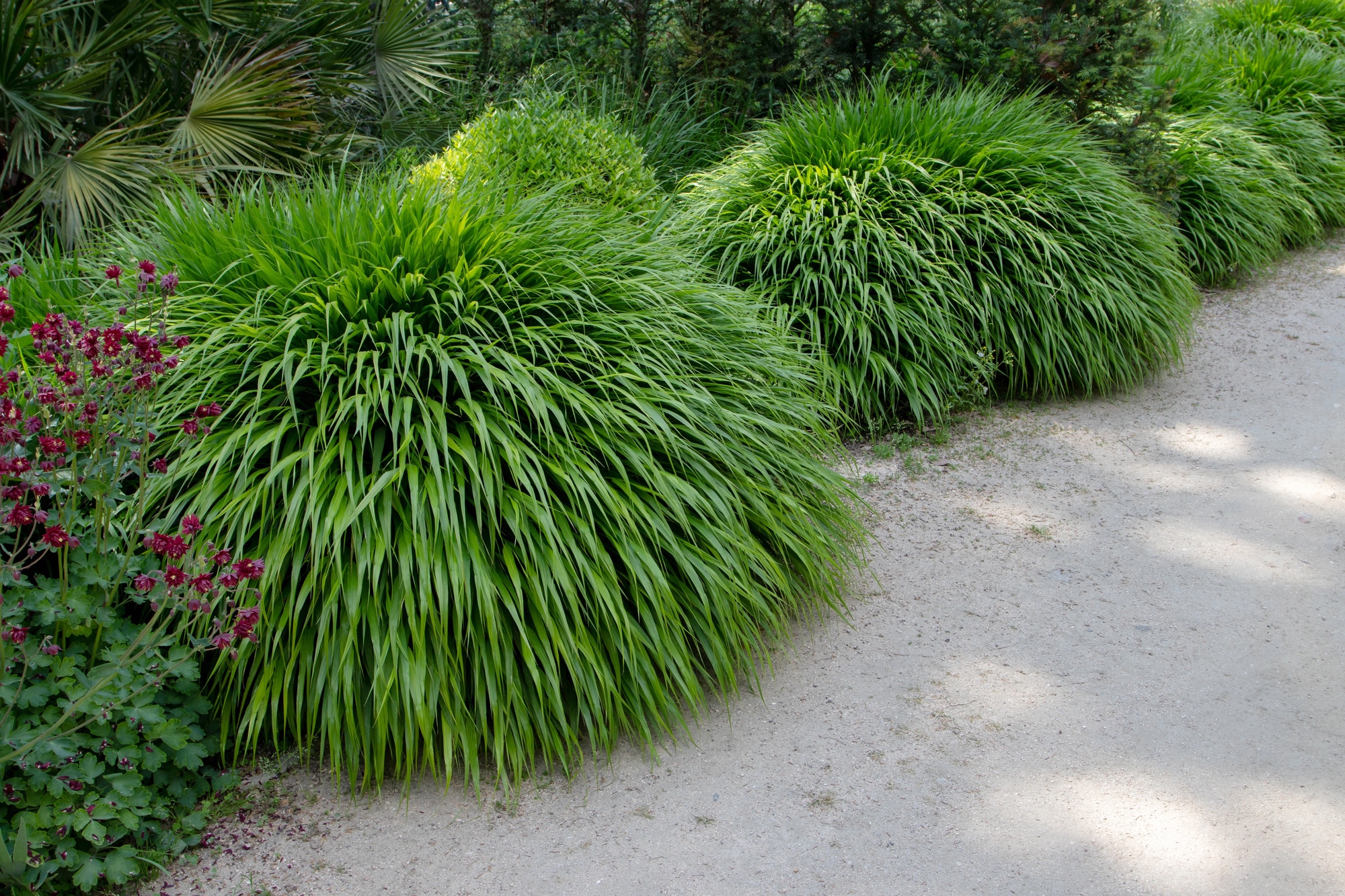
This graceful, flowing ornamental grass is prized for its bright green or golden blades that arch elegantly over pot edges. It’s perfect for adding softness and movement to shady corners.
Care tip: Japanese forest grass grows slowly, but it’s worth the wait. Give it consistent moisture and avoid letting it dry out completely in hot weather.
9. Lungwort (Pulmonaria)
Lungwort has speckled leaves that look like they’ve been dusted with silver, plus dainty early-spring flowers in shades of pink, blue, or purple. It adds quiet charm to a shade container and complements ferns and foamflowers well.
Interesting fact: Lungwort was once used medicinally to treat lung ailments—hence its name. While that use is outdated, the plant remains a favorite for its unique foliage.
10. Tiarella (Foamflower)
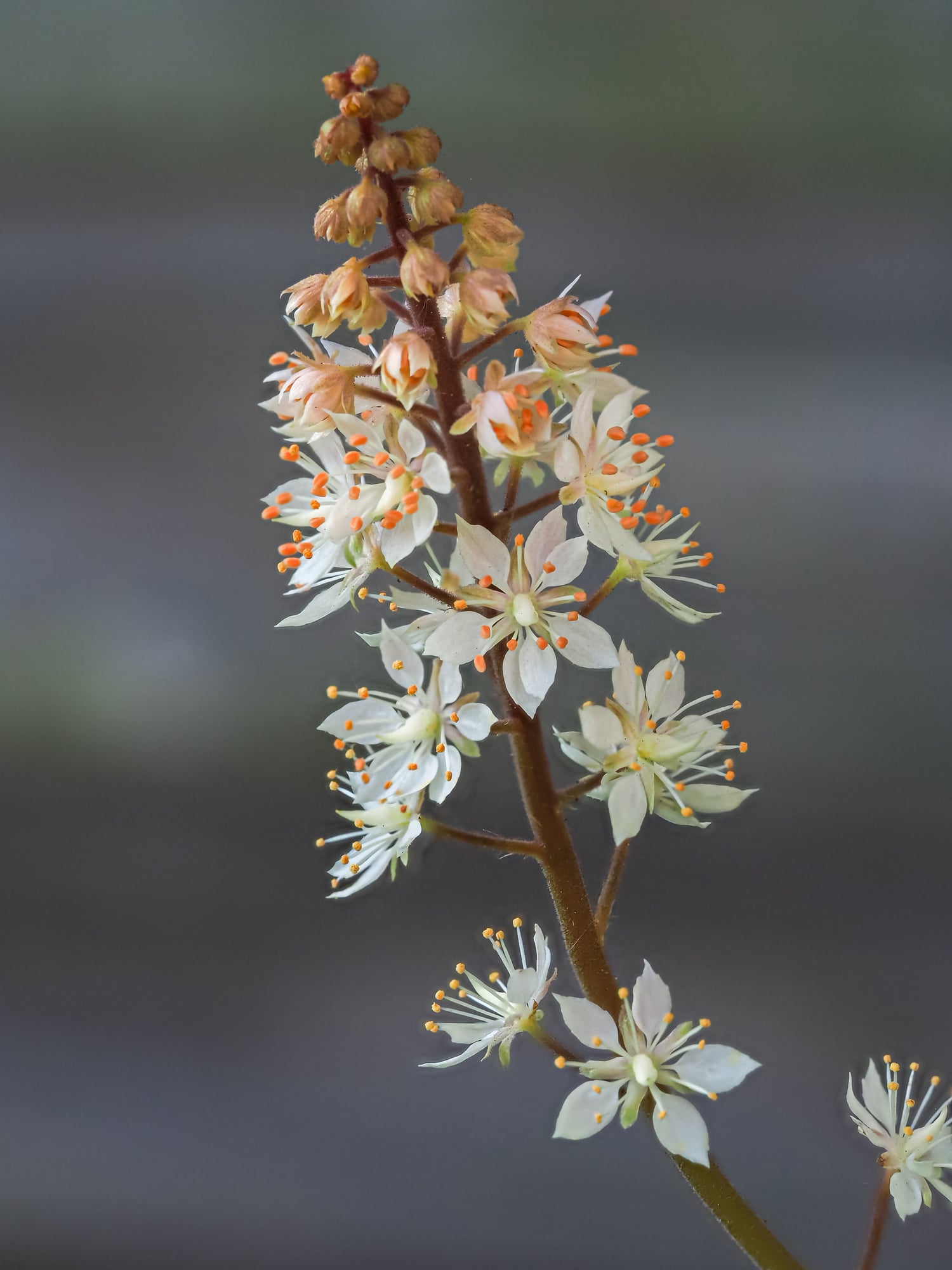
Foamflower offers deeply lobed, maple-like leaves and delicate, frothy blooms that rise above the foliage in early spring. It works beautifully as a filler or spiller in shady mixed containers.
Care tip: Tiarella spreads slowly and remains tidy, making it perfect for container arrangements that you want to keep looking neat and controlled throughout the season.
Tips for Growing Shade Plants in Containers
Once you’ve selected your plants, it’s essential to set them up for success. Here are a few key tips to help your shade container garden thrive:
- Choose the right containers. Ensure your pots have good drainage holes, and consider using lightweight plastic or resin pots if you plan to move them frequently. Terracotta is beautiful but dries out quickly.
- Use high-quality potting mix. Don’t use garden soil in containers—it compacts and drains poorly. Opt for a potting mix designed for containers, and consider adding compost or peat moss for moisture retention.
- Water consistently. Even in the shade, containers can dry out faster than in-ground gardens. Check soil moisture regularly, especially during hot spells, and water thoroughly when the top inch of the soil feels dry.
- Fertilize lightly. Use a balanced, slow-release fertilizer to feed your plants throughout the growing season. Too much fertilizer can cause leggy growth in shade plants.
- Prune and deadhead. Remove faded blooms and yellowing leaves to keep containers tidy and encourage new growth. Don’t be afraid to trim back overgrown plants for shape and airflow.
Styling Your Shady Patio
Creating a beautiful shade container garden isn’t just about the plants—it’s also about how you arrange them. Here are some styling tips to make your small patio feel lush and intentional:
- Vary the heights. Use plant stands, crates, or hanging baskets to add dimension to your space.
- Group containers together. Clustering pots creates a more cohesive, abundant look.
- Layer textures and colors. Combine bold foliage (like caladiums) with finer textures (like ferns or grasses).
- Add cozy elements. A bistro table, string lights, and a throw pillow can transform your shady patio into a peaceful retreat.
Shade doesn’t have to be a limitation—it can be a design opportunity. With the right plants, containers, and styling, even the smallest, shadiest corner of your outdoor space can become a refreshing, plant-filled hideaway.
Whether you’re layering ferns and hostas or experimenting with colorful coleus and caladiums, there’s no shortage of beauty to be found in a well-curated shade container garden.
So go ahead—bring home a few new plants, fill up those empty pots, and give your patio the cozy, green refresh it deserves. And if you do, I’d love to see it! Tag me @amongthelilacshome on Instagram!
