How to Care for Mint in Pots: (The Secret to Full, Lush Plants)
Mint is one of those plants that quietly becomes indispensable. You plant it once — perhaps tucked into a small pot near the kitchen door — and suddenly it weaves itself into your daily rituals. A sprig in your iced tea.
A handful steeped after dinner. A few bright leaves scattered over fruit. It is generous, fragrant, and almost impossibly easy to grow.
And yet, mint has a reputation.
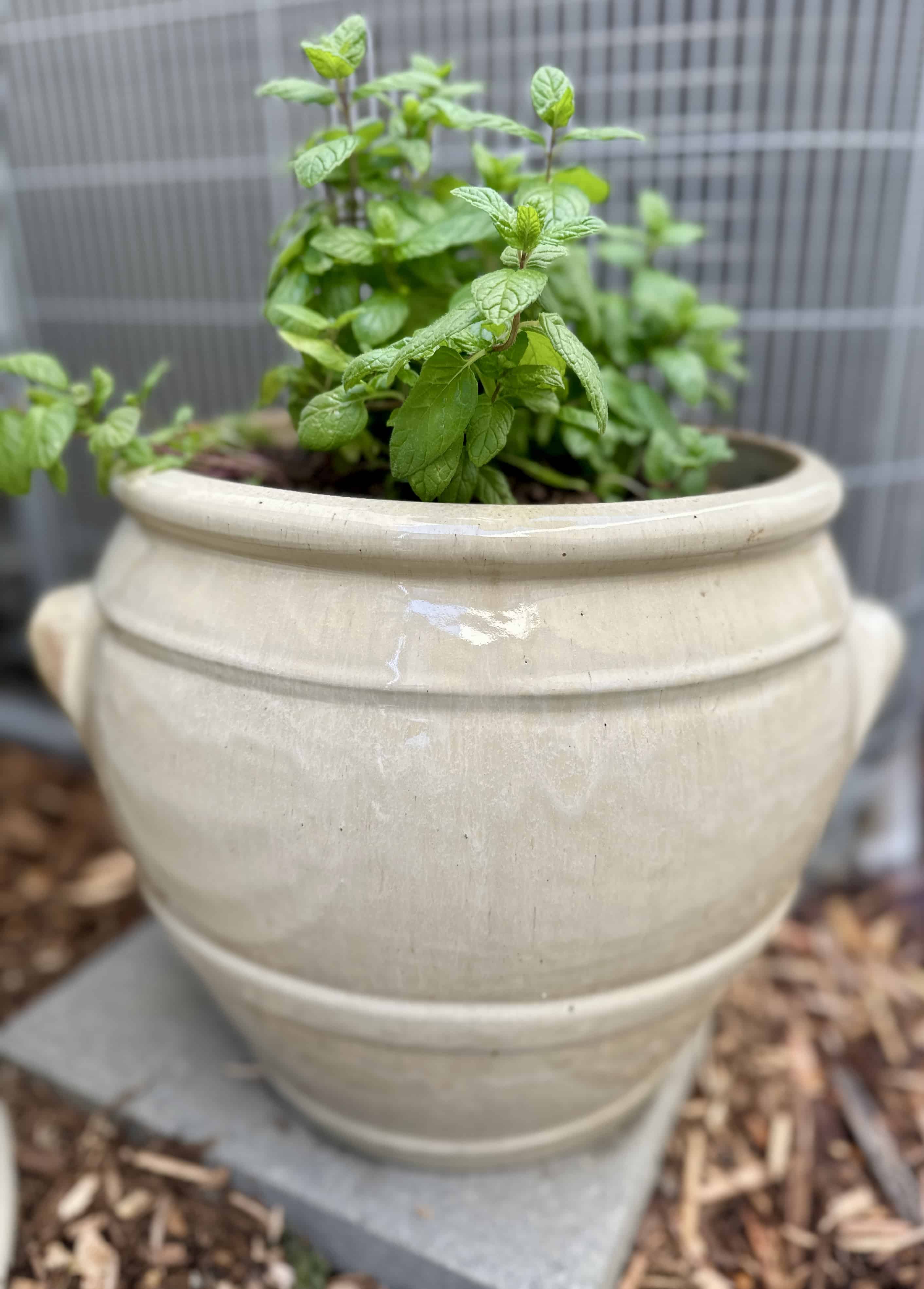
Gardeners warn that it spreads too eagerly. That it takes over beds. That it must be contained. All of that is true — but understood properly, mint’s vigor is part of its charm. It is resilient. Forgiving. Willing.
When you learn how it grows and what it prefers, mint becomes one of the most rewarding herbs you can keep — especially in a small space.
Understanding How Mint Grows
Mint spreads through underground stems called rhizomes. These runners travel just beneath the soil’s surface, sending up new shoots as they go. In open garden beds, this allows mint to form lush, dense patches quickly.
In a small yard or patio garden, that enthusiasm simply needs direction.
Mint thrives in mild temperatures and rebounds quickly from harvesting. It is wonderfully beginner-friendly — rarely fussy, rarely dramatic. Even if you forget to water it once or twice, it forgives you.
This resilience is what makes mint such a beautiful starting point for a kitchen garden.
Where to Plant Mint
Mint prefers partial sun — about four to six hours of light each day is ideal. In cooler climates, it tolerates full sun easily. In warmer regions, a bit of afternoon shade keeps the leaves tender and bright.
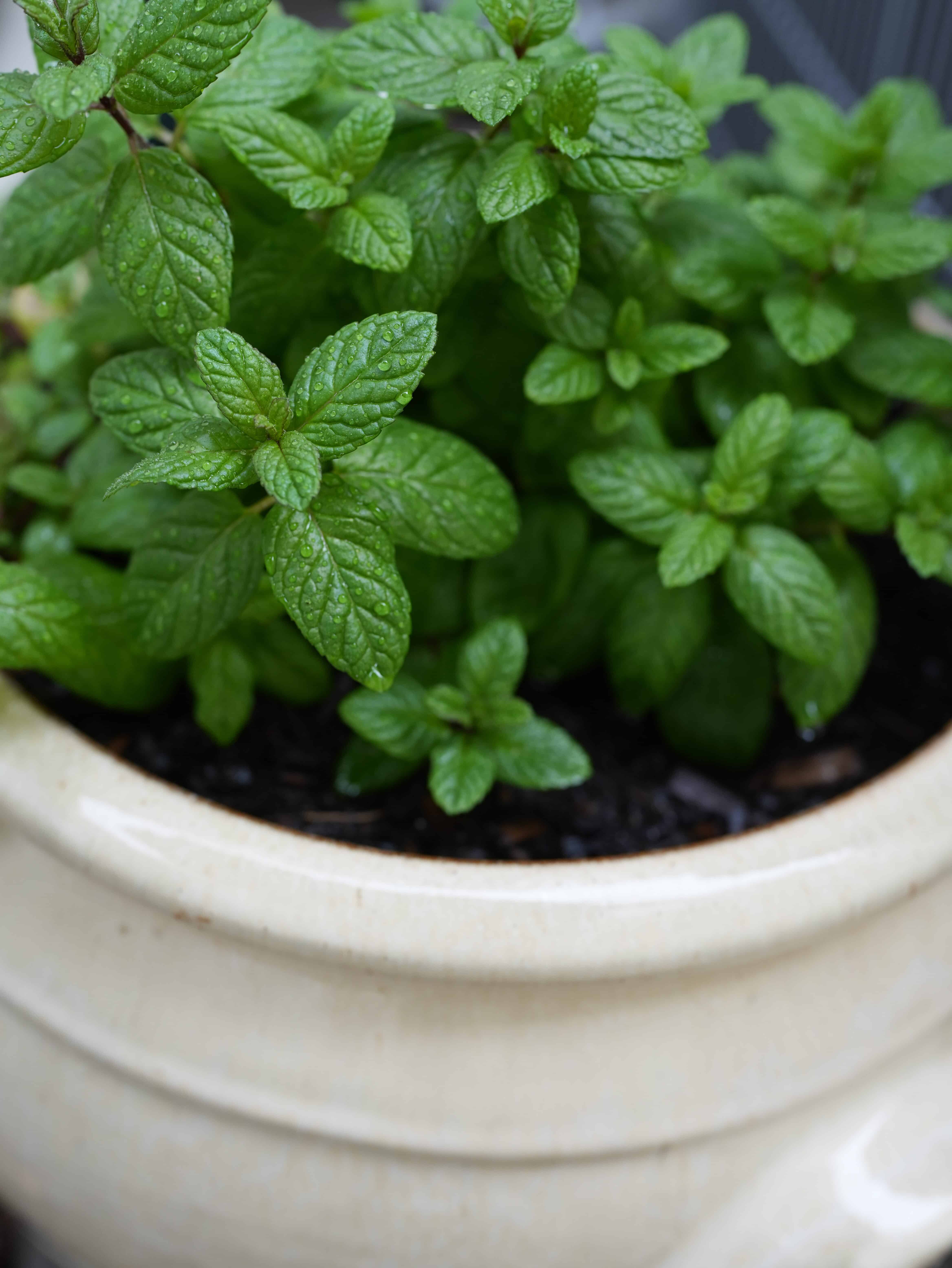
If you are gardening in a small side yard, balcony, or patio (as so many of us are), containers are your best friend.
Planting mint in a pot accomplishes two things:
- It prevents spreading.
- It keeps the herb close to your kitchen.
There is something lovely about stepping outside with scissors in hand, clipping what you need, and returning indoors within seconds. A simple terra cotta pot, a woven basket-style planter, or even a classic galvanized container fits beautifully into a plant-inspired home aesthetic.
Mint does not require an elaborate setup — only thoughtful placement.
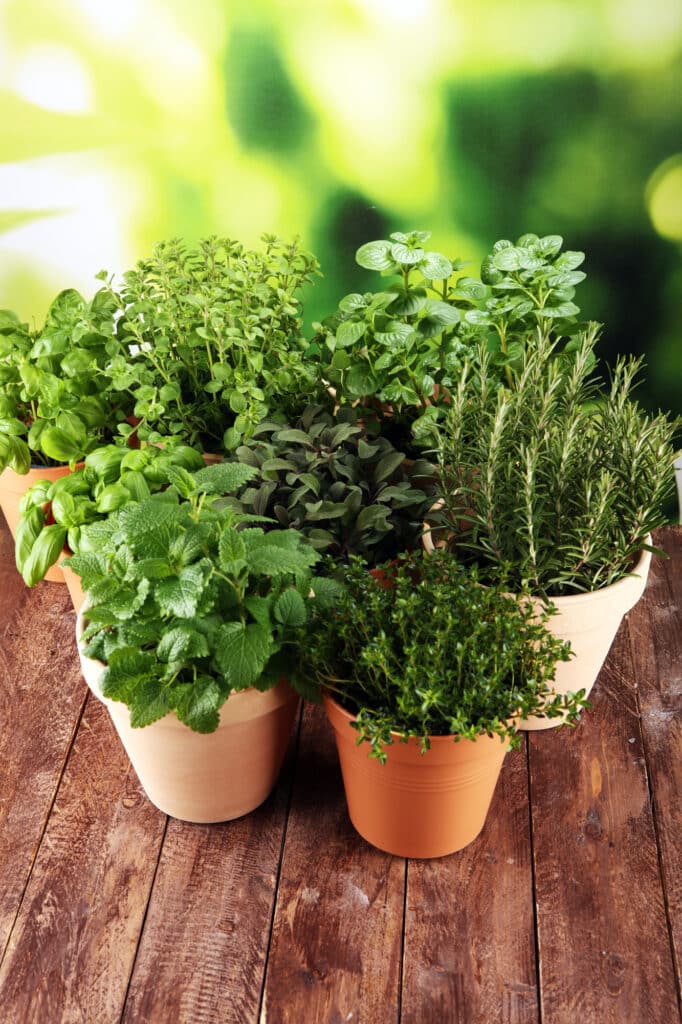
Soil & Water: Keeping It Lush
Mint prefers well-draining soil enriched with compost. It does not need specialty blends or constant feeding. A basic high-quality potting mix works beautifully in containers.
What it does appreciate is consistent moisture.
The soil should feel lightly damp, not soggy. Allow the top inch to dry slightly between waterings, but avoid letting the plant wilt repeatedly. If the leaves begin to droop in the heat, a deep watering will usually restore them within hours.
Yellowing leaves often signal overwatering rather than neglect. Mint likes moisture — not heavy, compacted soil.
If you remember this one principle, you will rarely struggle.
Pruning Mint for Fuller Growth
Mint becomes fuller the more you harvest it.
Pinch or snip stems just above a leaf node (where two leaves meet the stem). This encourages the plant to branch outward rather than stretch upward. Frequent harvesting prevents legginess and keeps the plant compact and lush.
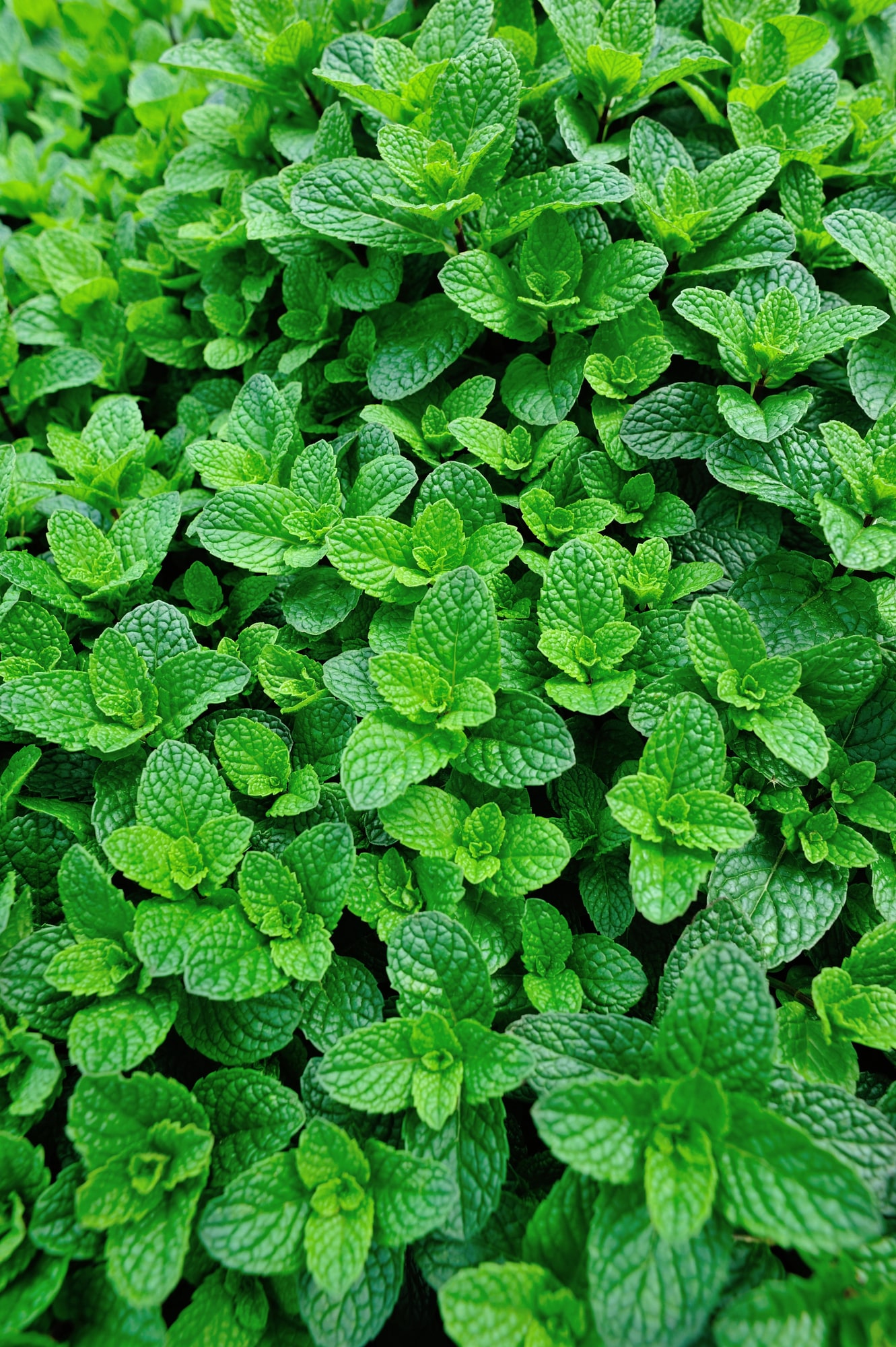
If your mint begins to flower, the leaves may become slightly less flavorful. You can simply pinch off flower buds to keep the taste strong and bright.
Think of harvesting not as taking from the plant, but shaping it.
Growing Mint Indoors
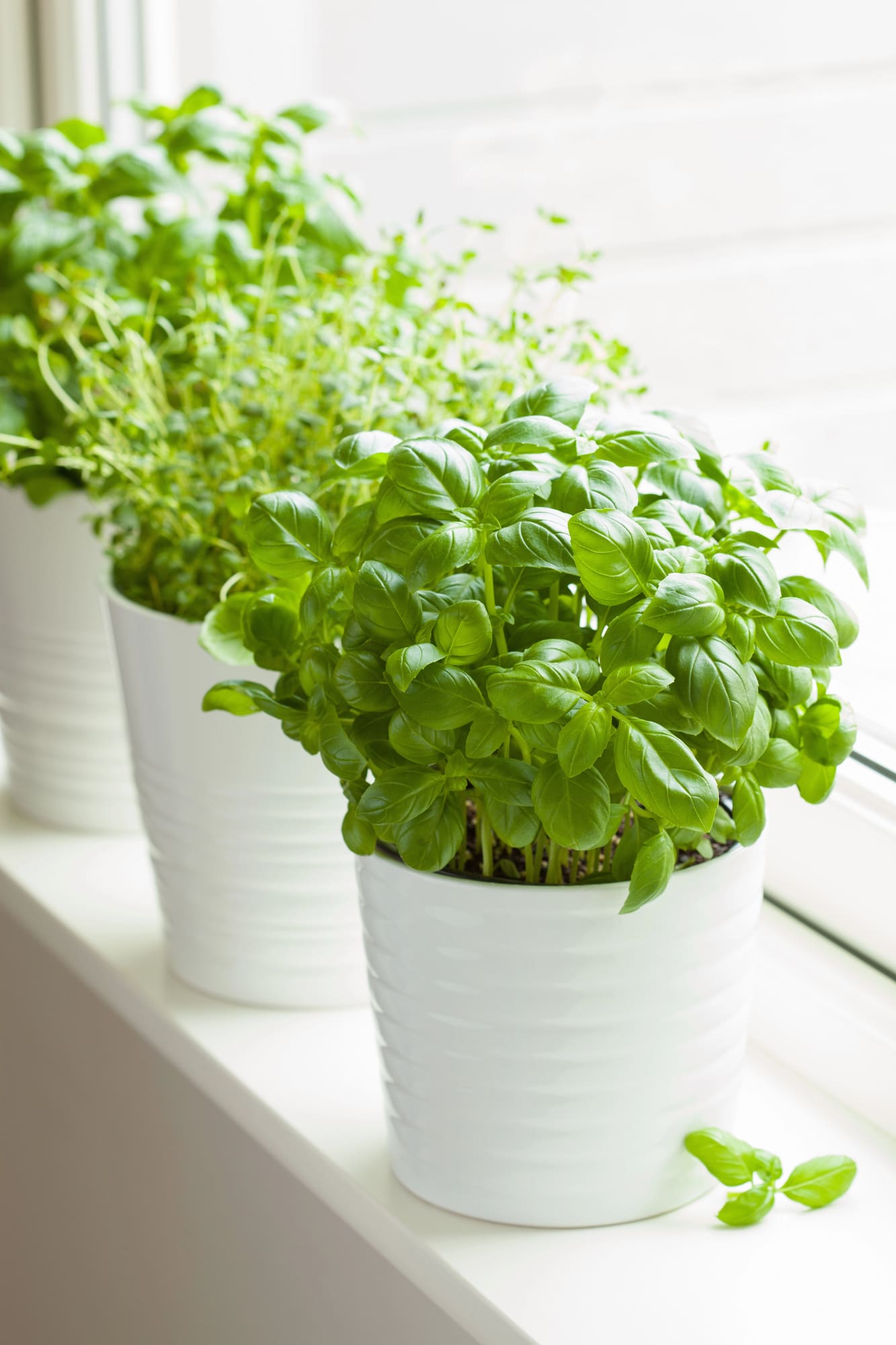
Mint grows beautifully indoors when given adequate light. A bright kitchen window works well, particularly one that receives morning sun.
Rotate the pot every few days to encourage even growth, and keep it away from direct heat vents or dry indoor air. If your home runs warm, occasional misting can help.
Indoor mint feels especially fitting in a herb-filled kitchen — a living ingredient rather than something stored in a drawer.
Common Mint Problems (and Gentle Fixes)
Mint is remarkably low-maintenance, but a few issues may arise:
- Leggy stems: Not enough sunlight. Move the plant to a brighter location.
- Wilting in high heat: Increase watering frequency.
- Yellow leaves: Often caused by overwatering or poor drainage.
- Small pests like aphids: Rinse gently with water or treat with diluted neem oil.
Most concerns resolve quickly with small adjustments. Mint wants to grow.
Harvesting for Best Flavor
The best time to harvest mint is in the morning, after the dew has dried but before the heat intensifies. This is when essential oils are most concentrated.
You can:
- Use leaves immediately.
- Store stems upright in a glass of water in the refrigerator.
- Dry leaves for tea.
- Freeze them into ice cubes for drinks.
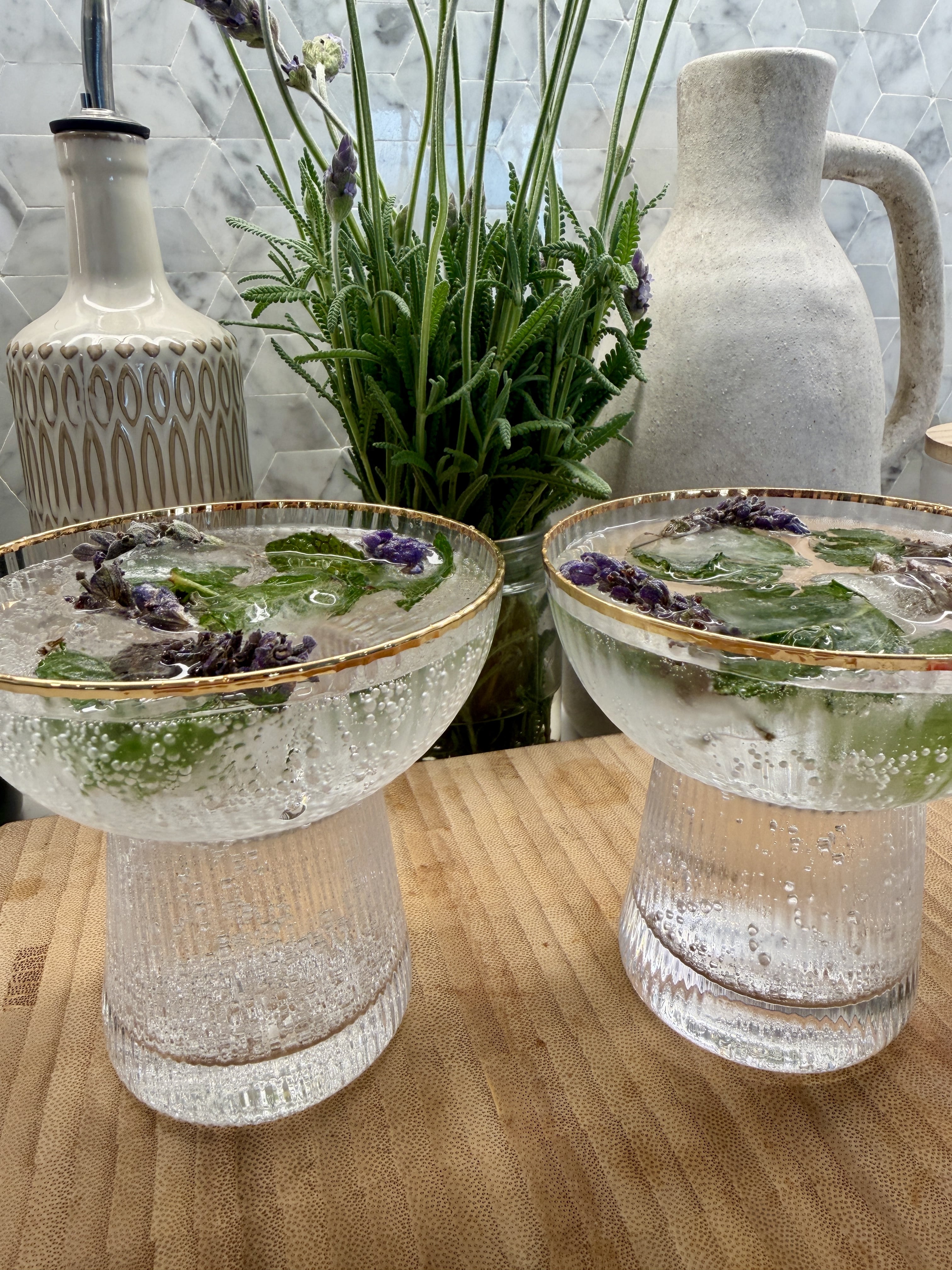
Frequent harvesting keeps the plant productive and flavorful all season.
Beautiful Varieties to Grow
Not all mint tastes the same. A few favorites:
Spearmint – Mild and classic, ideal for tea and fresh garnishes.
Peppermint – Stronger and cooling, wonderful in desserts.
Chocolate Mint – Subtle cocoa undertones, lovely for syrups and iced drinks.
Apple Mint – Soft, lightly fruity, with slightly fuzzy leaves.
Each variety brings its own personality to the garden.

Bringing Mint Into Everyday Life
Mint bridges the space between garden and home.
A few ways to use it beautifully:
- Steep fresh mint tea after dinner.
- Add sprigs to fruit bowls or salads.
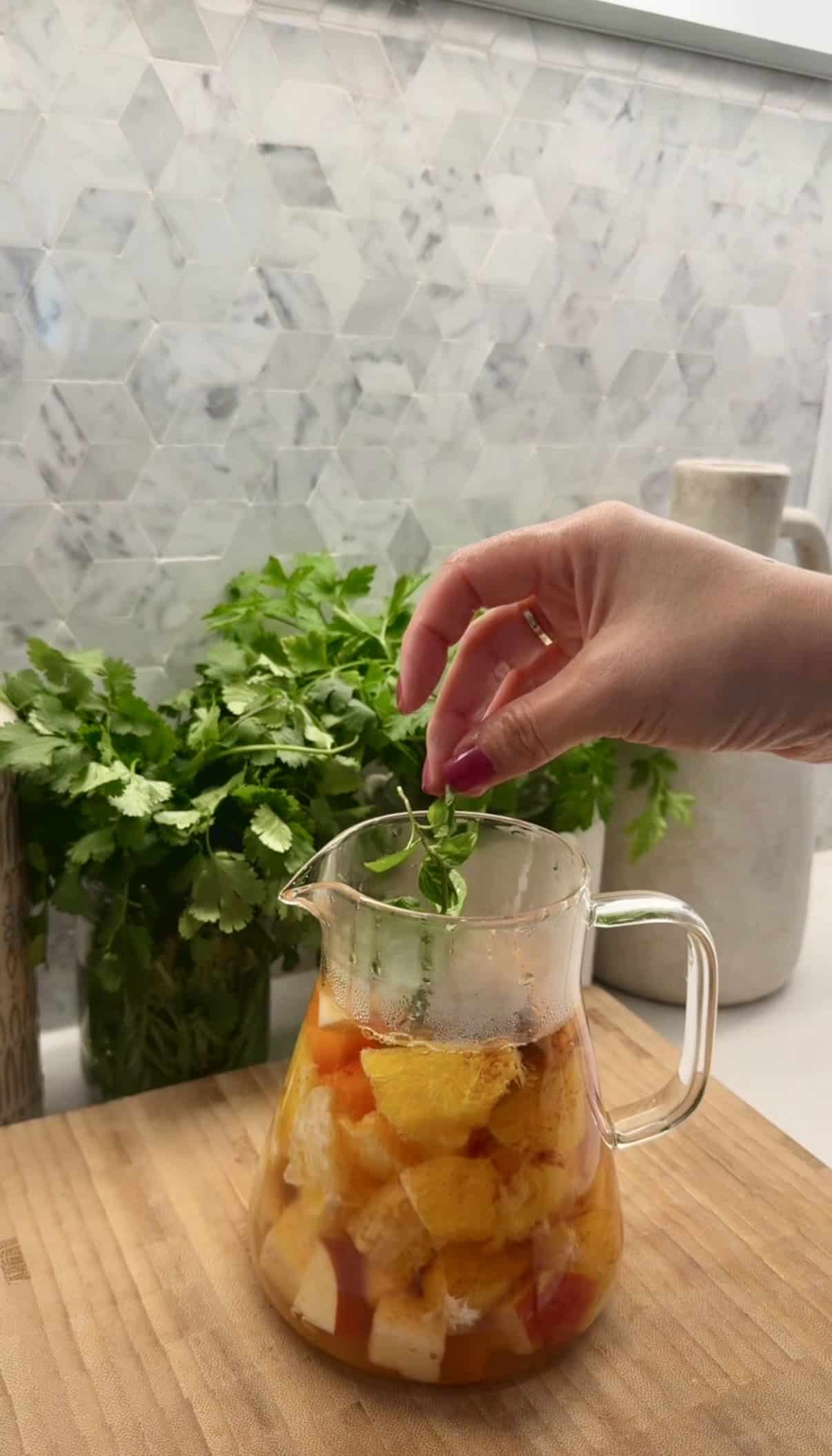
- Infuse water or lemonade.
- Blend into simple syrup.
- Freeze with berries in ice molds for drinks.
- Tuck stems into small bud vases for the table.
It is not merely an herb — it is a detail.
Mint asks very little of you and gives generously in return. It thrives in containers, flourishes with regular harvesting, and quietly enhances both kitchen and garden.
In a small space especially, mint feels abundant. It softens edges. It perfumes the air. It makes ordinary moments feel slightly more considered.
And once you grow it, you may find it becomes part of your rhythm — clipped fresh, carried inside, and used without hesitation.
That is the beauty of mint.
