40 Gardening Tips to Help You Grow Your Best Garden Yet
A beautiful garden rarely happens all at once. Most thriving gardens are the result of small habits practiced over time—paying attention to sunlight, choosing the right plants, watering correctly, and learning what works best in your particular space.
Whether you’re growing herbs outside the kitchen door, tending a small vegetable bed, or styling a patio with succulents and flowers, gardening has a way of making a home feel and look more alive.
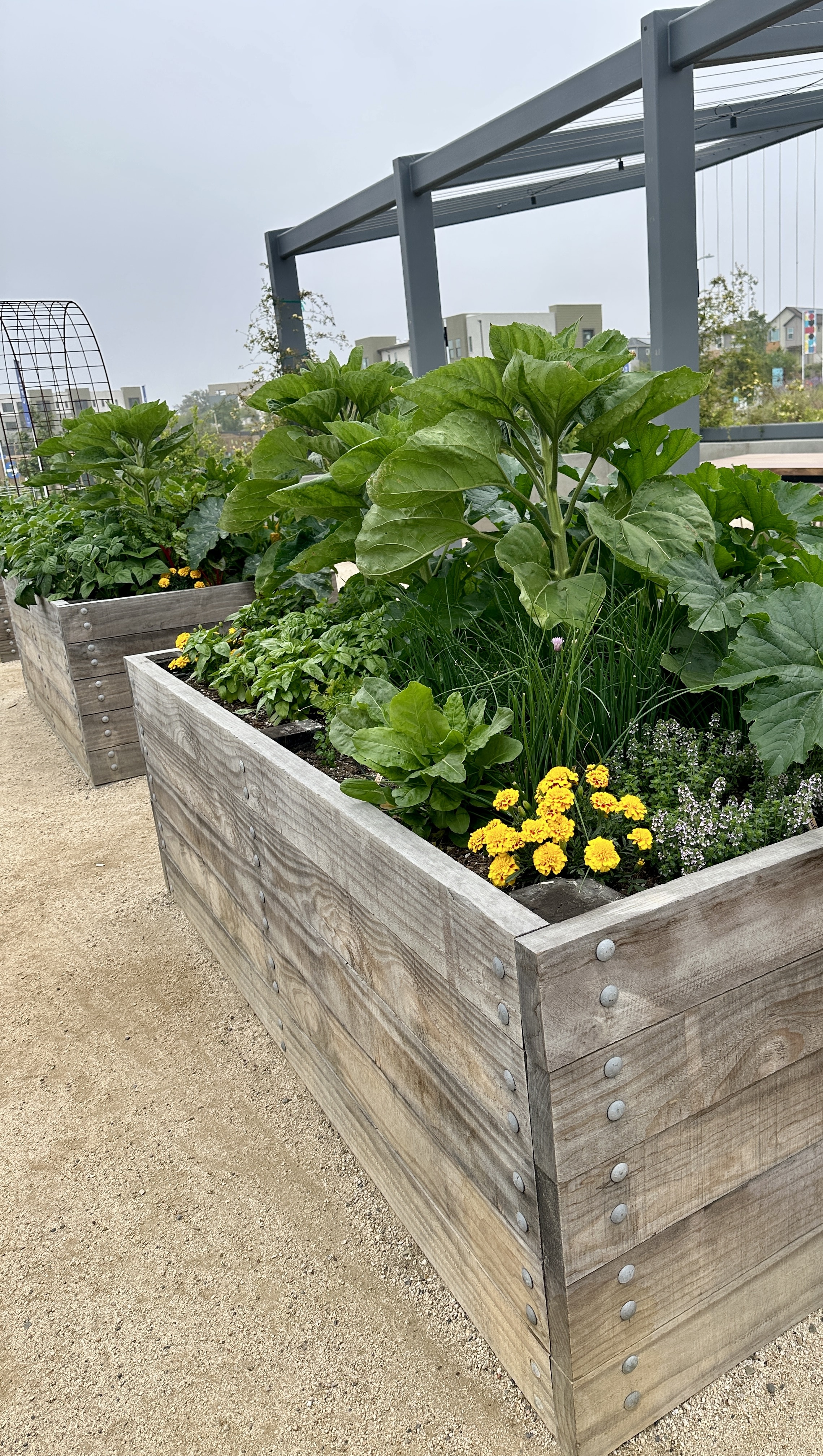
Even the smallest outdoor space can become something special with a little care and creativity.
Over the years I’ve discovered that successful gardens don’t have to be complicated and gardening doesn’t have to be so hard. A few simple strategies can make the difference between struggling plants and a garden that feels lush, productive, and enjoyable to spend time in.
Below are forty practical gardening tips that can help you grow a healthier, more beautiful garden—whether you’re planting vegetables, herbs, flowers, or container gardens in a small space.
Vegetable Garden Tips
Growing vegetables at home is one of the most satisfying parts of gardening. Even a few containers or a small raised bed can produce a surprising amount of fresh food throughout the season.
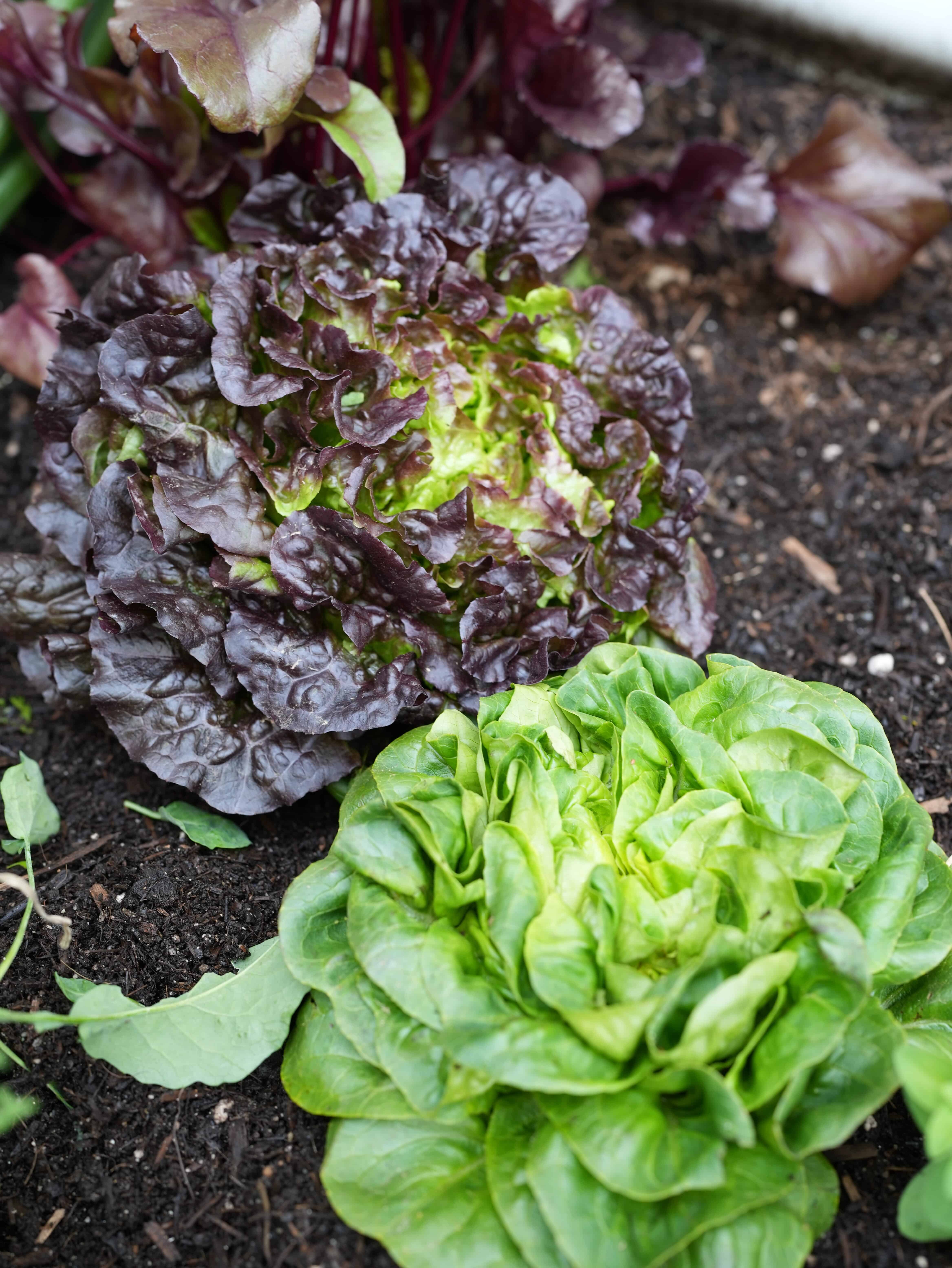
1. Start with vegetables you actually enjoy eating.
It can be tempting to grow everything you see at the nursery, but the most rewarding gardens focus on the foods you already love to cook with. If you frequently use herbs, tomatoes, or lettuce in your meals, those are excellent plants to start with.
2. Choose the sunniest spot available.
Most vegetables thrive in full sun, which usually means at least six hours of direct sunlight each day. A bright location helps plants grow stronger and produce more abundant harvests.
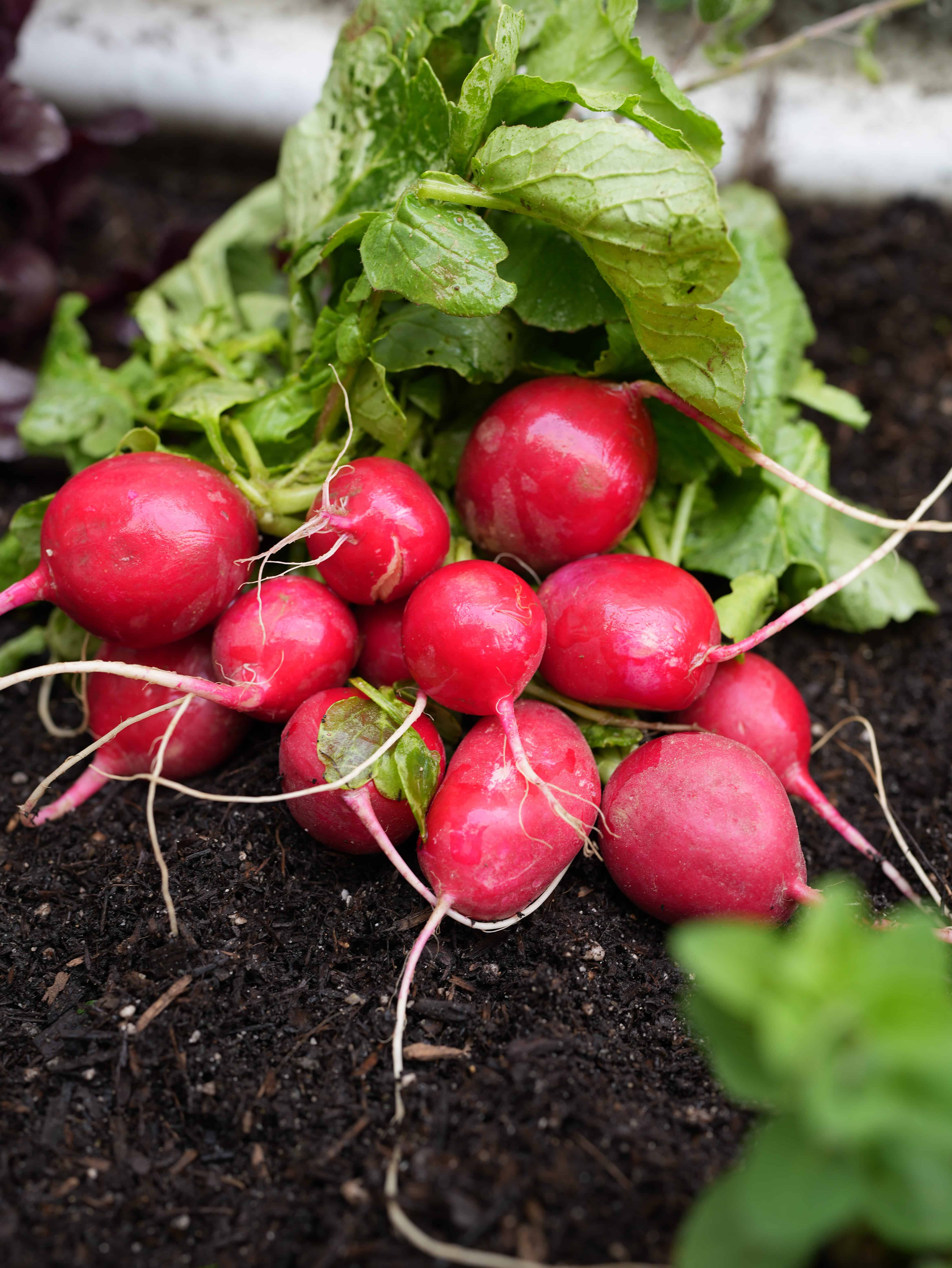
3. Improve your soil with compost.
Healthy soil is the foundation of any productive vegetable garden. Adding compost helps improve soil structure, supports beneficial organisms, and provides nutrients that plants need to grow well.
4. Water deeply rather than lightly.
Instead of watering a little bit every day, it’s often better to water thoroughly so the moisture reaches deeper into the soil. This encourages plants to develop stronger root systems.
Water regularly in the summer, especially during heat waves. Dry soil is the worst thing that can happen to your young vegetable garden.
5. Use mulch to protect your soil.
A layer of mulch helps retain moisture, reduce weeds, and keep soil temperatures more consistent during warm weather.
6. Watch for pests early and treat them quickly.
Take a few minutes every few days to look closely at the leaves and stems for signs of pests such as aphids, caterpillars, or tiny holes in the foliage. Catching problems early makes them much easier to manage.
Many gardeners use natural pest control methods like neem oil, which helps deter common garden insects without harsh chemicals.
A gentle spray in the evening can help protect plants while keeping your garden healthy and productive.
7. Harvest regularly.
Many vegetables—especially herbs, lettuce, and tomatoes—produce more when they are harvested frequently. Picking regularly encourages plants to keep growing.
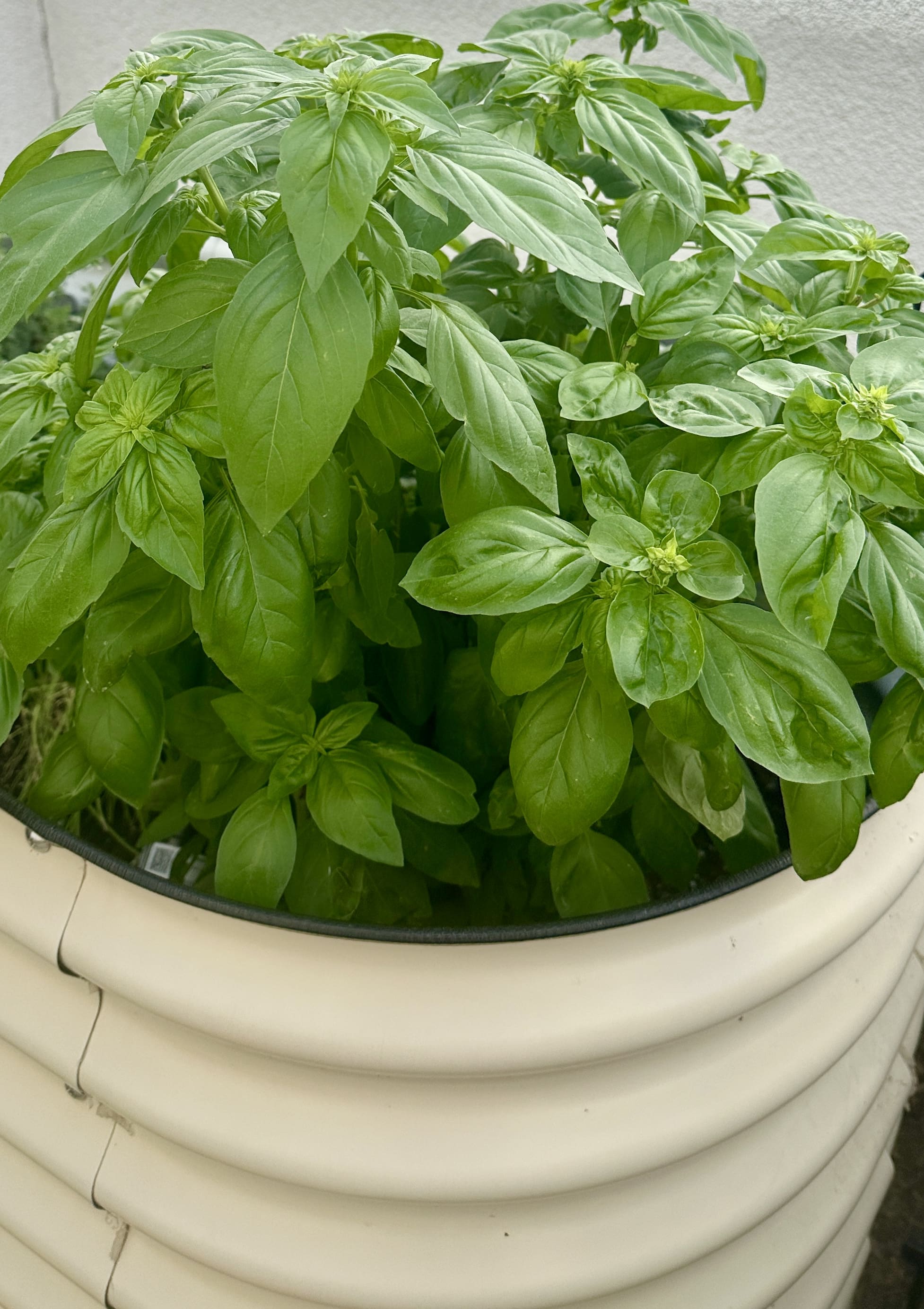
8. Start with easy crops.
Beginner-friendly vegetables such as lettuce, radishes, green beans, and zucchini often grow quickly and provide early success. Herbs are also the perfect plants to start with – these are the easiest herbs.
Flower Garden Tips
Flowers add color, fragrance, and movement to a garden. A thoughtful flower bed can also attract bees, butterflies, and other beneficial pollinators.
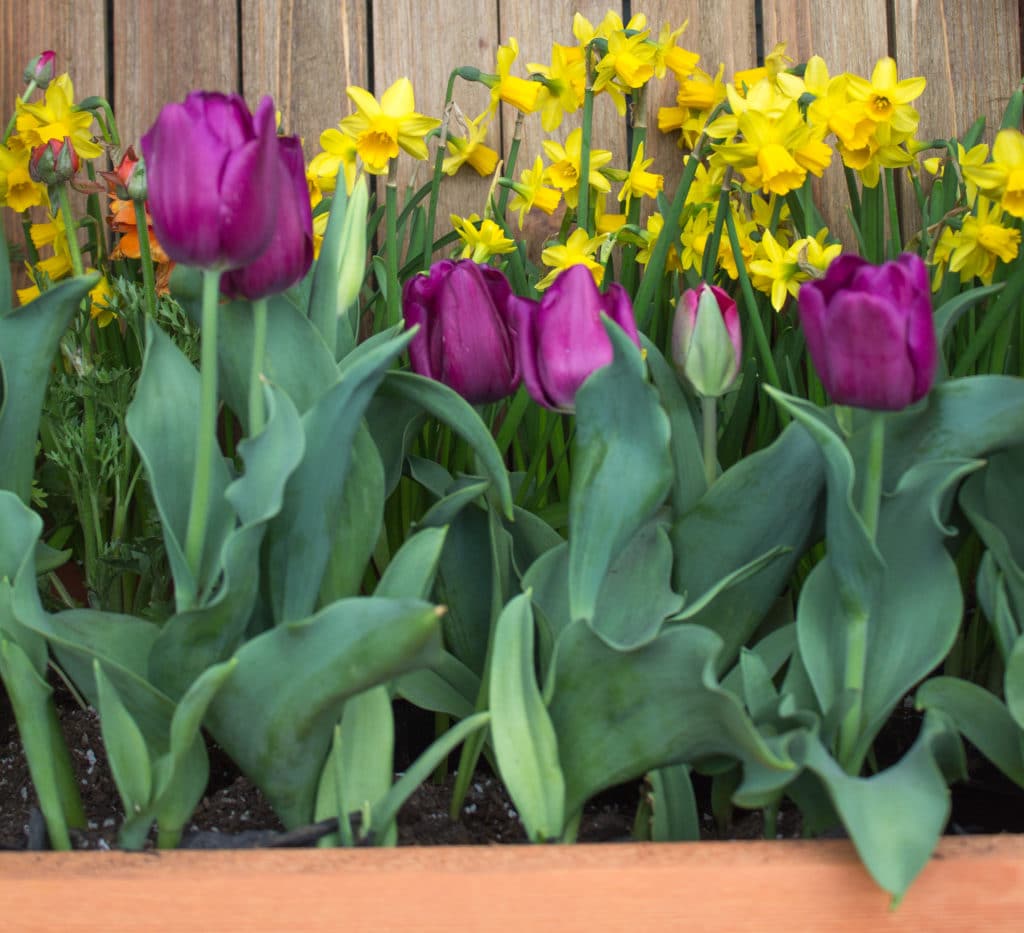
9. Plant flowers in groups rather than individually.
Clusters of the same flower variety create a fuller, more natural-looking display than scattered single plants. Try planting small groupings of flowers such as lavender, coneflowers, zinnias, daisies, or salvia together to create noticeable bursts of color throughout your garden.
Planting three to five of the same plant in one area often creates a more abundant effect than spacing individual plants throughout the bed.
10. Mix different heights.
Combining taller plants in the back with shorter flowers in front helps create a layered garden that feels lush and balanced.
11. Deadhead spent blooms.
Removing faded flowers encourages many plants to produce new blooms instead of directing energy into seed production. This is especially true for flowers like petunias.
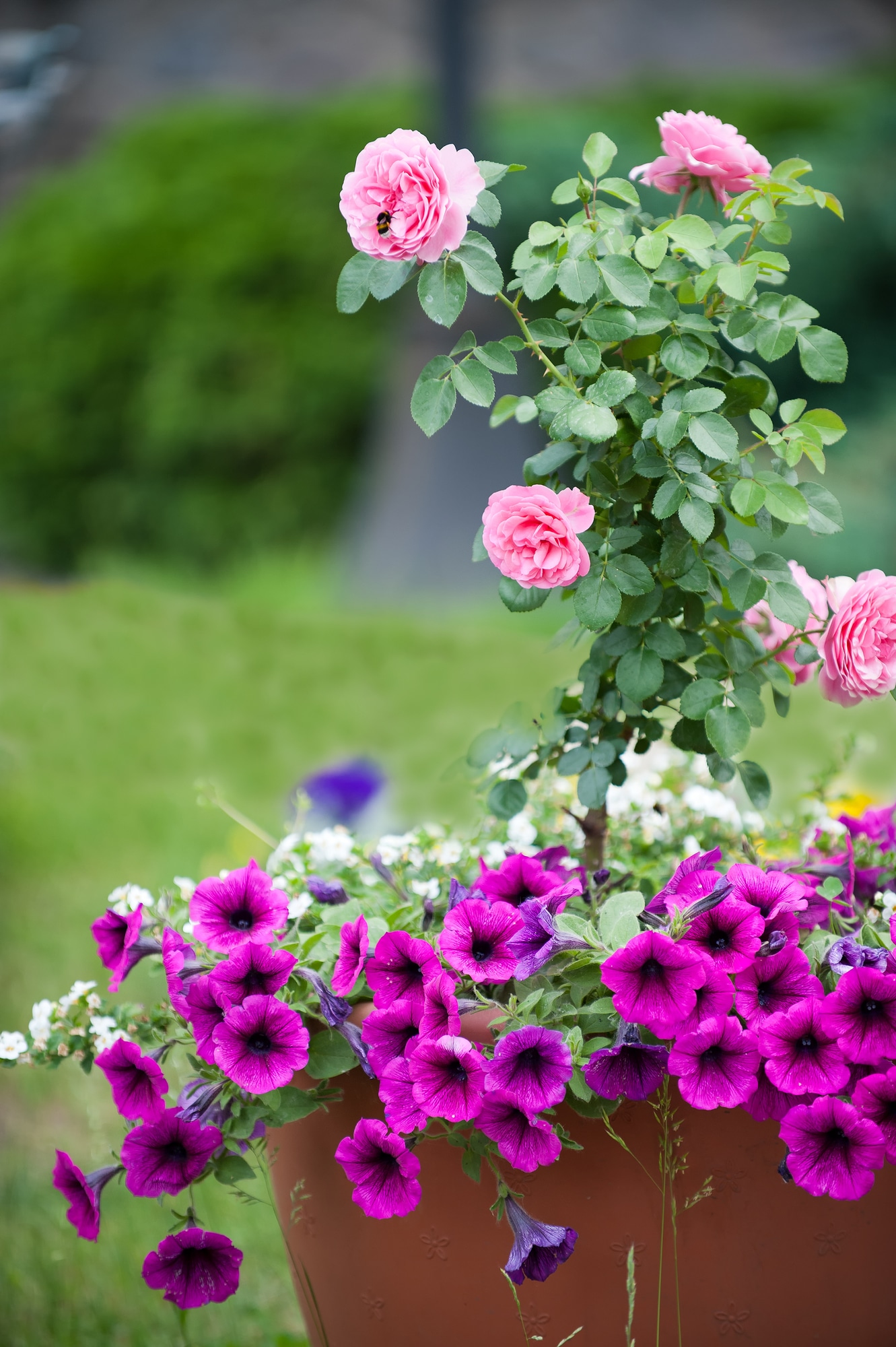
12. Choose flowers that bloom at different times.
Selecting a mix of early, mid-season, and late bloomers ensures that something is always flowering in your garden from spring through fall.
13. Plant flowers where you’ll see them often.
Consider adding flowers near walkways, patios, or entryways where their color and fragrance can be enjoyed every day. Enjoy them to the fullest!
14. Include pollinator-friendly plants.
Lavender, coneflowers, and salvia are just a few plants that attract bees and butterflies, helping support a healthy garden ecosystem. Even succulents produce flower blooms that attract hummingbirds.
15. Water in the morning.
Watering early in the day allows the soil to soak up moisture before the heat of the sun evaporates it. This creates a stronger root system and healthier stems and leaves. Watering while the sun is already out is a waste of water.
16. Cut flowers for indoor arrangements.
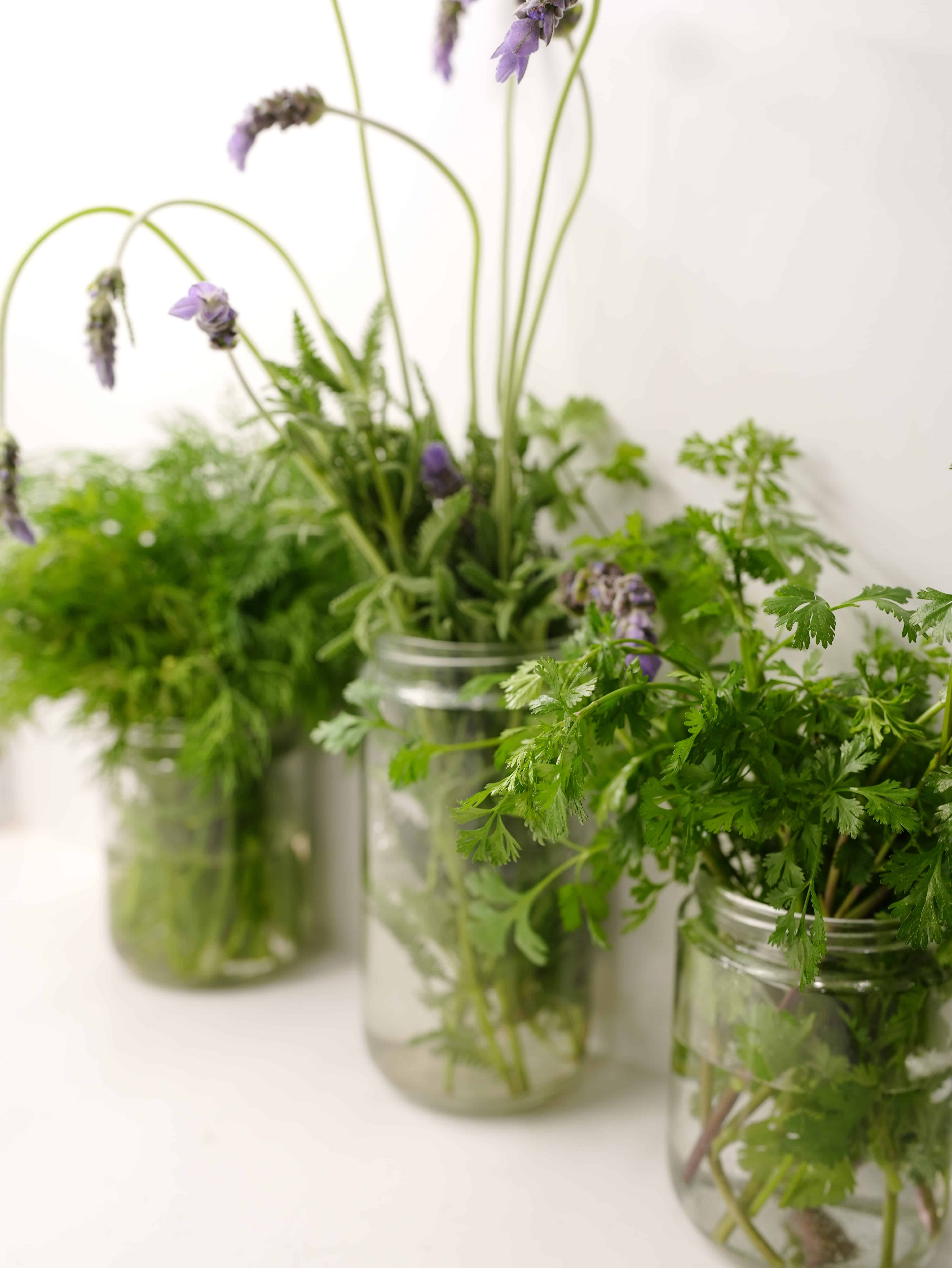
Many garden flowers last beautifully in vases, allowing you to bring a bit of the garden indoors. I keep lavender flowers in a glass vase on my kitchen counter, and it looks beautiful for two full weeks. Doing this is a great way to get your money’s worth! It’s also a wonder why to live a garden-inspired lifestyle.
Shade Garden Tips
Shaded areas of the yard are often overlooked, but they can become some of the most peaceful and beautiful parts of a garden. Even a narrow side yard with only two hours of sun can grow productively with the right plants.
17. Choose plants that naturally thrive in shade.
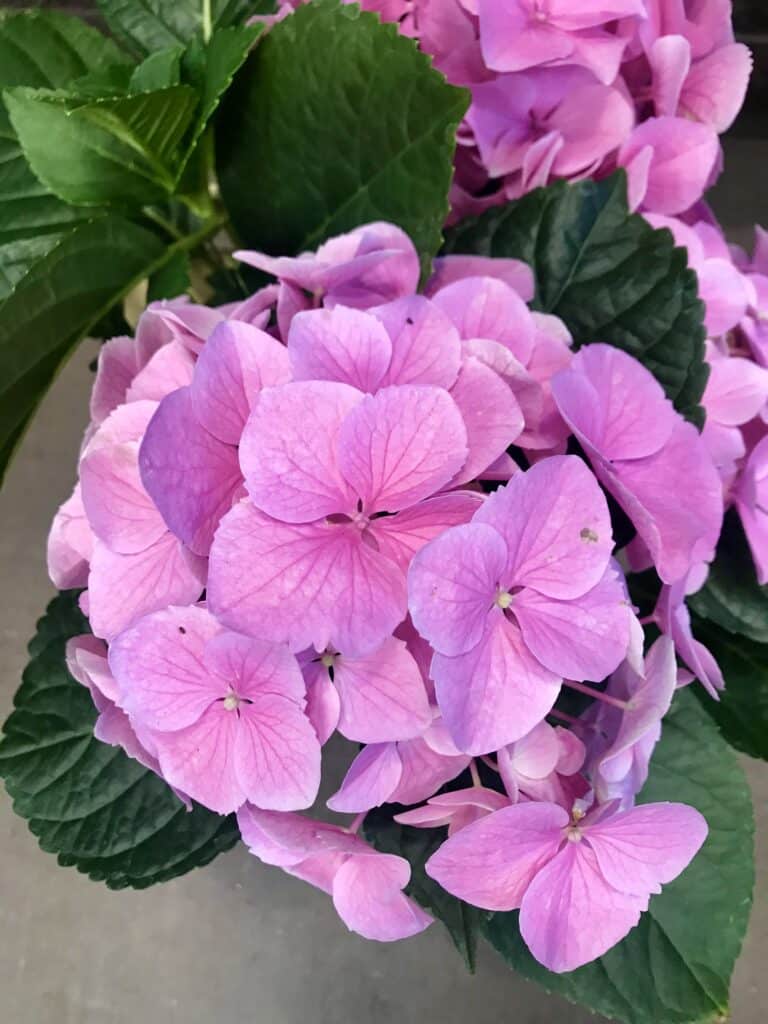
Many plants—including hostas, ferns, and many flowering varieties like hydrangeas—are well adapted to lower light conditions. Here are some the prettiest perennials for shade, as well as beautiful shade shrubs.
You can even grow many succulents in shady conditions, like snake plants and crassula varieties, as long as they get bright indirect sunlight.
18. Focus on interesting foliage.
Shade gardens are particularly gorgeous because they rely on texture and leaf shape, creating a peaceful and layered look. Your shade garden will likely become a treasured place for you to side and relax.
Even flowering plants have leaves that grow for weeks and months before and after flowering.
Here’s a post on shade plants that add texture to the garden.
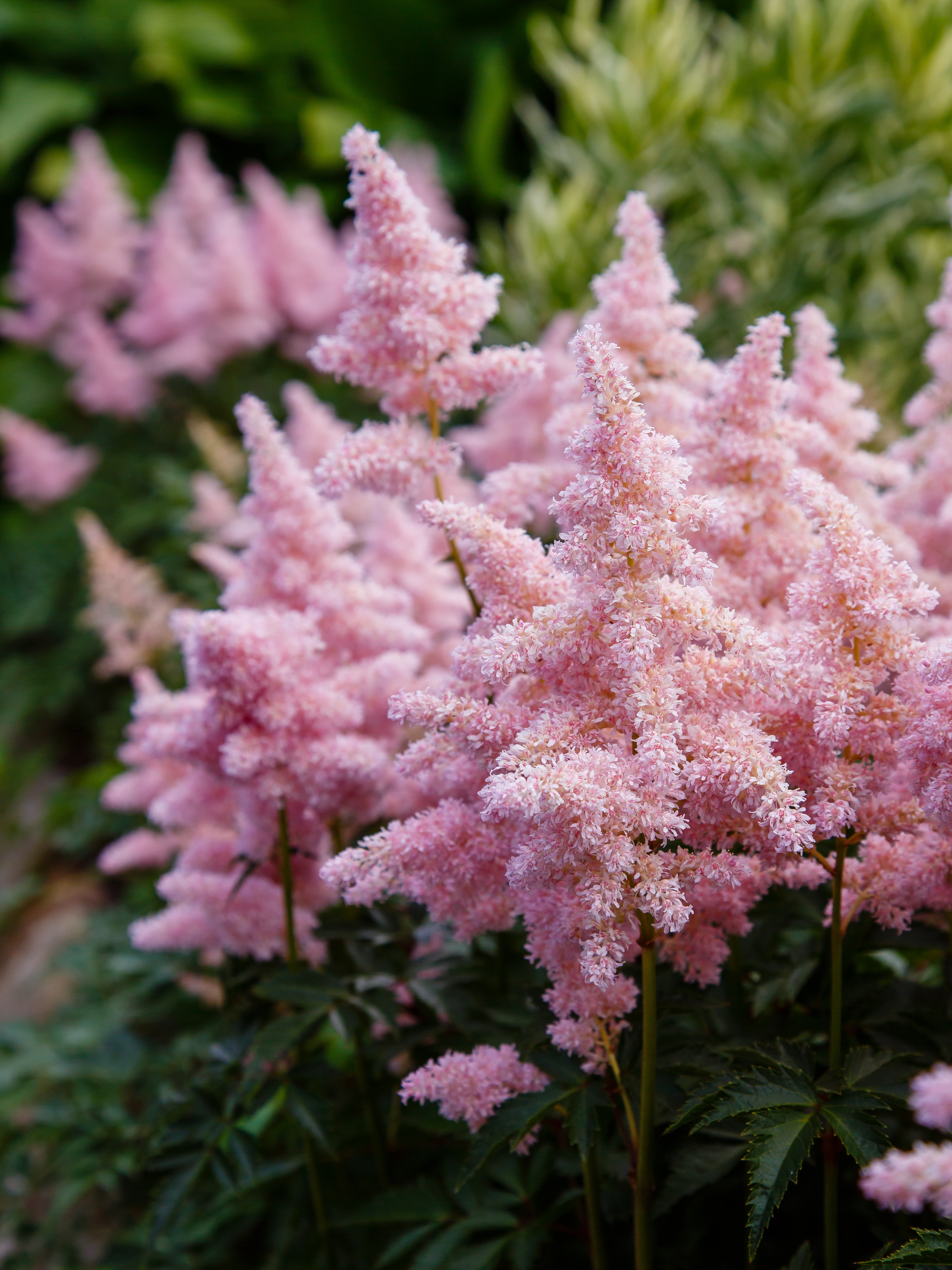
19. Use lighter-colored plants to brighten dark areas.
Plants with silvery leaves or pale flowers can reflect light and make shaded spaces feel brighter. They also look striking again dark and glossy shades of green.
20. Keep soil rich and moist.
Shaded areas often benefit from organic matter such as compost or leaf mulch to maintain healthy soil.
21. Add containers to highlight corners.
Placing decorative pots in shaded areas can help create focal points and add interest to the space. Here’s a list of shade plants that thrive in planters.
22. Incorporate garden features.
A bench, stone path, or decorative planter can transform a shaded garden into a quiet retreat. Focal points in the garden or landscape design can make a big impact.
Even a fairy garden like this one create with succulents would make a lovely addition to a shaded space.
Small-Space & Side Yard Garden Tips
Even a narrow side yard or compact patio can become a charming garden with a little thoughtful design.
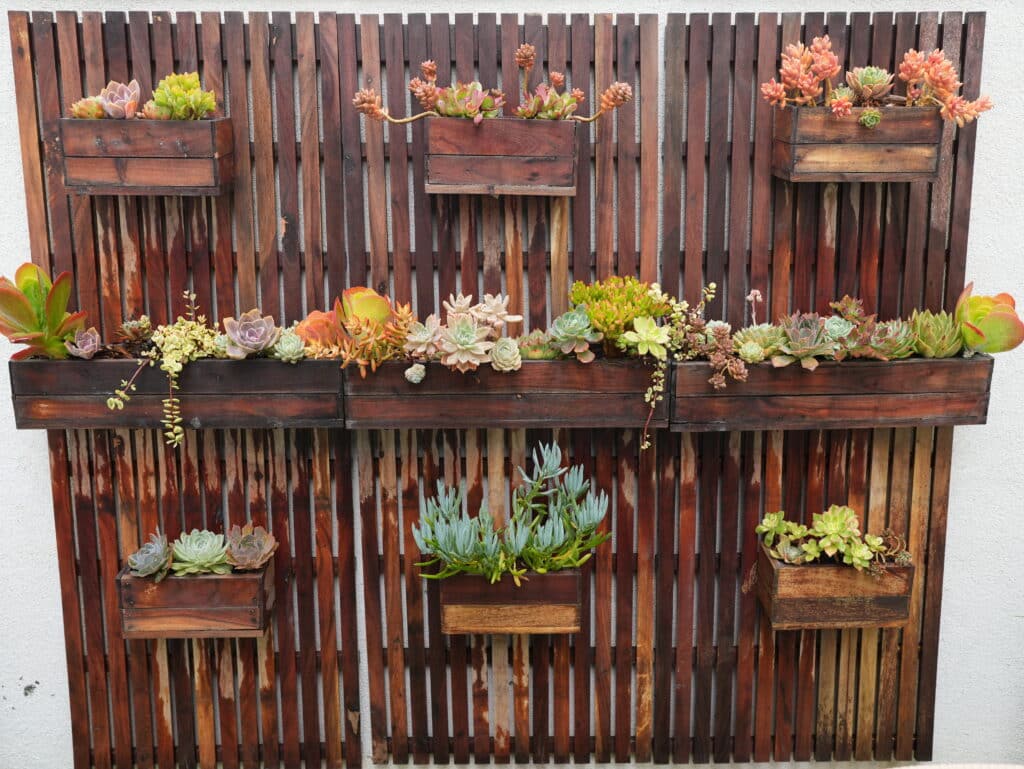
23. Use vertical gardening.
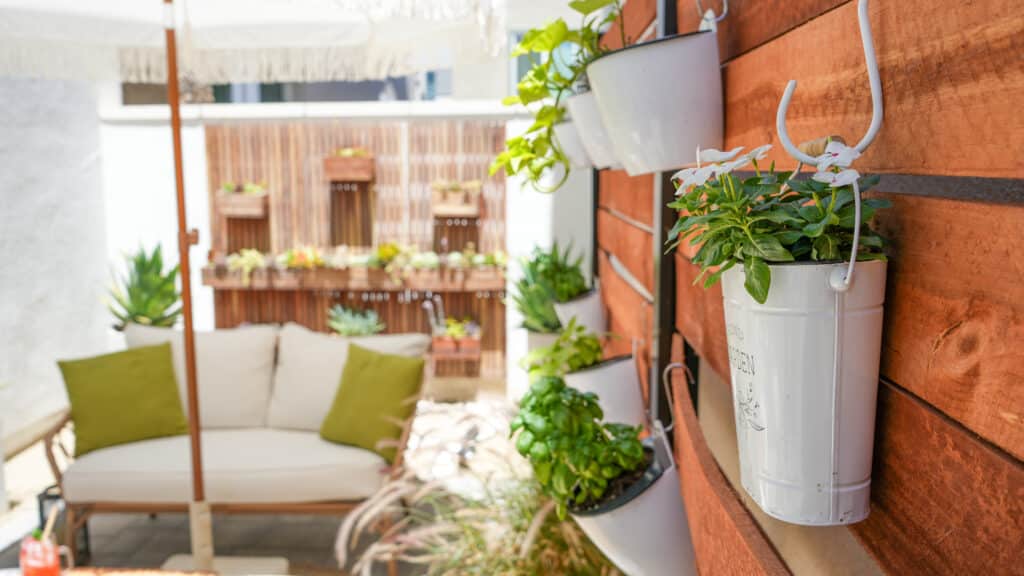
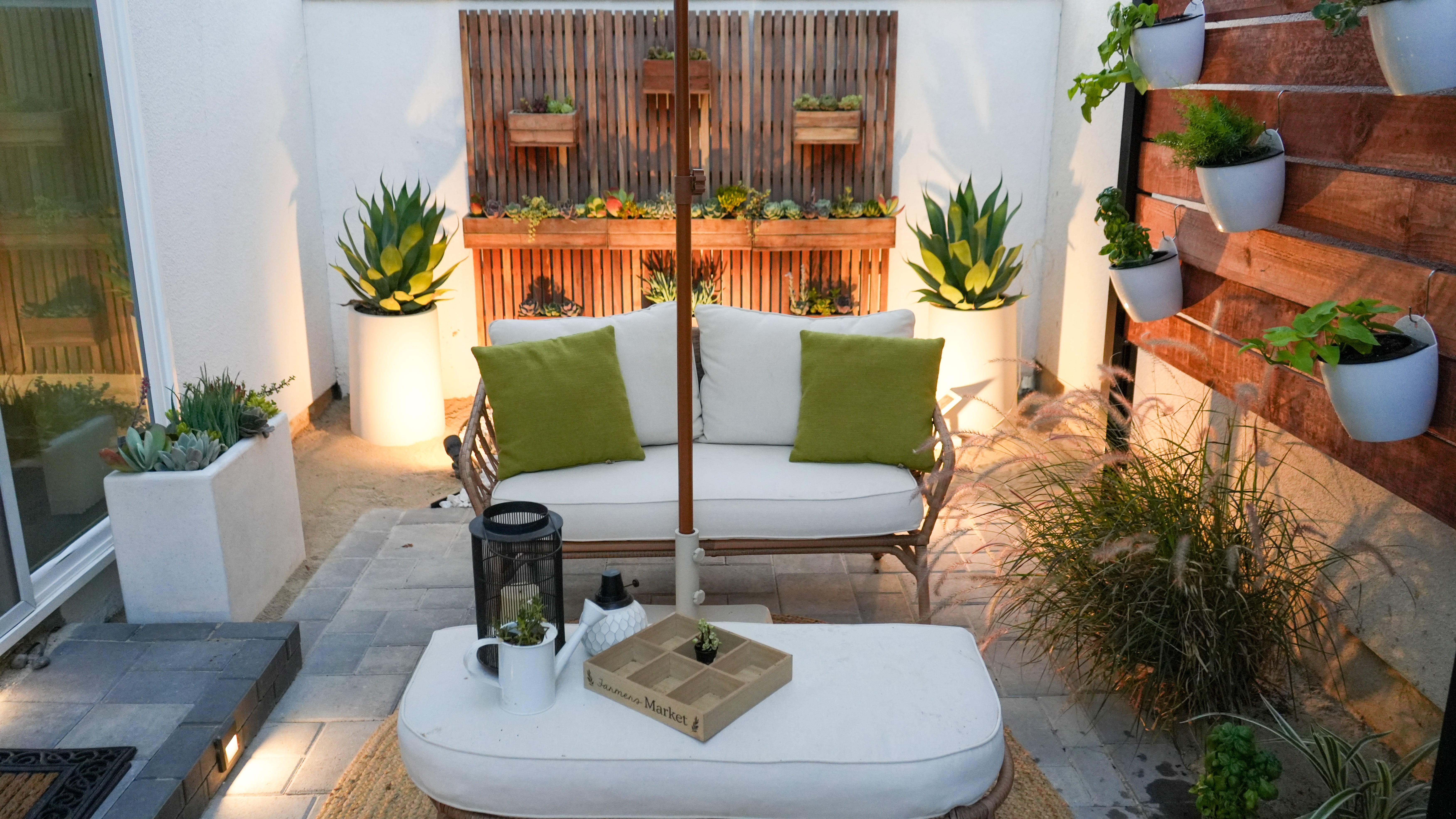
Vertical gardening is the key to gardening in small spaces. Wall planters, trellises, and hanging pots allow you to grow plants upward rather than outward, maximizing limited space.
24. Choose compact plant varieties.
Many vegetables and flowers are available in smaller varieties that are ideal for container gardens. They’re often called “dwarf”.
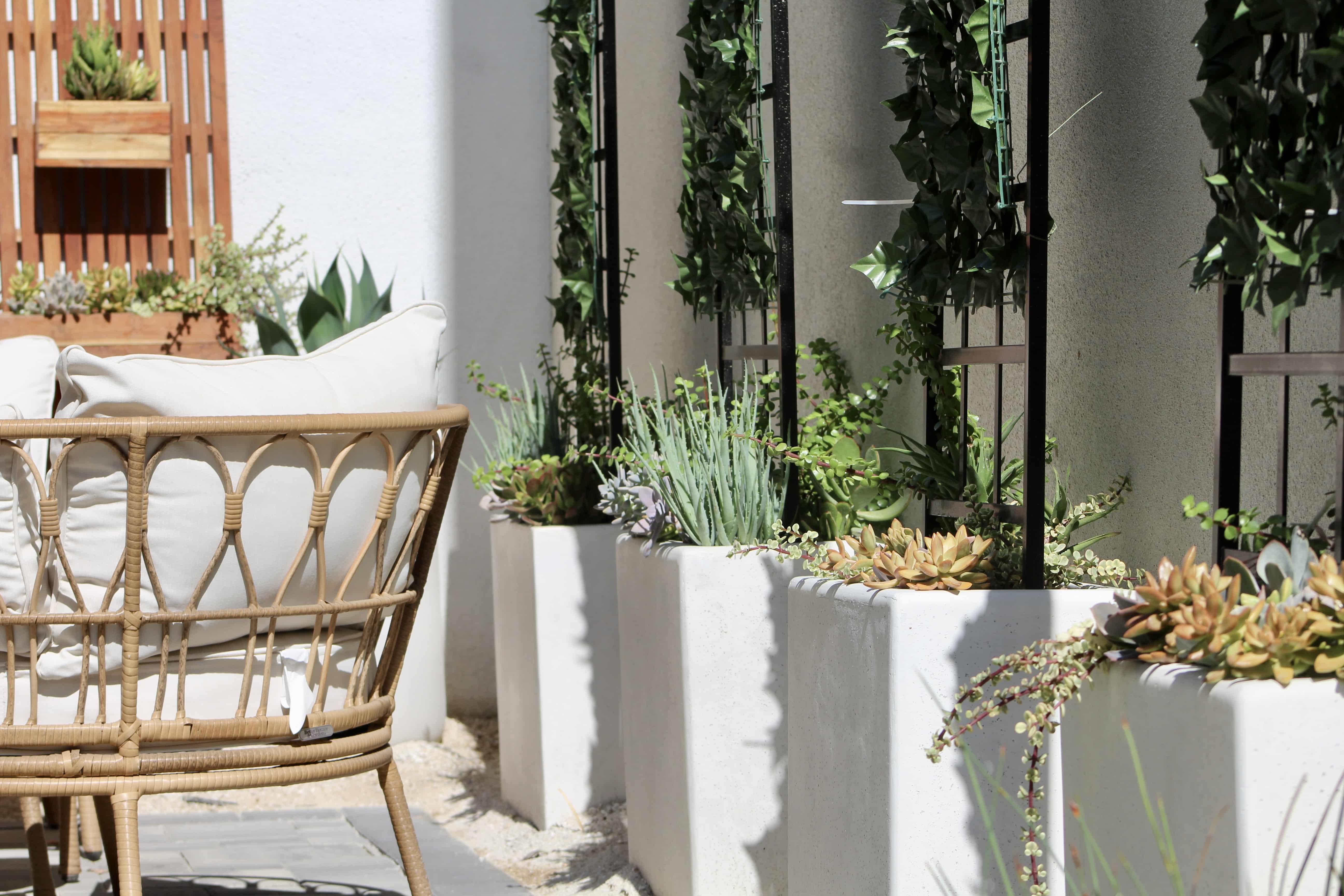
Herbs and succulents are my number one recommendation for a small yard; it’s what I did with my narrow side yard.
25. Plant in containers.
Pots and planters allow you to move plants as needed and experiment with different layouts.
26. Group containers together.
Clusters of pots create visual impact and make small gardens feel more intentional and styled.
27. Place herbs near seating areas.
Herbs such as rosemary, mint, and basil release wonderful fragrances when brushed against.
28. Use trailing plants to soften edges.
Cascading plants spilling over the sides of containers add movement and soften hard surfaces.
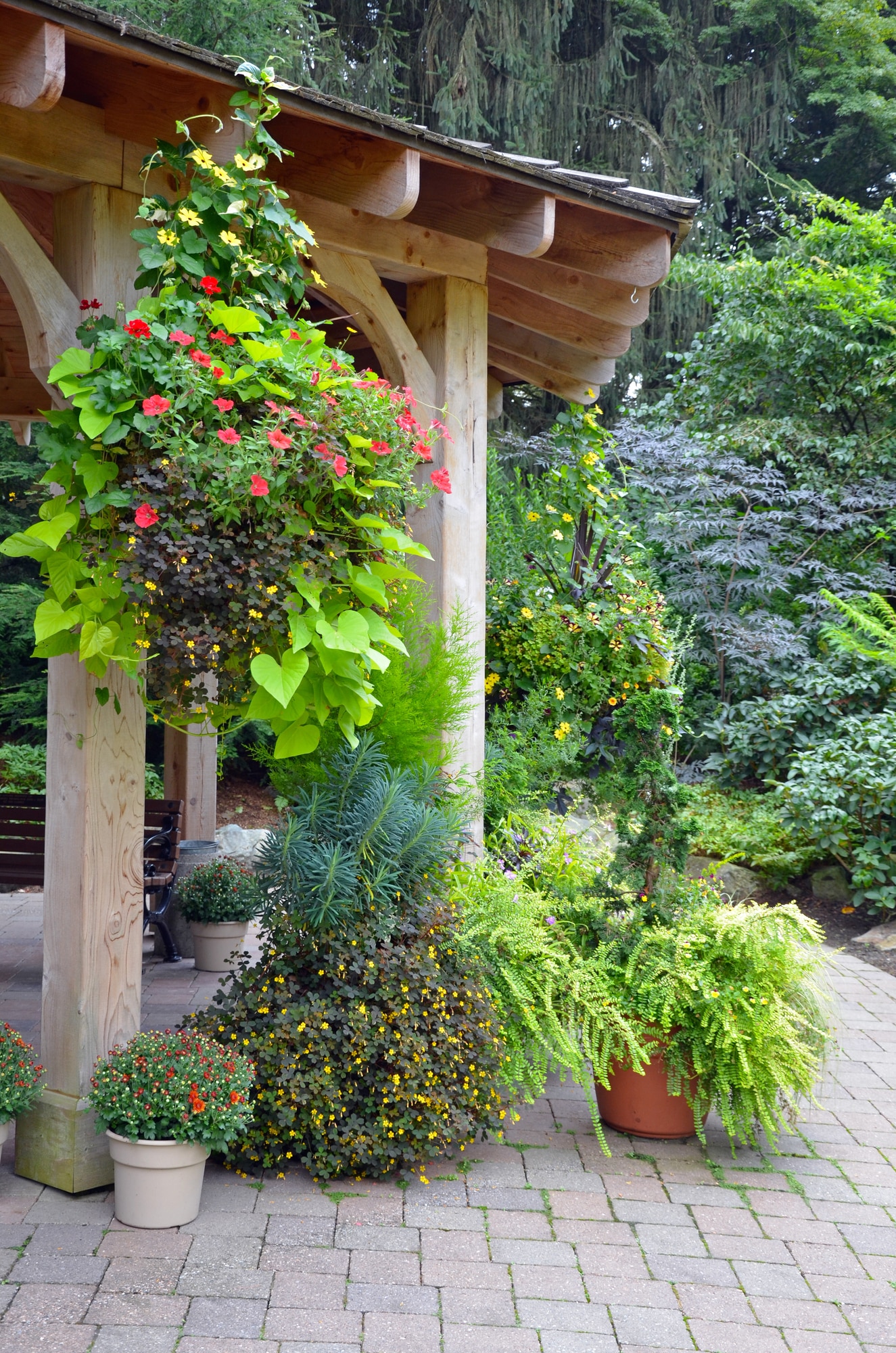
29. Mix edible and ornamental plants.
Herbs, vegetables, and flowers can grow beautifully together in the same container.
30. Add decorative elements.
Lighting, outdoor pillows, and garden accessories can make even a small space feel welcoming and thoughtfully designed.
Succulent Garden Tips
Succulents are ideal for patios and container gardens because they require minimal care while offering beautiful shapes and colors.
31. Use fast-draining soil.
Succulents need soil that drains quickly so their roots do not remain wet for long periods.
32. Choose containers with drainage holes.
Proper drainage helps prevent root rot, which is the most common problem for succulent plants.

33. Water deeply but infrequently.
Succulents prefer occasional thorough watering rather than frequent light watering.
34. Place them in bright light.
Most succulents thrive in sunny locations or bright indirect light.
35. Combine different varieties for visual interest.
Mixing rosette shapes, trailing varieties, and different colors creates striking arrangements.

36. Avoid overwatering.
Succulents are naturally adapted to dry conditions and usually require less water than many other plants.
Herb Garden Tips
Herbs are some of the most rewarding plants to grow. A small herb garden can provide fresh flavor for cooking and bring wonderful fragrance to your outdoor space.
37. Grow herbs close to the kitchen.
When herbs are conveniently located, it becomes easy to step outside and snip what you need while cooking.
38. Harvest herbs often.
Regular harvesting encourages herbs like basil, parsley, and cilantro to grow fuller and more productive.
39. Contain spreading herbs.
Plants such as mint can spread quickly, so growing them in containers helps keep them manageable.
40. Use herbs creatively around the home.
Beyond cooking, herbs can be used in drinks, infused syrups, ice cubes, and even small floral arrangements.
A thriving garden doesn’t require perfect conditions or years of experience. With thoughtful plant choices, healthy soil, and a bit of attention each week, even a small garden can become something beautiful and productive.
Start with a few plants you love, observe how they grow in your space, and let your garden evolve naturally over time.
With these simple gardening tips in mind, you’ll be well on your way to creating your best garden yet.
