The Right Way to Harvest Herbs (So They Keep Growing All Season)
Whether you’re growing herbs in a kitchen windowsill, patio pots, or a raised garden bed, harvesting them correctly makes all the difference. Proper harvesting produces better flavor, healthier plants, and a longer growing season.
Below, I’ll walk you through exactly how to harvest herbs step by step, plus share my favorite tools, timing tips, and what to do with your herbs once they’re picked.
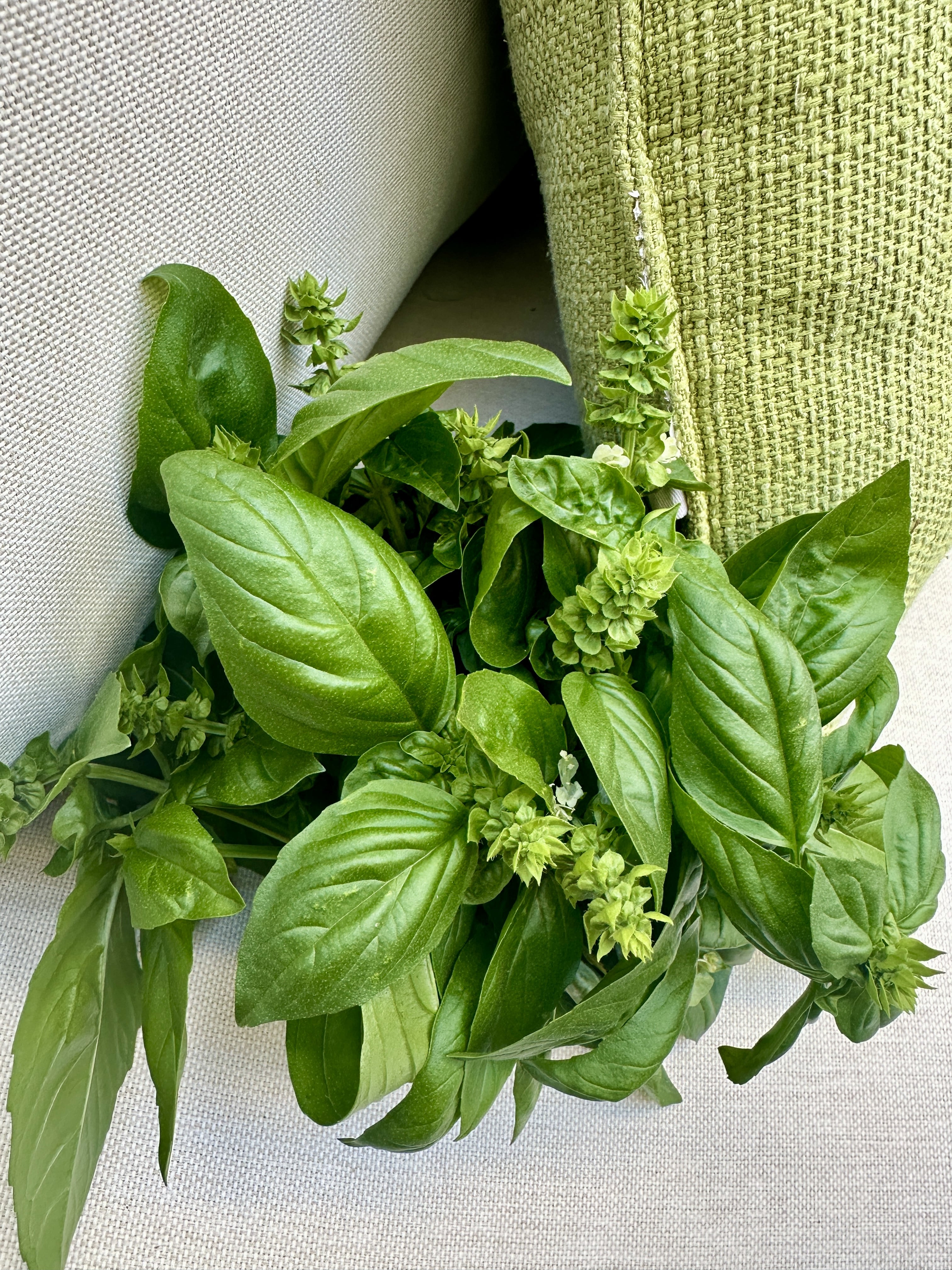
Step 1: Choose the Right Time to Harvest
Best time of day:
Harvest herbs in the early morning, once the dew has dried but before the sun gets too hot. This is when the plant’s essential oils peak—aka the flavor sweet spot.
🌿 Best stage of growth:
- Pick herbs before they flower to avoid a bitter flavor.
- Young leaves usually have more flavor.
- Regular trimming encourages new growth.
Step 2: Gather Your Tools
You only need a few simple items to start harvesting like a pro:
- ✂️ Sharp scissors or small garden shears
- 🧺 A bowl, basket, or colander
- 🧤 Optional: gloves (for rosemary or thorny varieties)
- 💦 Damp towel or soft cloth (to keep herbs fresh if you’re not washing them right away)
I keep a small basket near the back door for spontaneous harvests—it makes it easy to clip and go.
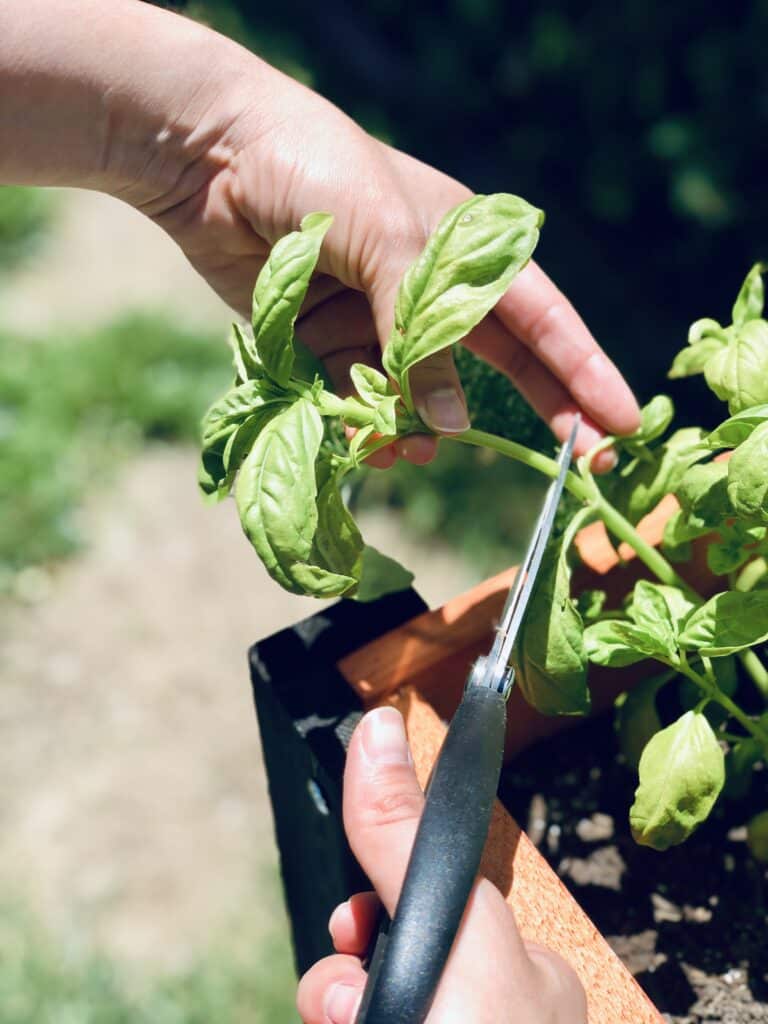
Step 3: Harvest by Herb Type
Not all herbs grow the same way, so here’s a quick reference for some of the most popular varieties:
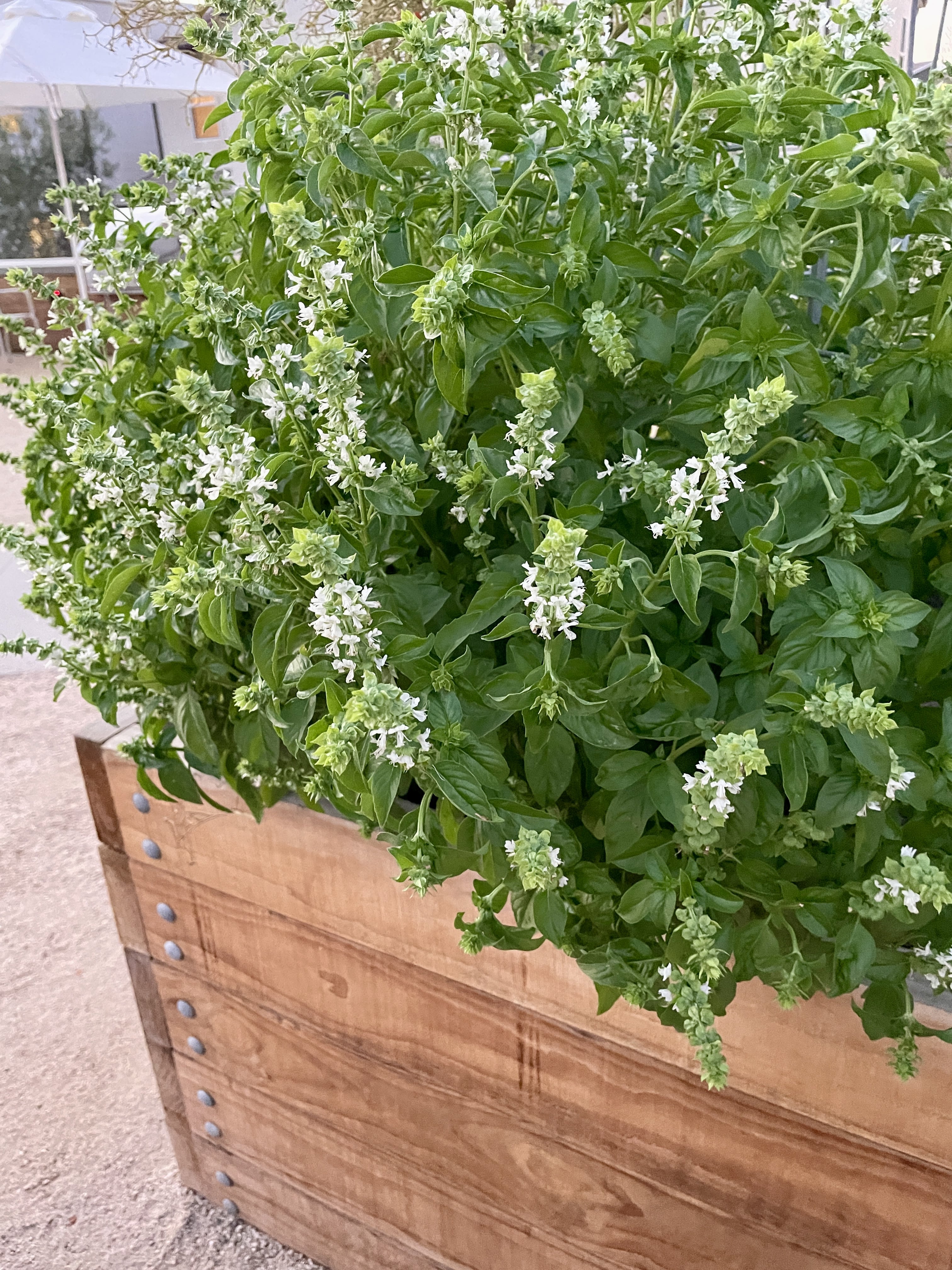
🌿 Basil
- Pinch or cut just above a leaf pair (node).
- Avoid harvesting from the bottom.
- Snipping the tops helps the plant grow bushier.
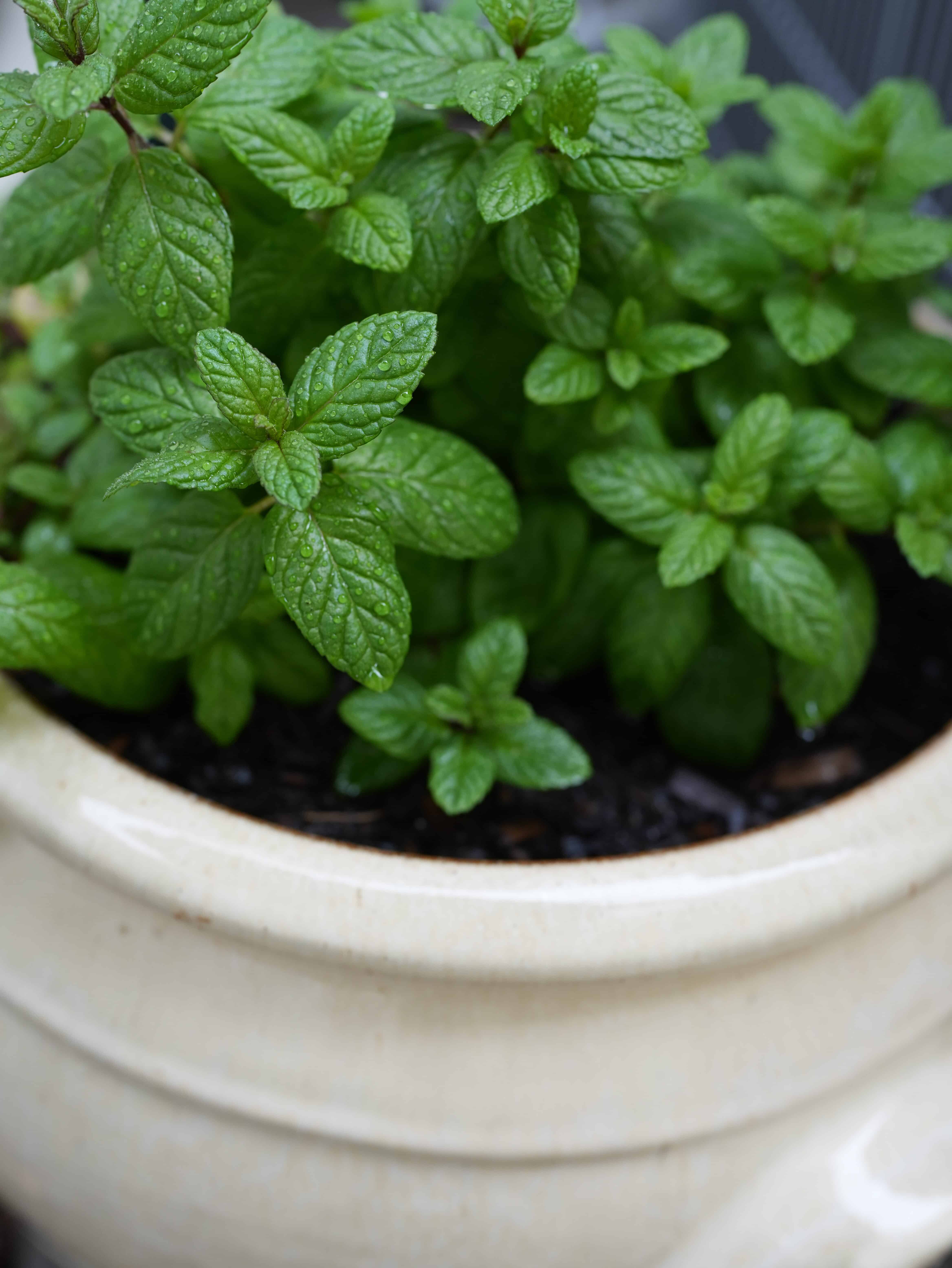
🌿 Mint
- Cut stems just above a pair of leaves.
- Don’t remove more than 1/3 of the plant.
- Frequent trimming keeps it from getting wild.
🌿 Thyme & Oregano
- Snip 4–6″ sprigs from the top.
- Leave lower growth intact.
- Strip the leaves or dry the sprigs whole.
🌿 Rosemary
- Use sharp scissors for woody stems.
- Clip from the outer edges.
- Only harvest about 20% of the plant at a time.
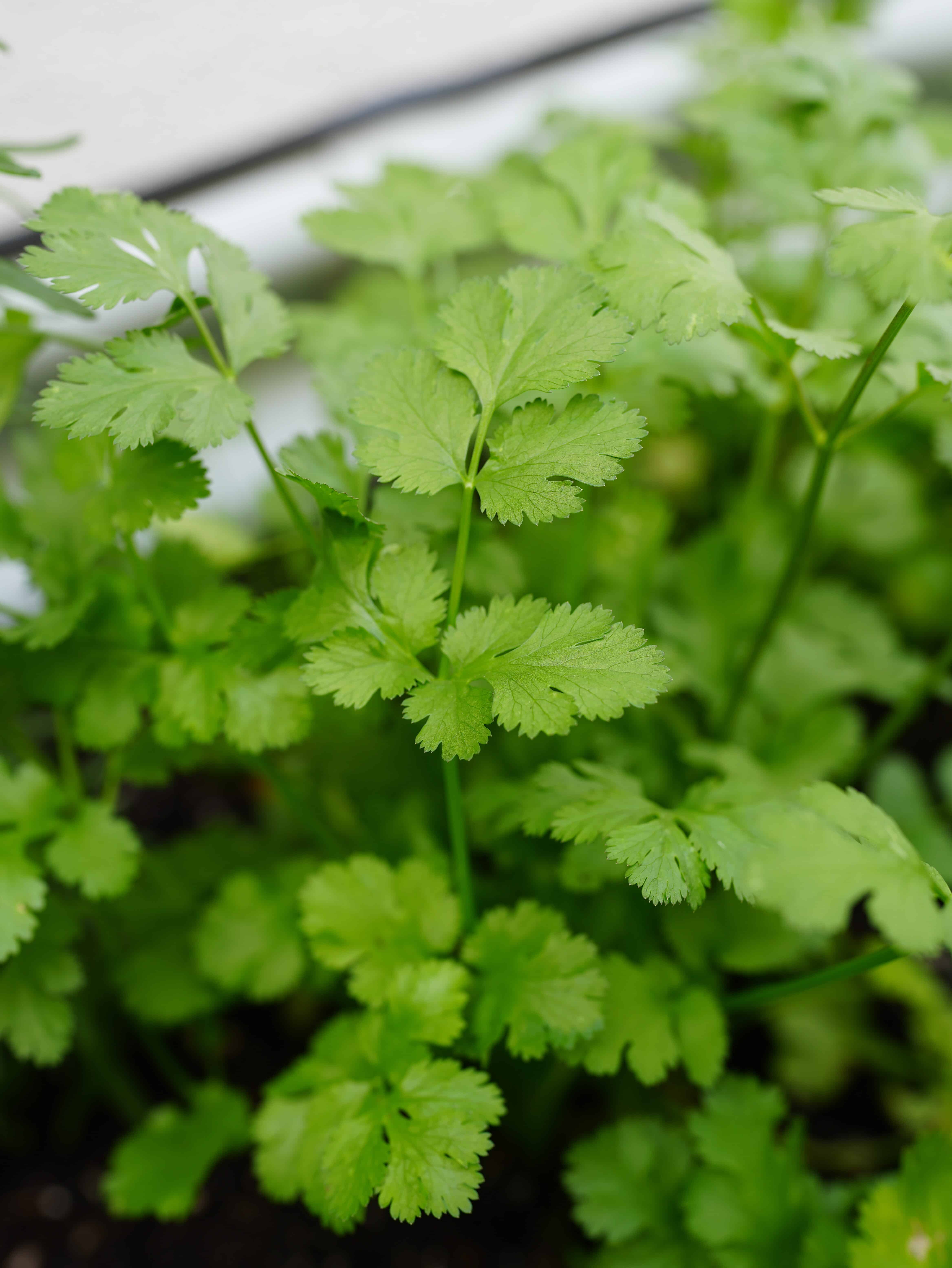
🌿 Parsley & Cilantro
- Cut outer stems near the base first.
- Let the center keep growing.
- Harvest often to prevent bolting.
Step 4: Follow These Best Practices
✅ Only harvest about ⅓ of the plant at a time.
✅ Cut above leaf nodes to encourage branching.
✅ Water and feed your herbs regularly after trimming.
✅ Remove any flower buds to prolong the leafy growth phase.
✅ Use clean, sharp tools to prevent damage and disease.
Step 5: Use or Store Your Harvested Herbs
Now that your herbs are freshly picked, here’s what to do next:
✔️ Use Right Away
Toss basil into pasta, steep mint in tea, or sprinkle parsley over anything and everything.
✔️ Store on the Kitchen Counter
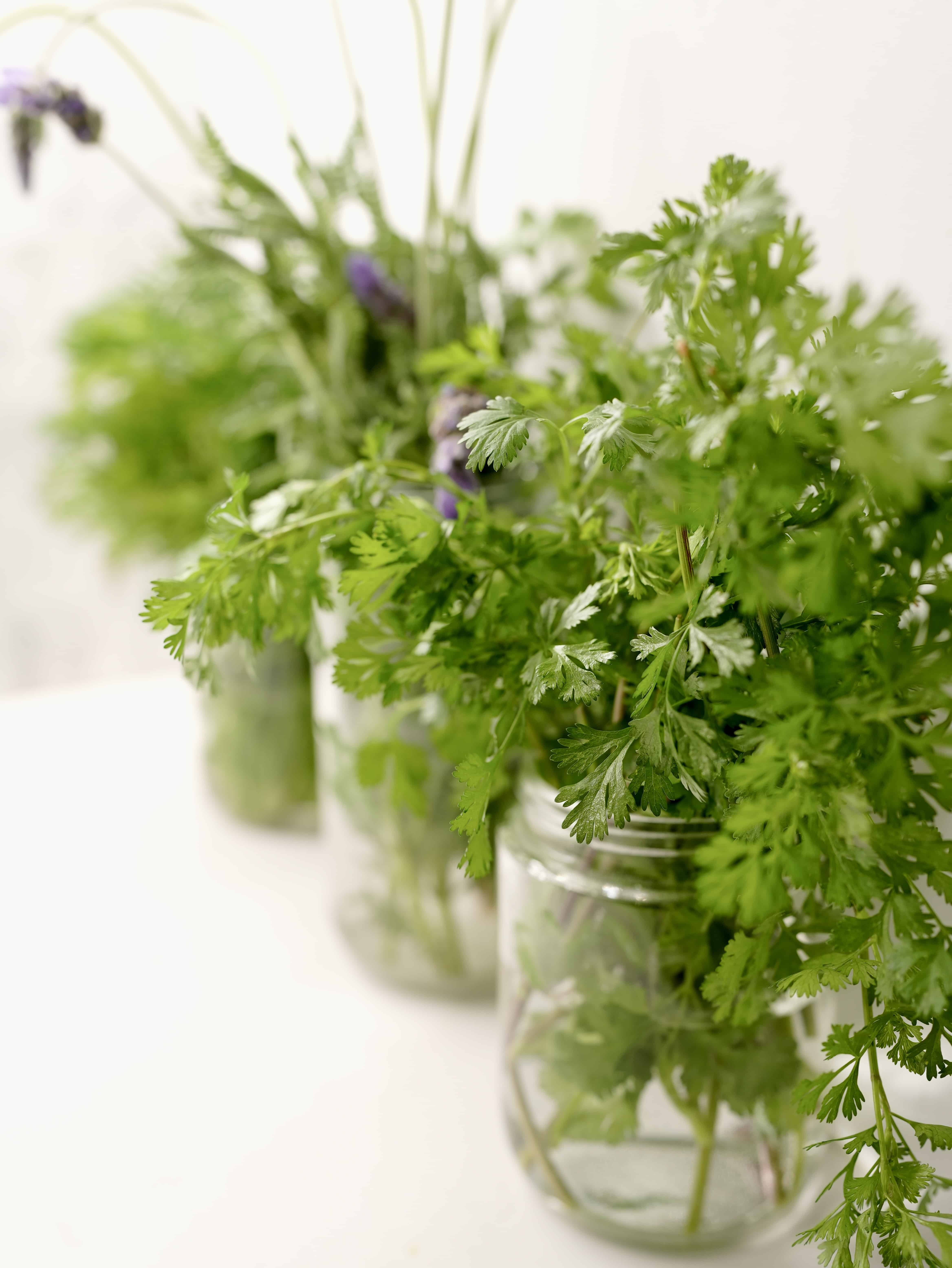
Trim the stems and place them in a glass jar of water like fresh flowers. This keeps the herbs perky and makes your kitchen look pretty, too! It’s also a great way to propagate basil!
👉 Here’s how I style herbs on my kitchen counter.
✔️ Store in the Fridge
Wrap herbs in a damp paper towel and place them inside a zip bag or container. Most will last about a week and a half.
✔️ Preserve for Later
- Freeze herbs in olive oil using ice cube trays so you can use it later in the year!
- Air-dry thyme, oregano, rosemary, culinary lavender, or sage and store in jars.
- Make herb butter or infused salts if you’re feeling creative!
- Make simplye syrup with your herbs, like this culinary Lavender Simple Syrup recipe!

Avoid These Common Mistakes
⚠️ Cutting too much too early (let the plant mature). never cut more than 1/3 of a plant.
⚠️ Using dull scissors (crushes stems and spreads disease). Yikes! Always start with clean scissors.
⚠️ Forgetting to trim herbs regularly can lead them to flower early and make the plant taste bitter.
⚠️ Pulling leaves instead of cutting (damages the plant structure and can disturb the root system).
Harvesting herbs isn’t just about getting something fresh for your next meal—it’s a small, satisfying ritual that keeps your garden vibrant and your home feeling more connected to the season.
Once you get the hang of it, you’ll start reaching for the scissors without thinking—and your herbs will thank you by growing back fuller, greener, and more flavorful than ever.
Let me know in the comments: which herbs are thriving in your garden right now?
Or tag me on Instagram @amongthelilacsblog—I love seeing your garden setups and kitchen herb displays!
