Shade Plants That Bloom All Summer
Have you ever stood in your yard in the middle of July and thought, why does everything in my shade garden look… flat? Shade spaces can feel lush and green in spring, but by summer, they often lose that fresh, colorful look we all want.
The good news is that a shade garden doesn’t have to be dull or one-dimensional. With the right plants, you can have continuous blooms all summer long, even in low light. And not just a few scattered flowers—but a space that feels full, layered, and intentionally styled.
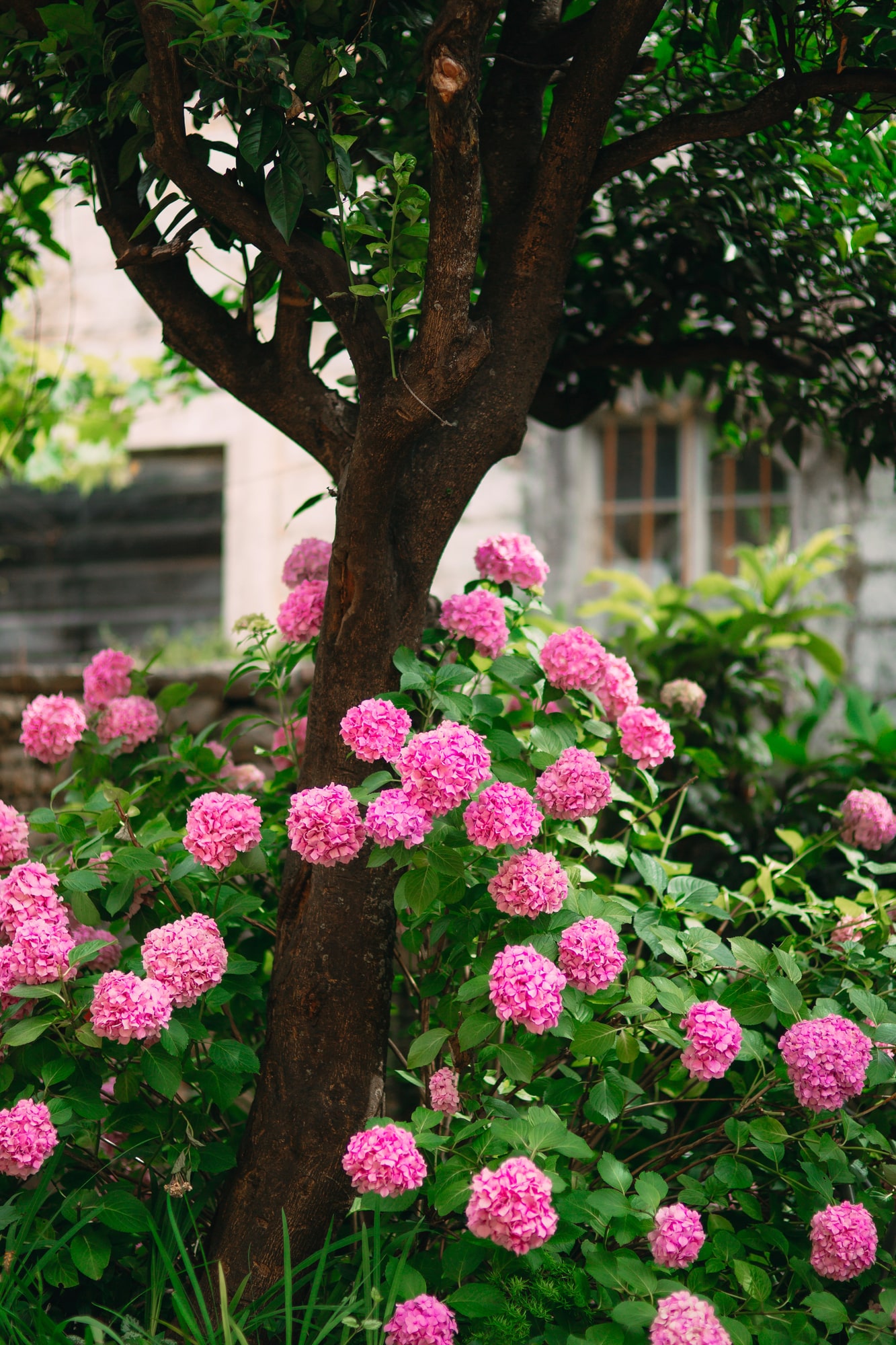
This guide is all about shade plants that actually bloom through summer, not just for a week or two. These are the ones that keep your patio, side yard, or garden beds looking alive and colorful well into the hottest months.
What Counts as “Shade”? (And Why It Matters)
Before choosing plants, it helps to quickly understand the type of shade you’re working with:
- Partial shade: 3–6 hours of sunlight per day
- Full shade: Less than 3 hours of direct sun
- Dappled shade: Filtered light through trees or structures
Most “shade-loving” flowering plants actually prefer partial shade, especially if you want strong blooms all summer. If your space is very low light, you’ll want to lean more heavily on foliage + a few reliable bloomers.
What Makes a Good Summer-Blooming Shade Plant?
Not all flowers are built for long summer performance. The best ones share a few key traits:
- Extended bloom time (not just a quick spring show)
- Heat tolerance (so they don’t fade out in July)
- Low maintenance care (no constant deadheading or fussing)
- Works well in containers or small spaces
This is especially important if you’re working with a patio, side yard, or a more styled outdoor space where everything needs to look good consistently.
Shade Plants That Bloom All Summer
These are the go-to plants that bring reliable color—and actually hold up through the season.
Impatiens (The Easiest Way to Add Instant Color)
If you want something that just works, impatiens are hard to beat. They bloom continuously from late spring through fall and thrive in shady conditions.
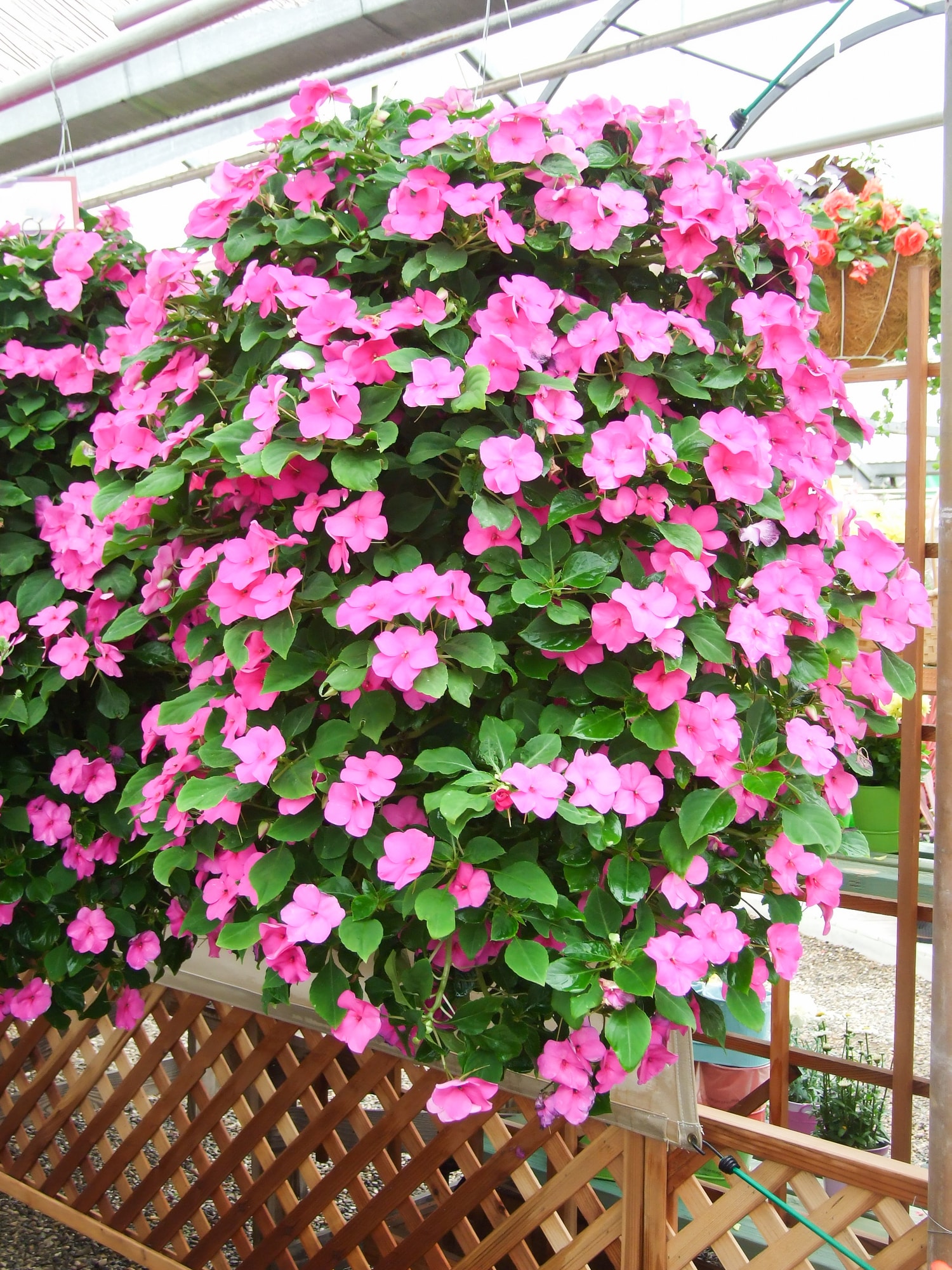
They’re especially good for:
- Filling in empty garden beds
- Brightening up darker corners
- Creating that full, abundant look quickly
If your goal is a garden that looks colorful without overthinking it, start here.
Begonias (Polished and Reliable)
Begonias feel a little more elevated than impatiens, thanks to their glossy leaves and structured growth. They’re perfect if you want a space that looks a bit more styled.
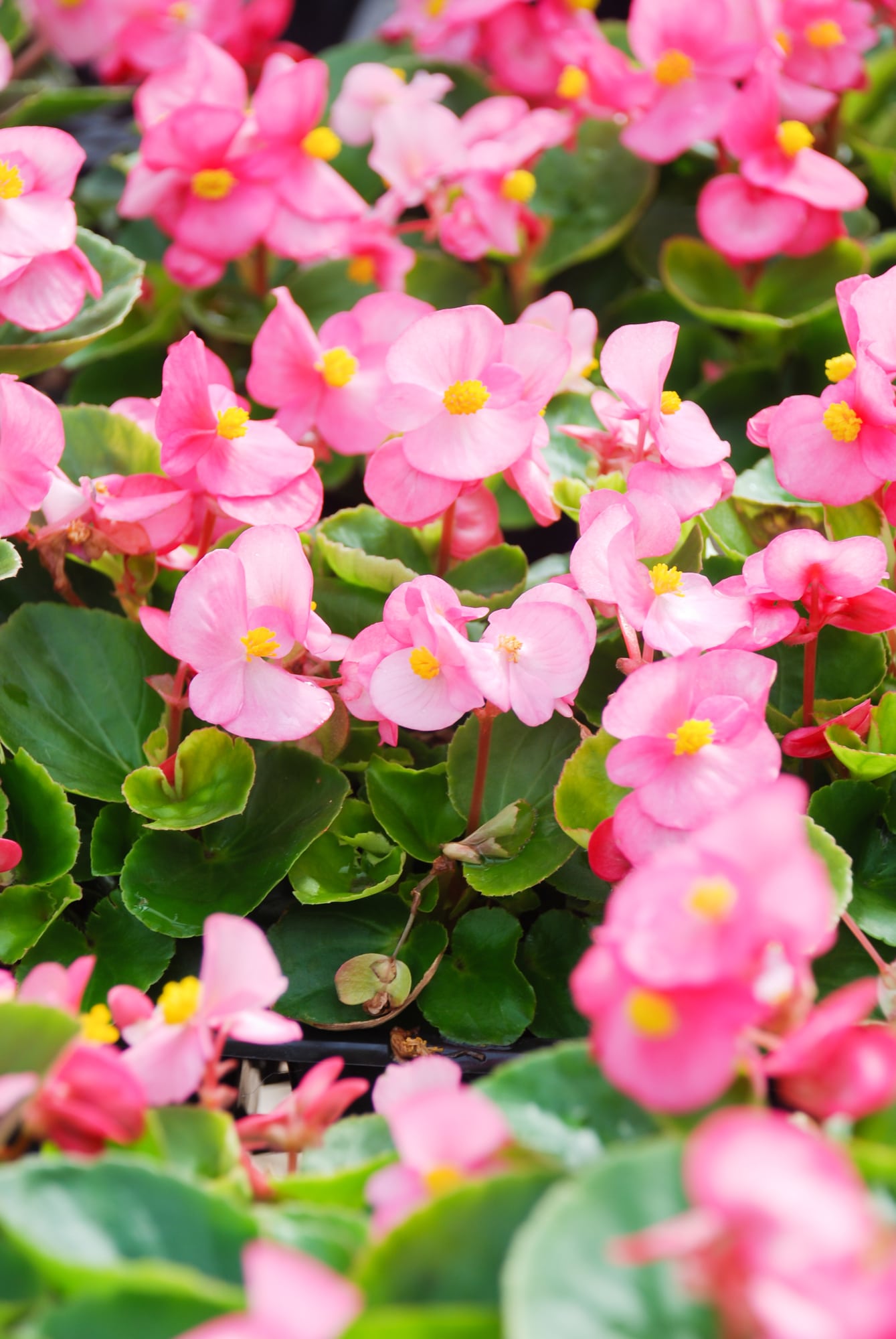
They do especially well in:
- Containers and planters
- Entryways and patios
- Mixed arrangements with foliage plants
Even when they’re not in peak bloom, their leaves keep everything looking fresh.
Torenia (Wishbone Flower)
Torenia is one of those plants people don’t use enough—and it should be. The small, snapdragon-like flowers bloom steadily through summer and add a softer, slightly whimsical feel.
It’s a great choice if you want:
- Something a little different from the usual
- A plant that handles humidity well
- A filler for containers that still adds color
Lobelia (Soft, Trailing Color)
Lobelia brings that soft, cascading look that makes a space feel layered and finished. It’s especially beautiful in hanging baskets or along the edges of containers.
Keep in mind:
- It prefers cooler conditions
- Works best in partial shade
- May slow down in extreme heat (but can bounce back)
Use it to soften harder lines and add movement.
Caladium (Not a Flower—But You’ll Want It Anyway)
Caladiums don’t bloom much—but their foliage is so vibrant that they function like flowers in your garden.
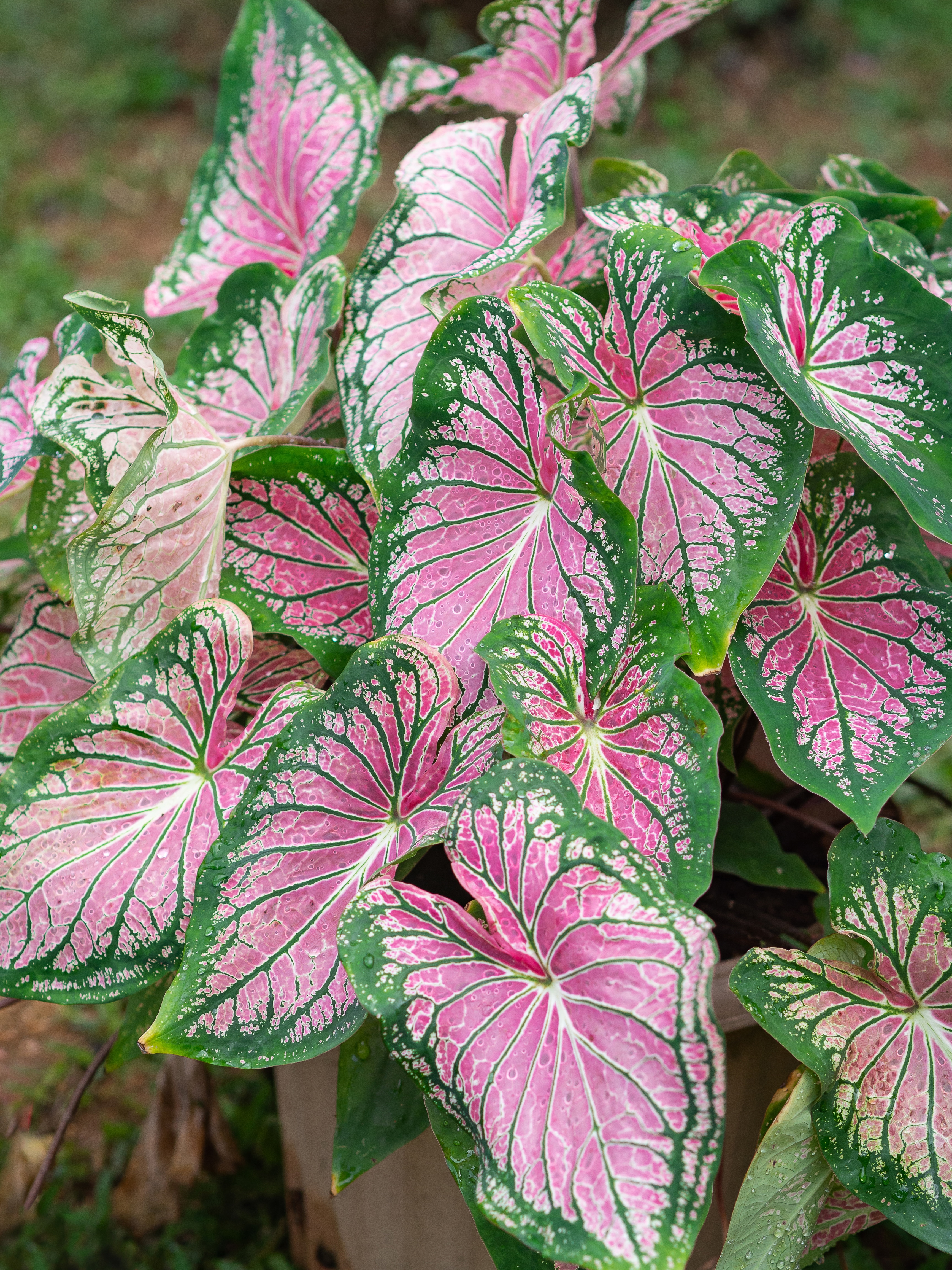
Think:
- Bright pinks, whites, and reds
- Large, dramatic leaves
- Instant visual impact
If your shade garden feels flat, this is one of the fastest ways to fix it.
Fuchsia (Perfect for Hanging Baskets)
Fuchsia adds height and drama, especially in hanging arrangements. The blooms are delicate but eye-catching, and they hold up well in cooler shaded areas.
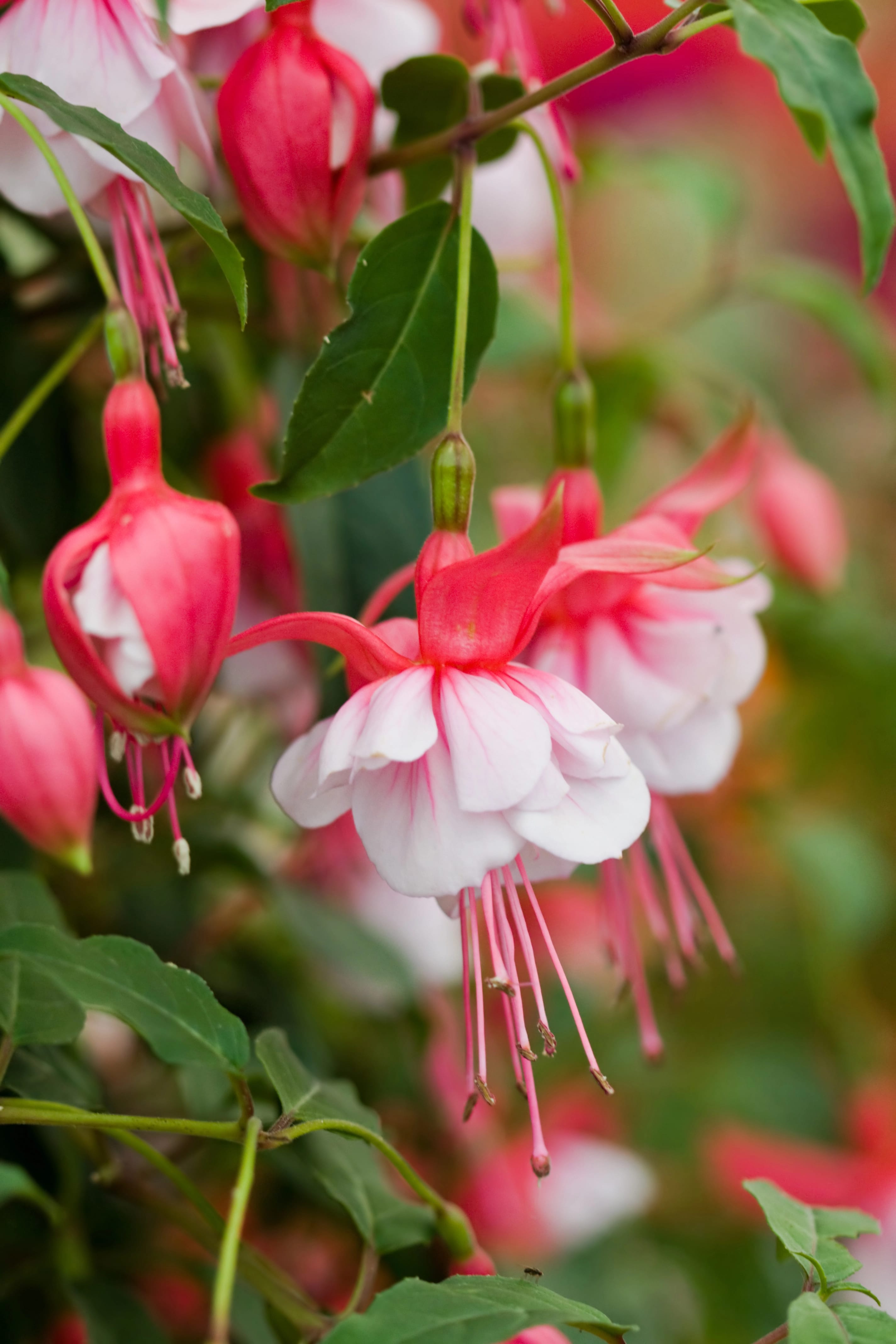
Best for:
- Covered patios
- Vertical garden setups
- Adding interest at eye level
Browallia (An Easy, Underrated Bloomer)
Browallia is one of those plants that quietly performs all season. It produces steady blue or purple flowers and doesn’t require much attention.
It works well as:
- A filler plant in containers
- A low-maintenance option for beginners
- A way to add cool-toned color to your palette
Astilbe (For a More Layered, Garden Look)
Astilbe brings softness and structure with its feathery plumes. While it may not bloom nonstop like annuals, it adds an important layer to shade gardens.
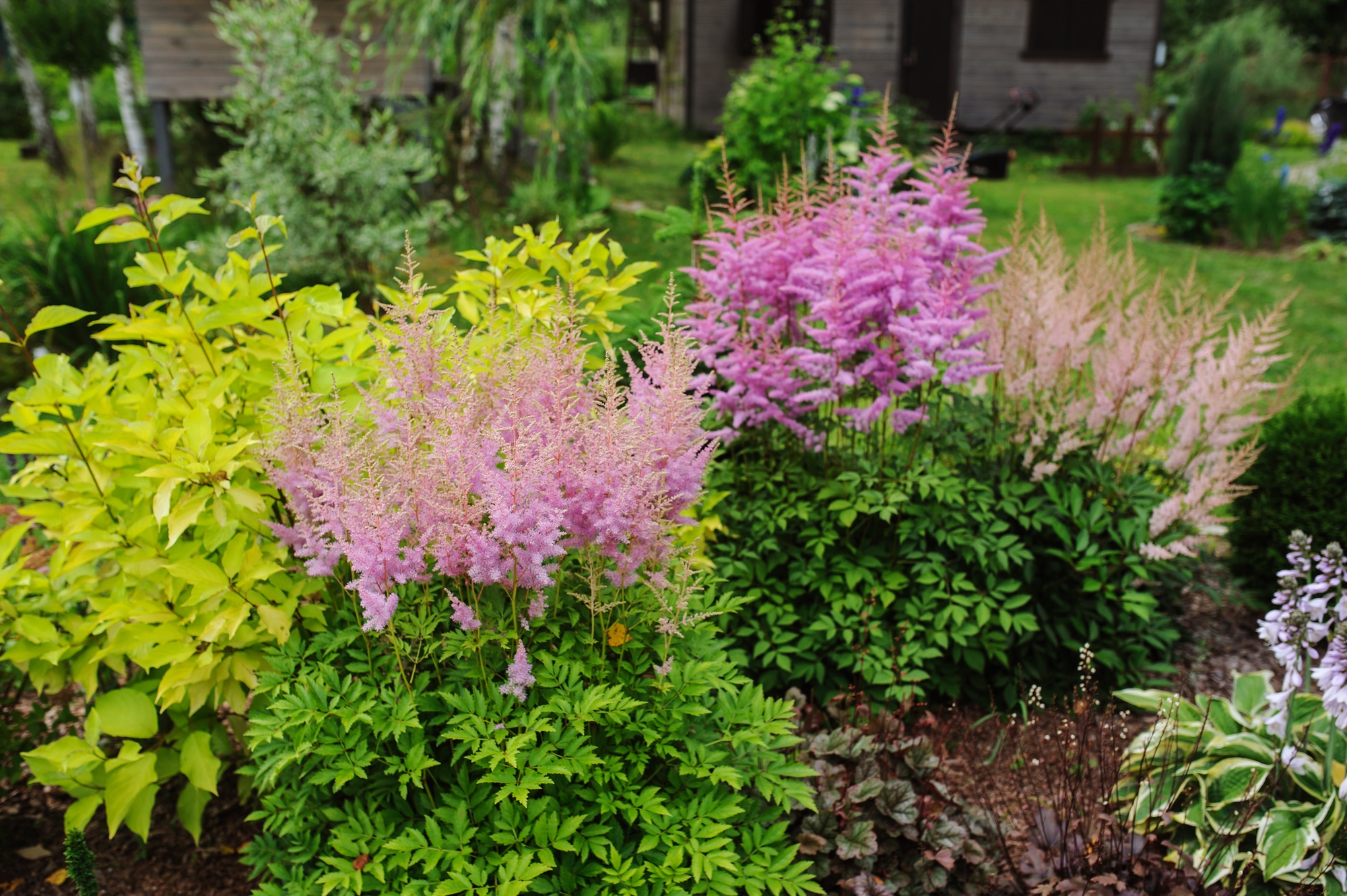
Use it to:
- Anchor garden beds
- Create height variation
- Add that romantic, full look
How to Make a Shade Garden Look Full (Not Sparse)
This is where most shade gardens fall short—not in plant choice, but in design.
A few simple shifts make a big difference:
- Layer your plants
Combine tall plants (like astilbe), mid-height blooms (begonias), and trailing varieties (lobelia) - Repeat colors throughout the space
This keeps everything cohesive instead of scattered - Mix foliage with flowers
Plants like caladium prevent gaps when blooms slow down - Use containers to fill empty spots
Especially helpful for patios or awkward corners
This is the difference between a garden that looks random and one that feels intentionally put together.
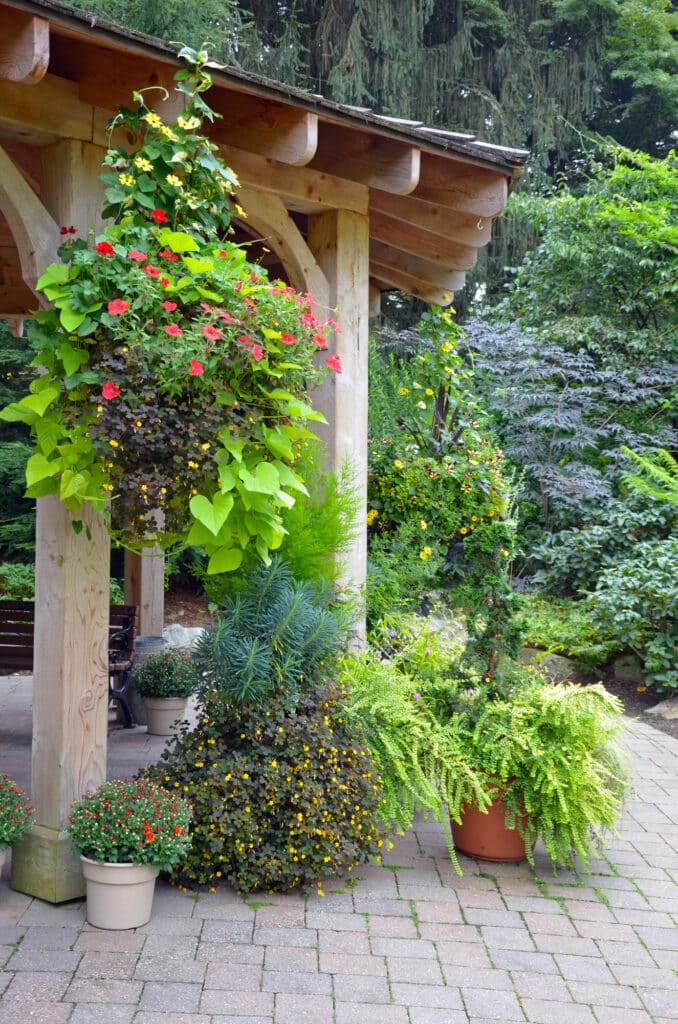
Best Shade Plants for Containers (Quick Picks)
If you’re working with a patio or small space, these are the easiest to start with:
- Impatiens
- Begonias
- Fuchsia
- Torenia
They’re all reliable, low-maintenance, and look good even if you’re not constantly adjusting them.
Common Mistakes to Avoid
A few things that can quietly ruin a shade garden:
- Planting sun-loving flowers and hoping they adapt
- Overwatering (shade soil stays moist longer)
- Ignoring airflow, which can lead to mildew
- Not refreshing annuals if they start to fade mid-season
Even small adjustments here can make your plants last much longer.
Frequently Asked Questions
What flowers bloom all summer in full shade?
Impatiens and begonias are your best options for consistent color in full shade.
Can you have a colorful garden without sun?
Yes—you just need the right mix of shade-tolerant bloomers and bold foliage.
What is the easiest shade plant to grow?
Impatiens are by far the easiest and most forgiving.
Do shade flowers need fertilizer?
A light, balanced fertilizer every few weeks helps maintain blooms, especially in containers.
A shade garden doesn’t have to feel like an afterthought. With a few well-chosen plants, it can be just as vibrant and full as any sunny space.
Start small—maybe a container near your patio or a corner that feels a little empty—and build from there. Once you see how much color you can get in the shade, it completely changes how you look at those spaces.
And honestly, there’s something about a shaded garden in the middle of summer that just feels cooler, calmer, and a little more inviting.
