How to Grow Basil That’s Full, Fragrant, and Never Leggy
Basil is such a wonderful herb; it’s so useful in the kitchen and lends incredible flavor to all sorts of recipes. It’s one of those herbs you’ll be thankful to have growing in your garden.
It’s also a top herb for beginners.
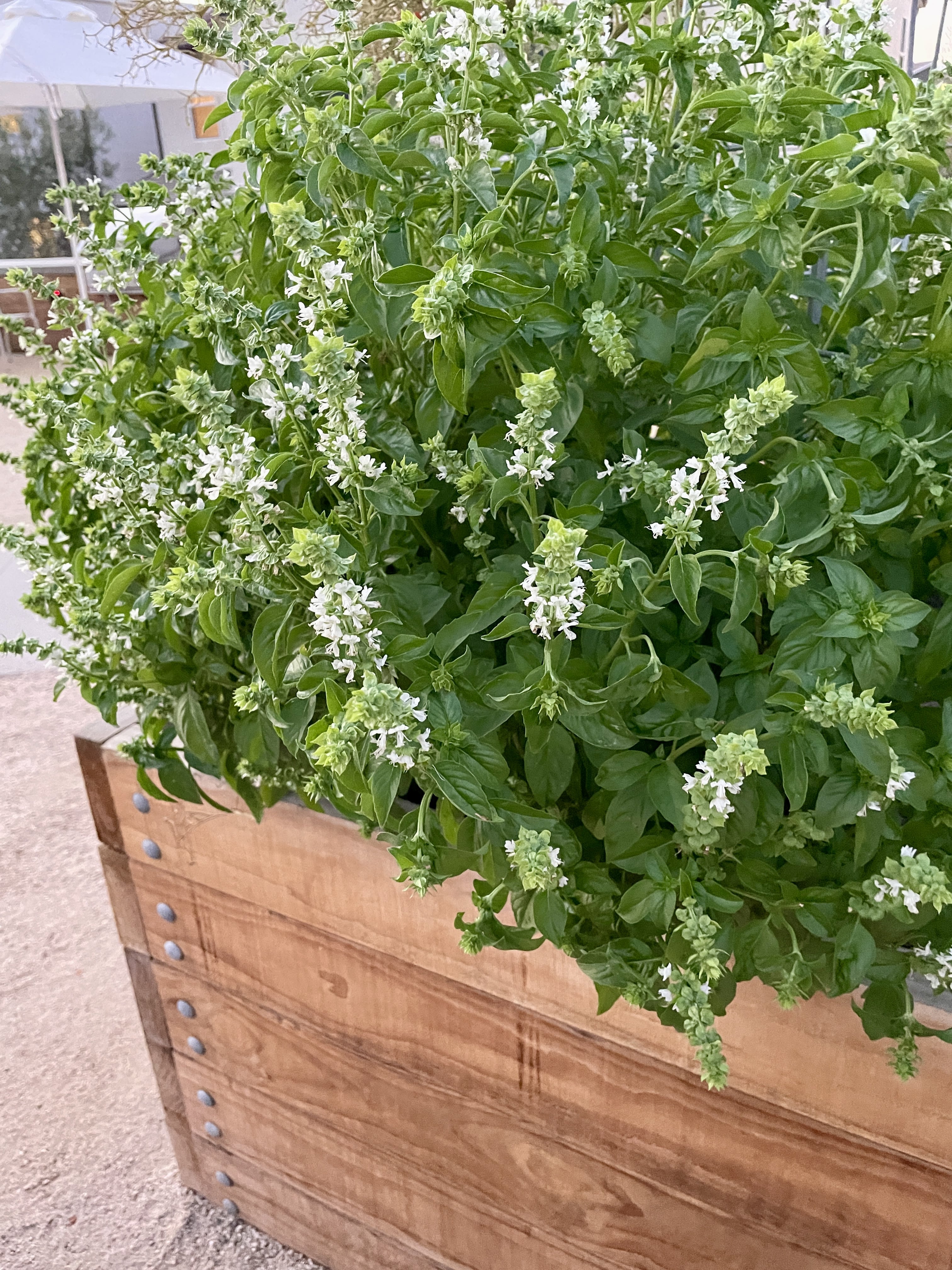
It’s one of the easiest herbs to grow — if you understand a few simple rules.
Most basil struggles come down to light, watering, or not pruning correctly. Once you master those, your plants will grow thick, bushy, and productive instead of tall and spindly.
Let’s walk through exactly how to grow basil so it thrives — whether you’re planting it in a garden bed, a pot in your side patio, or a small balcony container.
Choosing the Right Type of Basil
Before you plant, it helps to know that there are a few basil varieties. Each variety brings something slightly different to your garden and your kitchen. Here’s a quick overview:
Sweet Basil
The classic variety most people think of. It has large, tender green leaves and that familiar Italian aroma. Use it in pasta salads, tomato dishes, and cocktails.
Genovese Basil
Very similar to sweet basil but traditionally used for pesto. Leaves are slightly larger and deeply aromatic.
Thai Basil
Recognizable by its purple stems and slightly spicy, anise-like flavor. Beautiful and ornamental in containers. Plant this if you love Thai food! It’s wonderful in soups in stews.
Lemon Basil
Lighter green leaves with a subtle citrus scent. Lovely for summer drinks and simple salads.
Purple Basil
Striking deep purple foliage that looks beautiful in patio containers or mixed herb planters.
If you’re just starting, sweet or Genovese basil are the easiest and most forgiving.
Where to Grow Basil
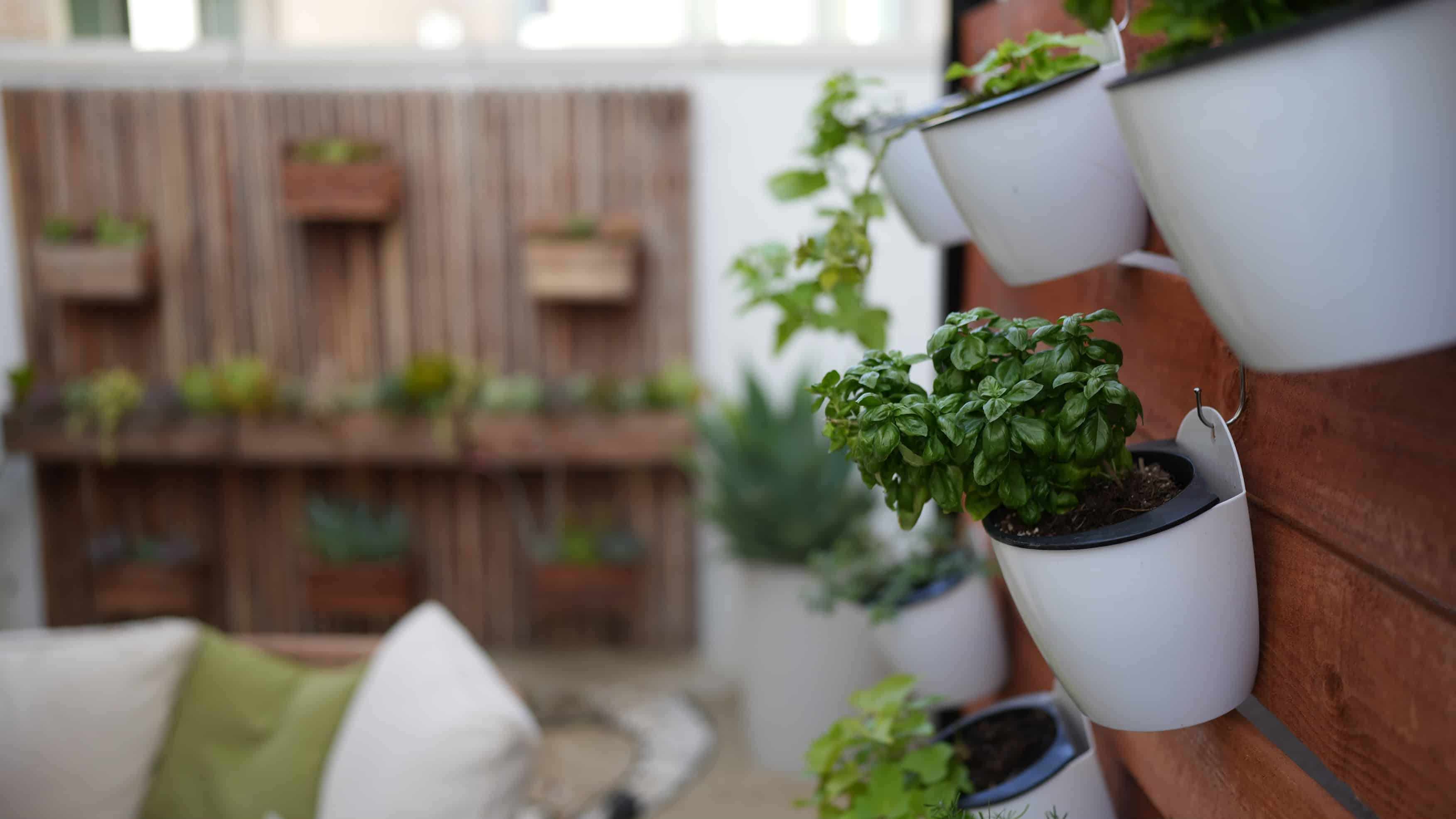
Basil plants LOVE the sun.
Sunlight Requirements
Basil needs 6–8 hours of direct sunlight daily. Without it, the plant becomes leggy — long stems, wide spacing between leaves, and weak growth.
If your basil looks tall and thin instead of compact and leafy, it almost always needs more light.
Growing Basil Outdoors
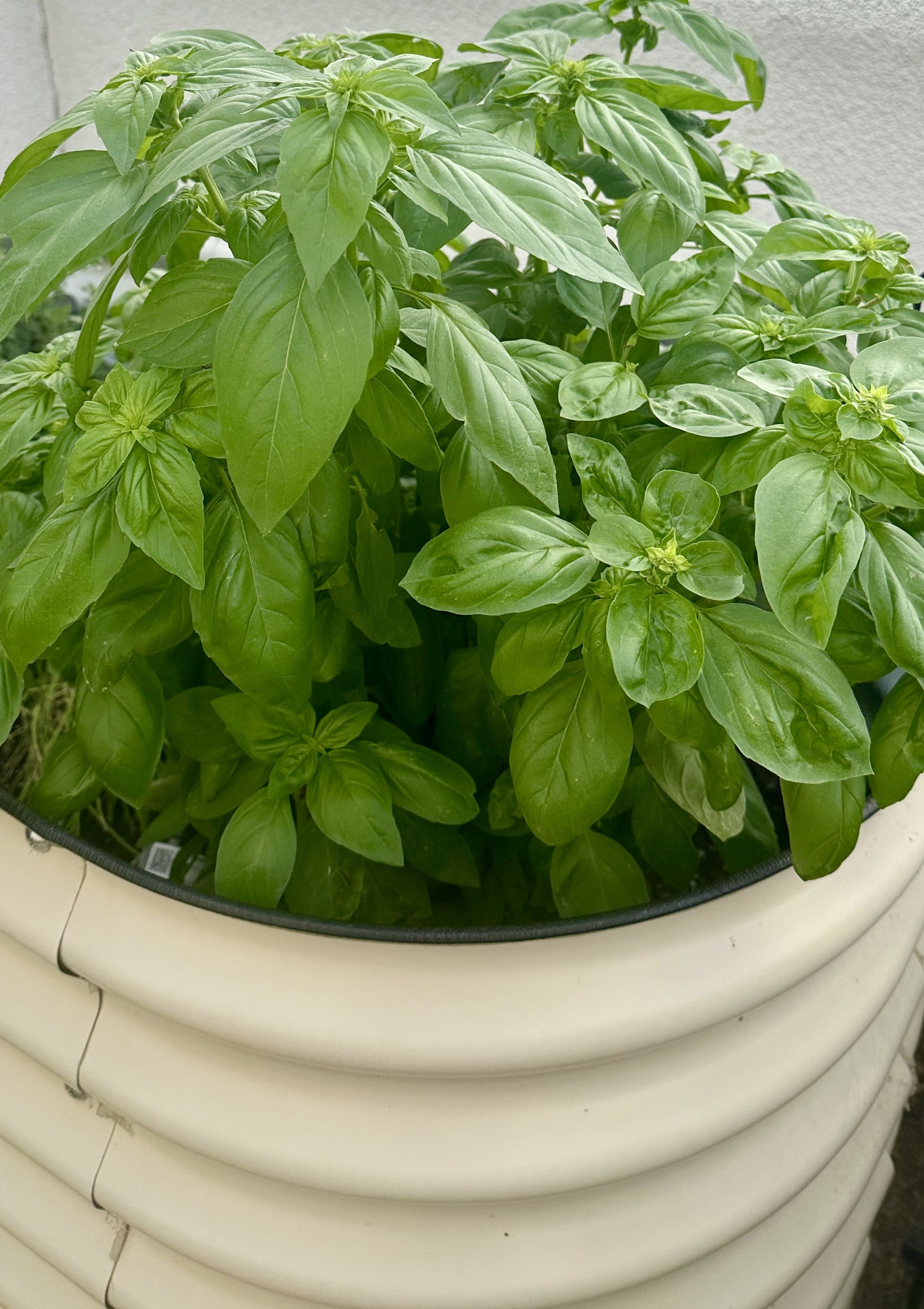
Basil thrives:
- In raised beds
- In-ground vegetable gardens
- In patio containers
- In window boxes
If you’re working with a small side yard or patio, basil does beautifully in pots placed near seating areas. The scent alone makes it worth growing.
Growing Basil Indoors
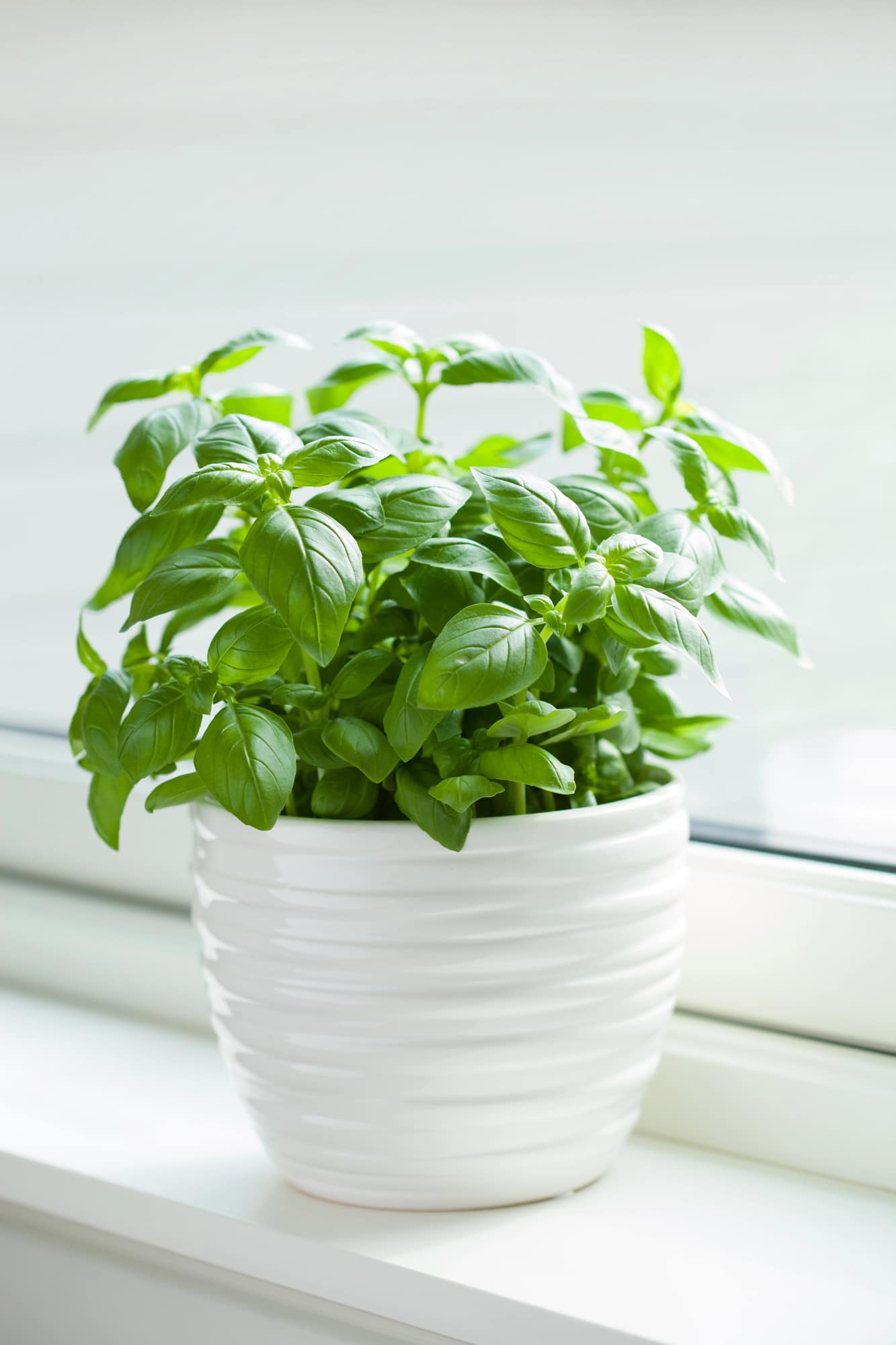
If you’re growing basil inside:
- Place it in a south-facing window if possible.
- Rotate the pot weekly so all sides receive light.
- Consider a grow light if your space is dim.
Indoor basil needs more attention to light than outdoor basil — but it’s absolutely doable.
Soil and Container Setup
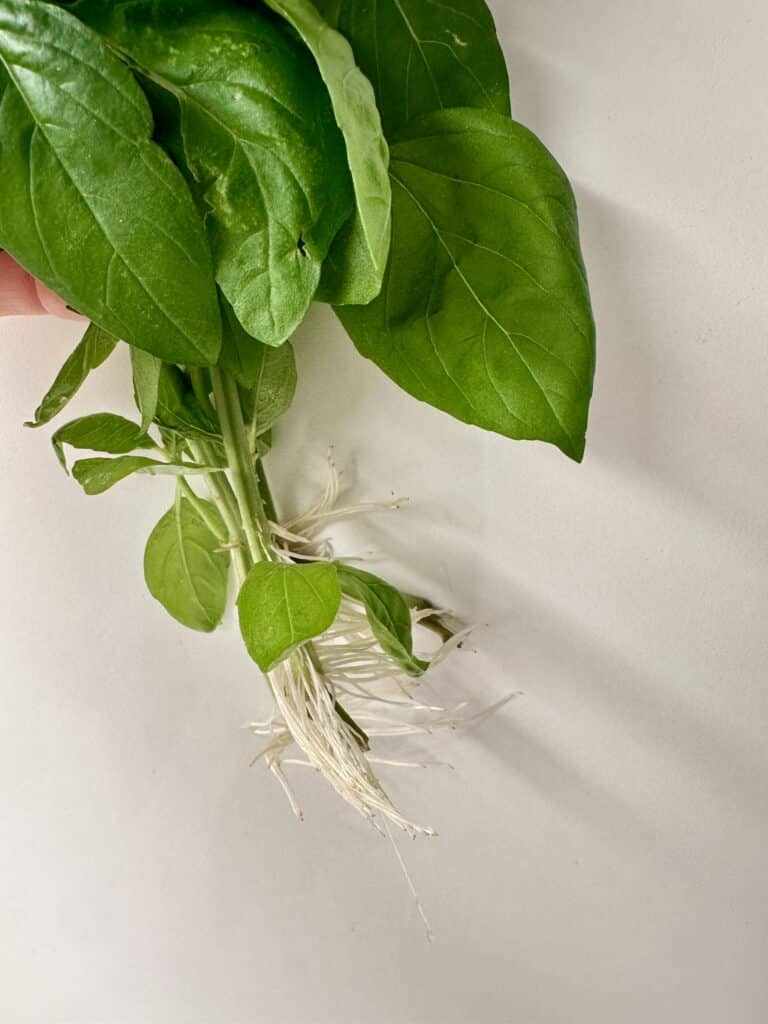
Basil likes soil that drains well but stays lightly moist.
Use a quality potting mix rather than heavy garden soil if planting in containers. Basil roots don’t like sitting in soggy soil — that leads to rot quickly.
If you’re planting in a pot:
- Choose one at least 6–8 inches deep.
- Make sure it has drainage holes.
- Avoid overcrowding multiple plants in one small container.
Crowded basil competes for nutrients and airflow, which leads to smaller leaves and more disease problems.
How to Water Basil Properly
Basil prefers consistent moisture.
The soil should feel slightly damp but never waterlogged. Stick your finger about an inch into the soil:
- If it feels dry, water.
- If it feels wet, wait.
Water at the base of the plant rather than overhead. Wet leaves combined with heat can encourage fungal issues.
During peak summer heat, container basil may need daily watering. In cooler seasons, less frequent watering is fine.
If leaves turn yellow and droopy, you may be overwatering. If they wilt and feel thin, the plant likely needs water.
The Secret to Growing Big, Bushy Basil
This is the step most people skip.
Basil does not naturally grow bushy. It grows upward. If you never prune it, it becomes tall and sparse.
The key is pinching and harvesting correctly.
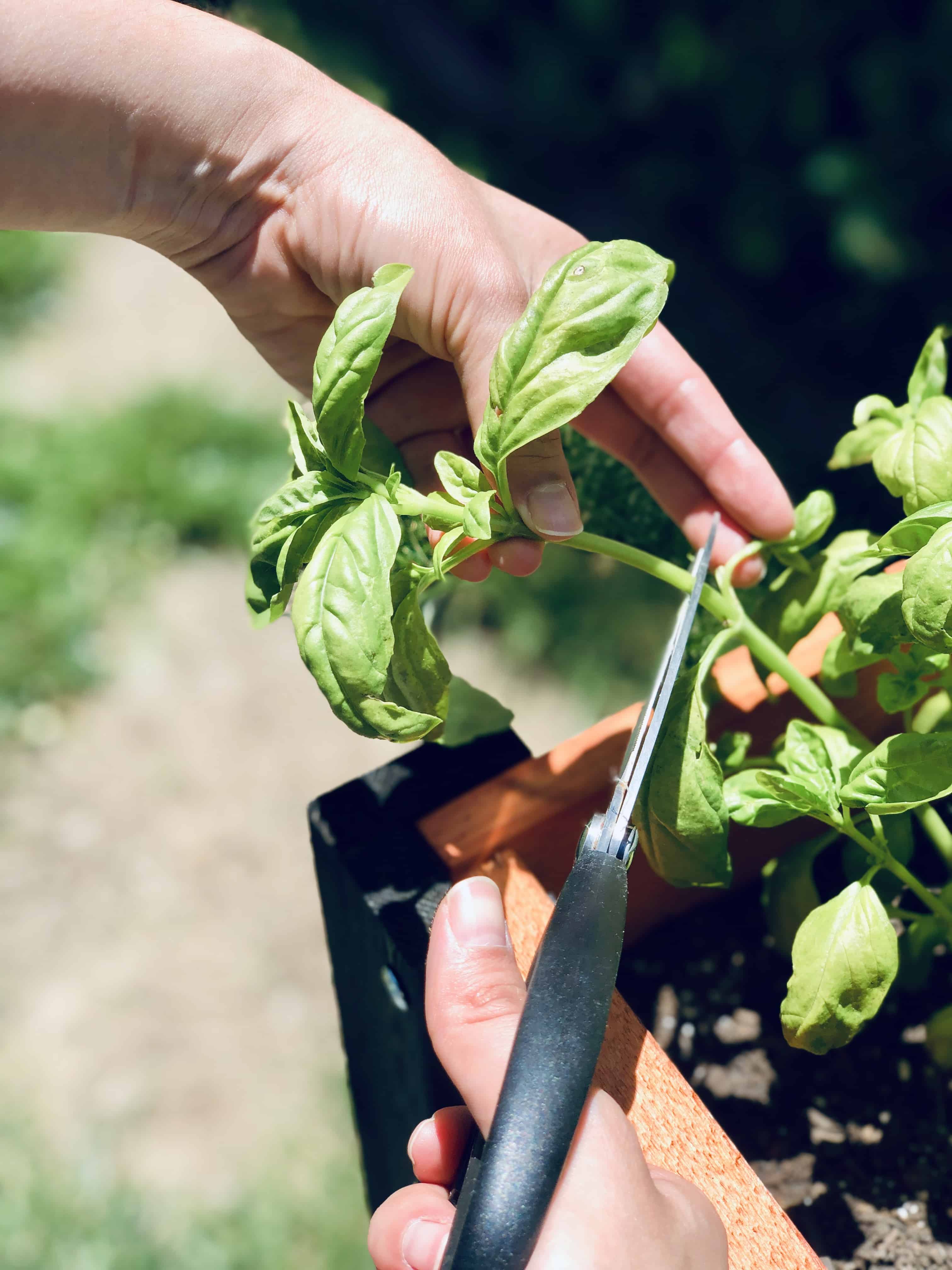
When your basil plant reaches about 4–6 inches tall and has several sets of leaves:
- Look for a pair of leaves growing opposite each other.
- Cut just above that leaf node.
- Two new stems will grow from that point.
Every time you prune like this, you double the stems. More stems mean more leaves.
Continue this method all season. Never just pluck random leaves — always cut stems above a node to encourage branching.
Preventing Basil from Flowering (Bolting)
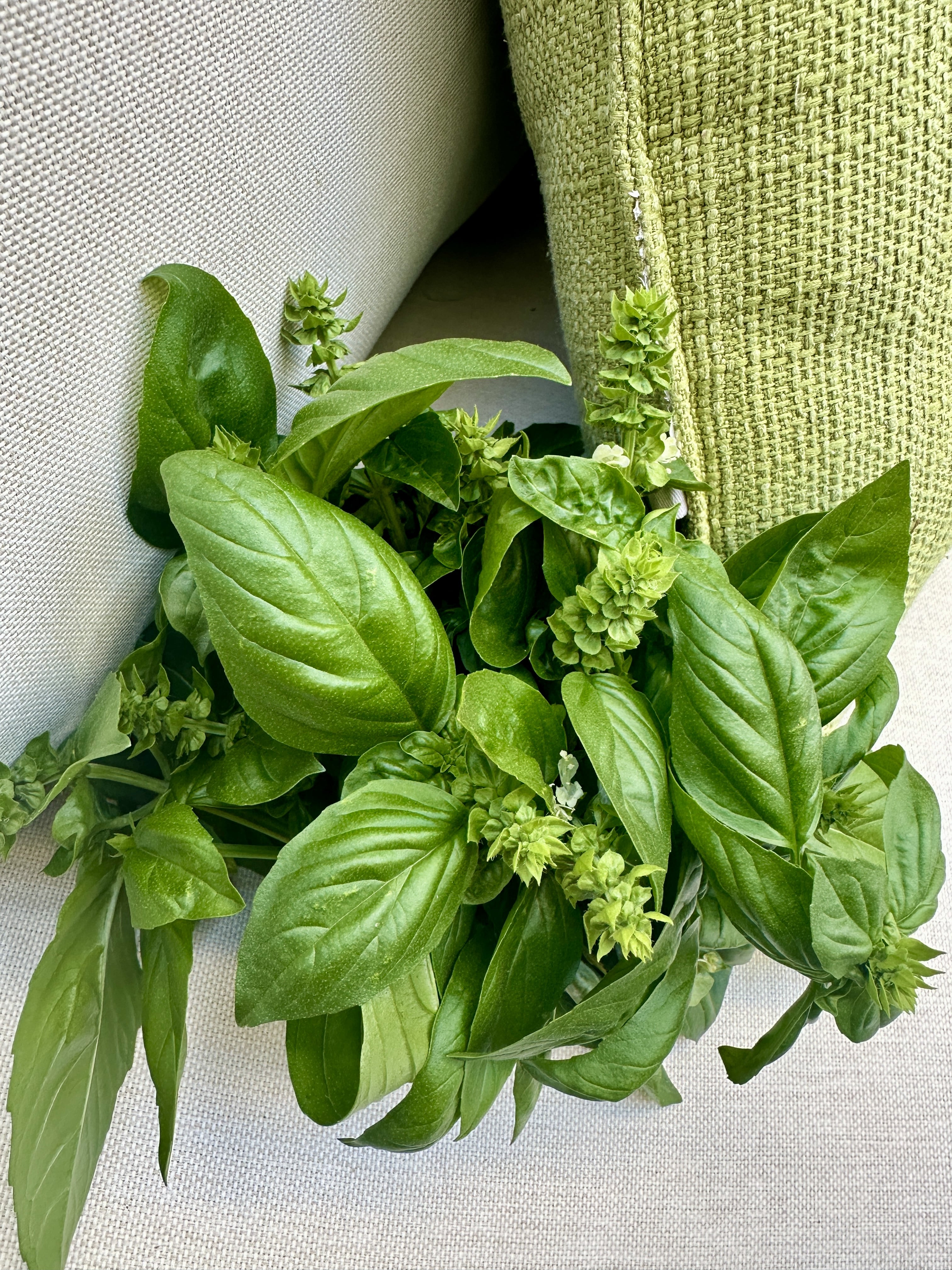
Eventually, basil tries to flower. When it does:
- The leaves become smaller.
- The flavor becomes more bitter.
- Growth slows.
As soon as you see a flower spike forming, pinch it off.
Removing flowers redirects the plant’s energy back into leaf production. With consistent pruning, you can delay flowering significantly.
How to Harvest Basil for Continuous Growth
Harvesting is actually part of caring for basil.
Never remove more than one-third of the plant at a time. This keeps it healthy and growing.
The best time to harvest is in the morning, after the dew has dried but before the sun is intense. This is when flavor oils are strongest.
Cut full stems instead of picking individual leaves. This keeps the plant balanced and encourages that full, rounded shape.
Common Basil Problems (And Quick Fixes)
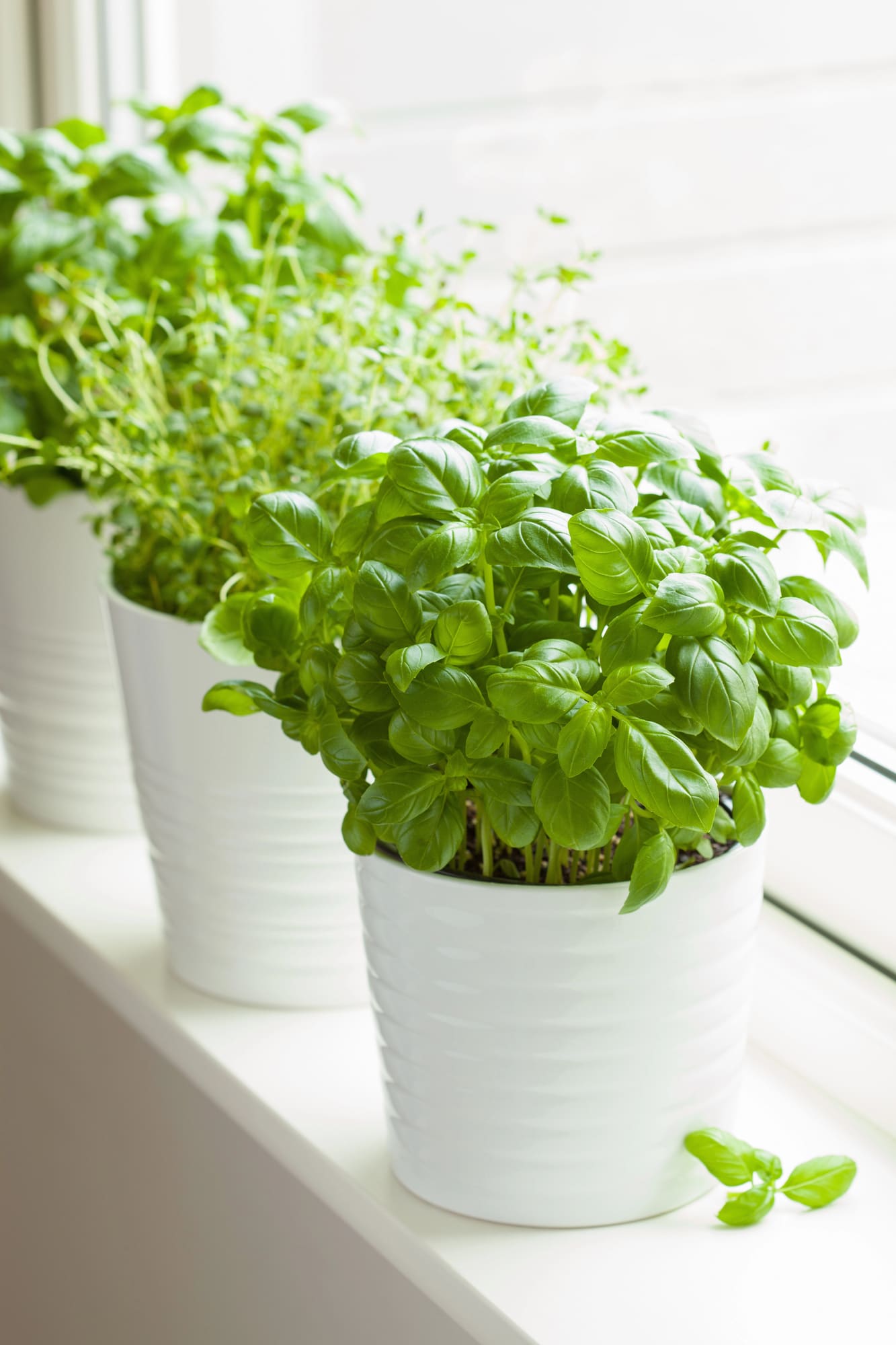
Leggy Growth
Cause: Not enough sunlight
Fix: Move to a sunnier location and prune aggressively.
Yellow Leaves
Cause: Overwatering or poor drainage
Fix: Improve drainage and allow soil to dry slightly between waterings.
Small Leaves
Cause: Lack of pruning or nutrients
Fix: Pinch regularly and consider light fertilizing with a balanced organic fertilizer.
Pests (Aphids or Spider Mites)
Fix: Spray gently with water or use a mild insecticidal soap.
Basil is resilient. Most issues are easy to correct once you adjust light and watering.
Growing Basil from Seed vs. Starter Plants
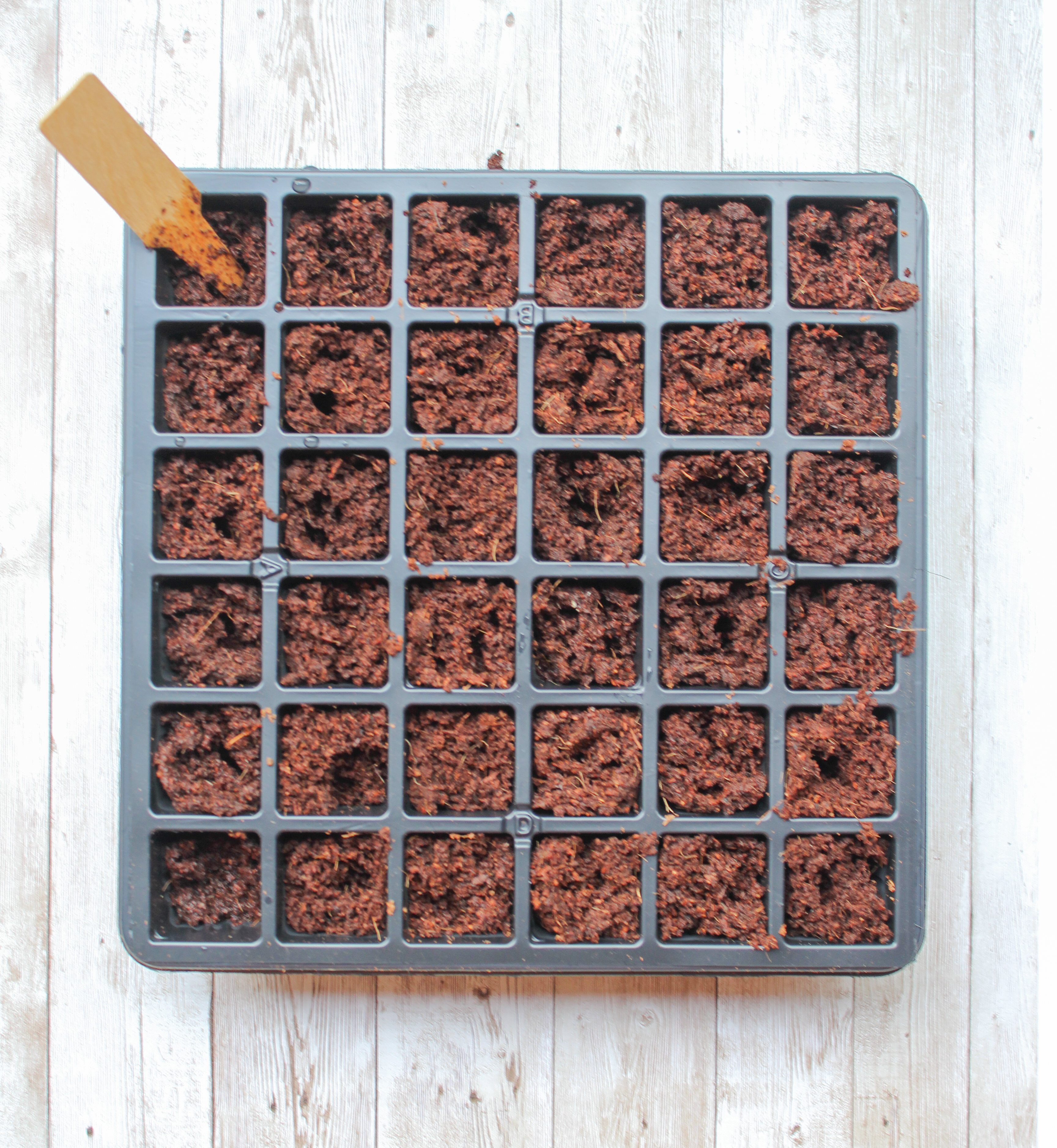
You can grow basil either way.
From Seed
- Very affordable.
- Germinates in 5–10 days.
- Start indoors before your last frost date.
Starter Plants
- Faster results.
- Ideal if you want immediate harvests.
- Gently loosen roots before transplanting.
If you want instant impact for patio styling, starter plants are the quickest way to create fullness.
How to Store Fresh Basil
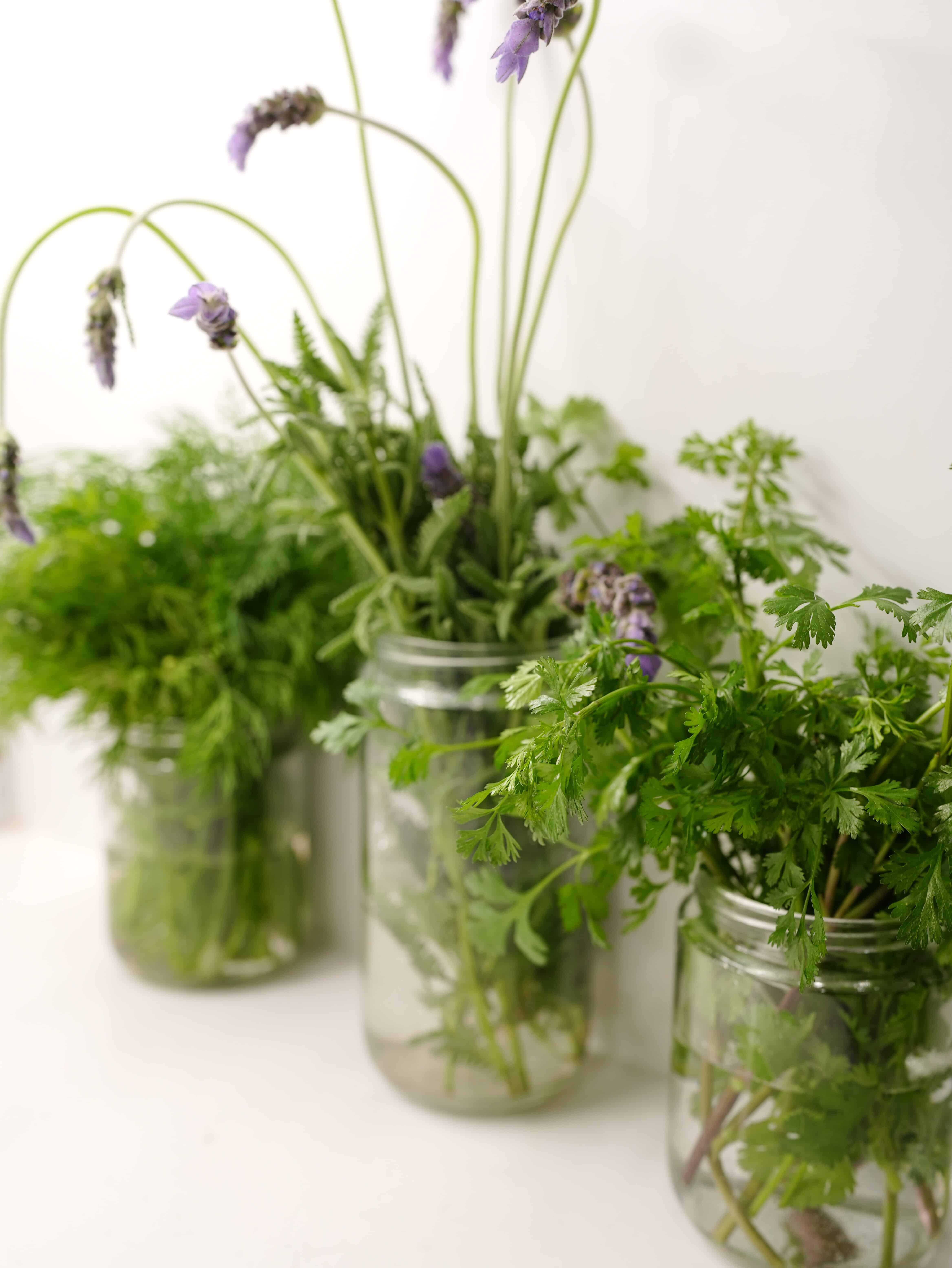
Once you start harvesting, you’ll want to preserve it properly.
For short-term storage:
- Trim stems.
- Place in a jar of water like a bouquet.
- Keep at room temperature.
Avoid refrigerating fresh basil unless absolutely necessary — cold temperatures can blacken the leaves.
For longer storage:
- Freeze chopped basil in olive oil.
- Freeze whole leaves flat.
- Dry leaves for pantry use.
Start Small
Basil doesn’t require a large yard, raised beds, or elaborate systems. One simple pot in full sun is enough.
If you’re building a patio garden, a small herb corner, or just want something green and useful near your kitchen door, basil is the perfect place to start.
Give it sunlight. Water consistently. Pinch often.
Do those three things, and you’ll have a plant that feels abundant, fragrant, and generous all season long.
And once you grow your own basil, store-bought never smells quite the same again.
