How to Care for Snake Plants: The Easiest Houseplant You’ll Ever Own
If you’re looking for a houseplant that can thrive on minimal care, the snake plant is about as close to foolproof as it gets. With its upright leaves, striking patterns, and near-indestructible nature, the snake plant—also known as Sansevieria or Mother-in-Law’s Tongue—has earned its reputation as the perfect beginner plant.
Whether your home is full of sunlight or tucked into shade, this hardy succulent plant adapts beautifully. In this post, you’ll learn exactly how to care for your snake plant so it not only survives—but thrives.
What Is a Snake Plant?
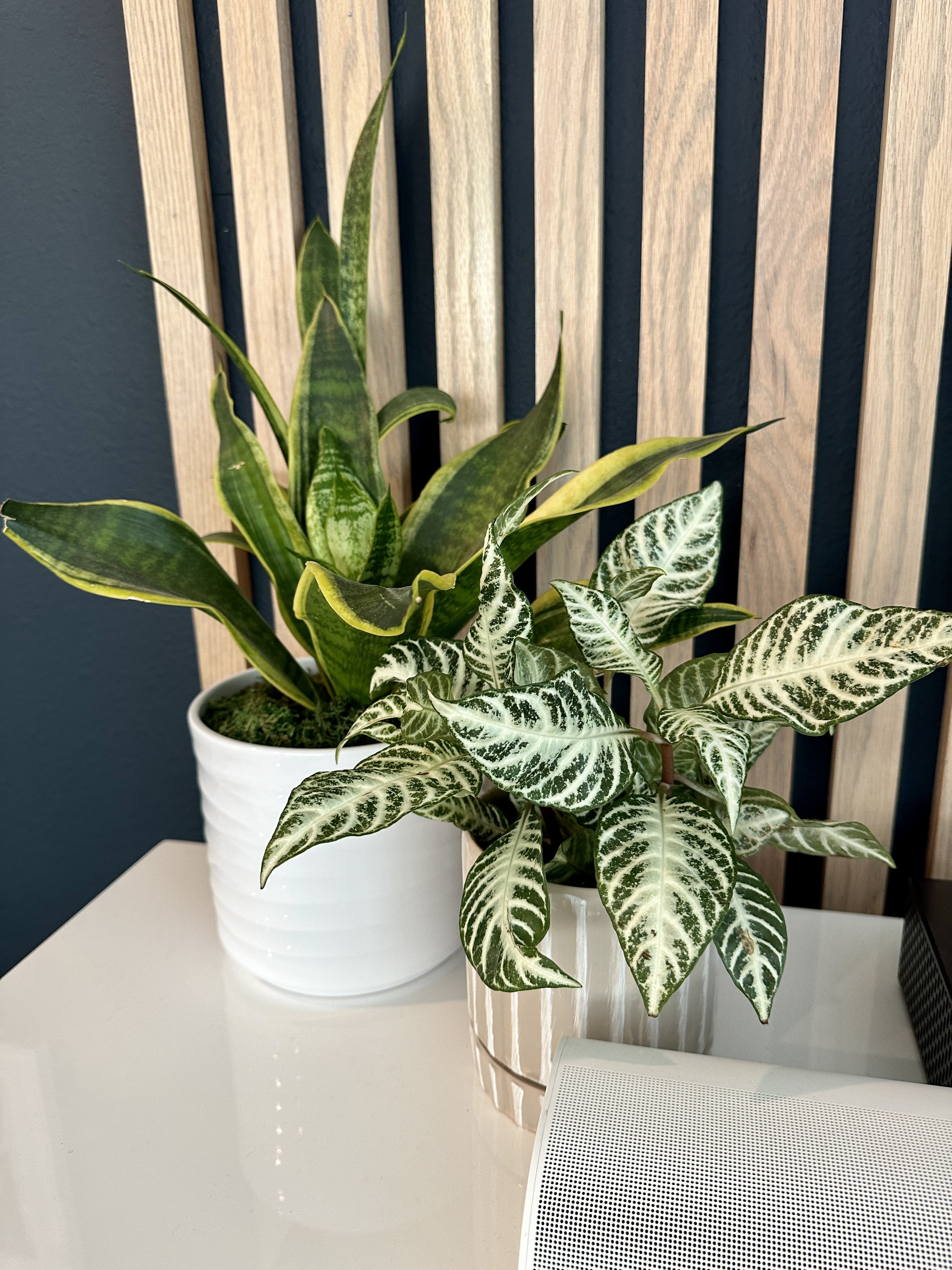
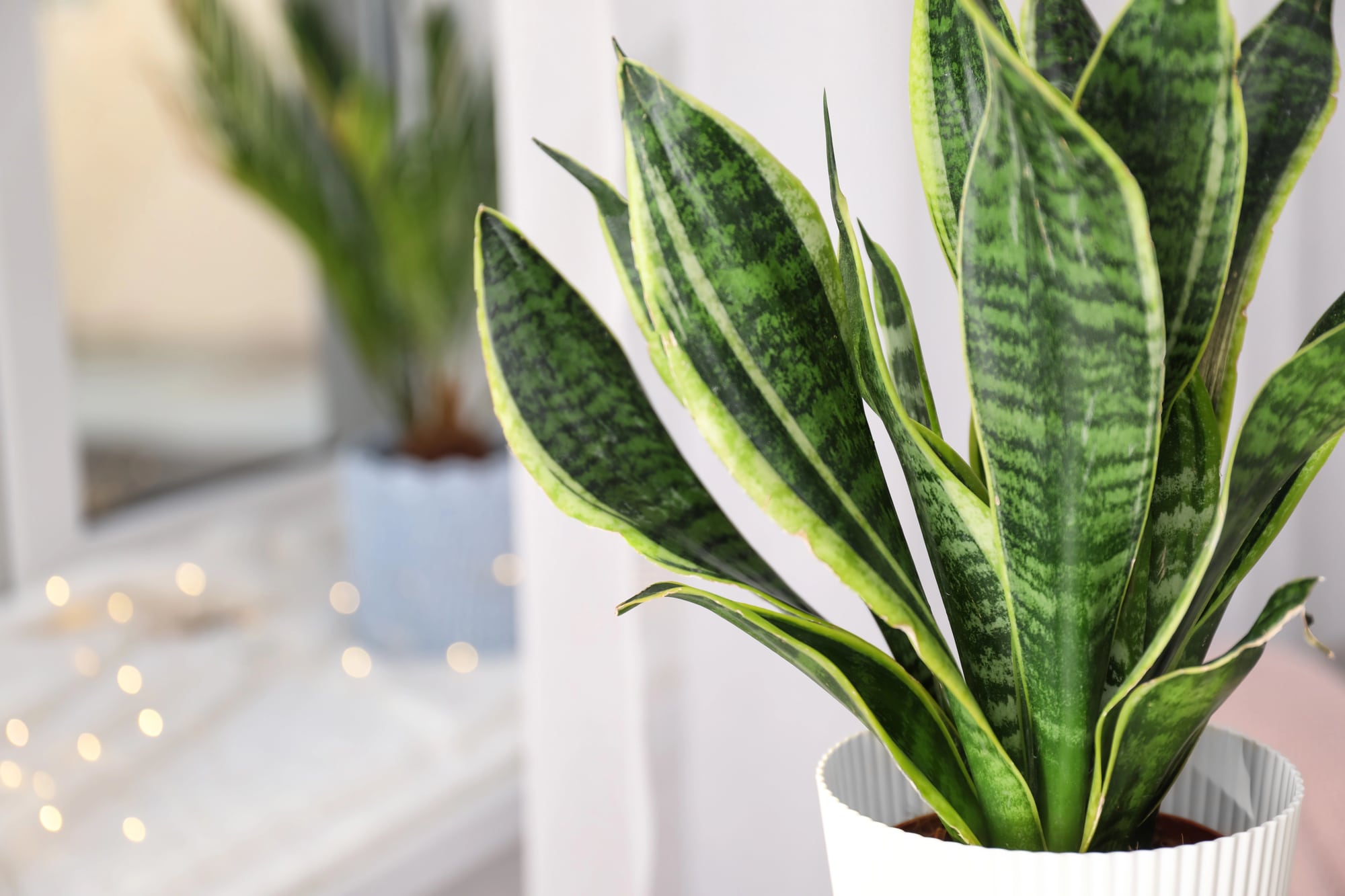
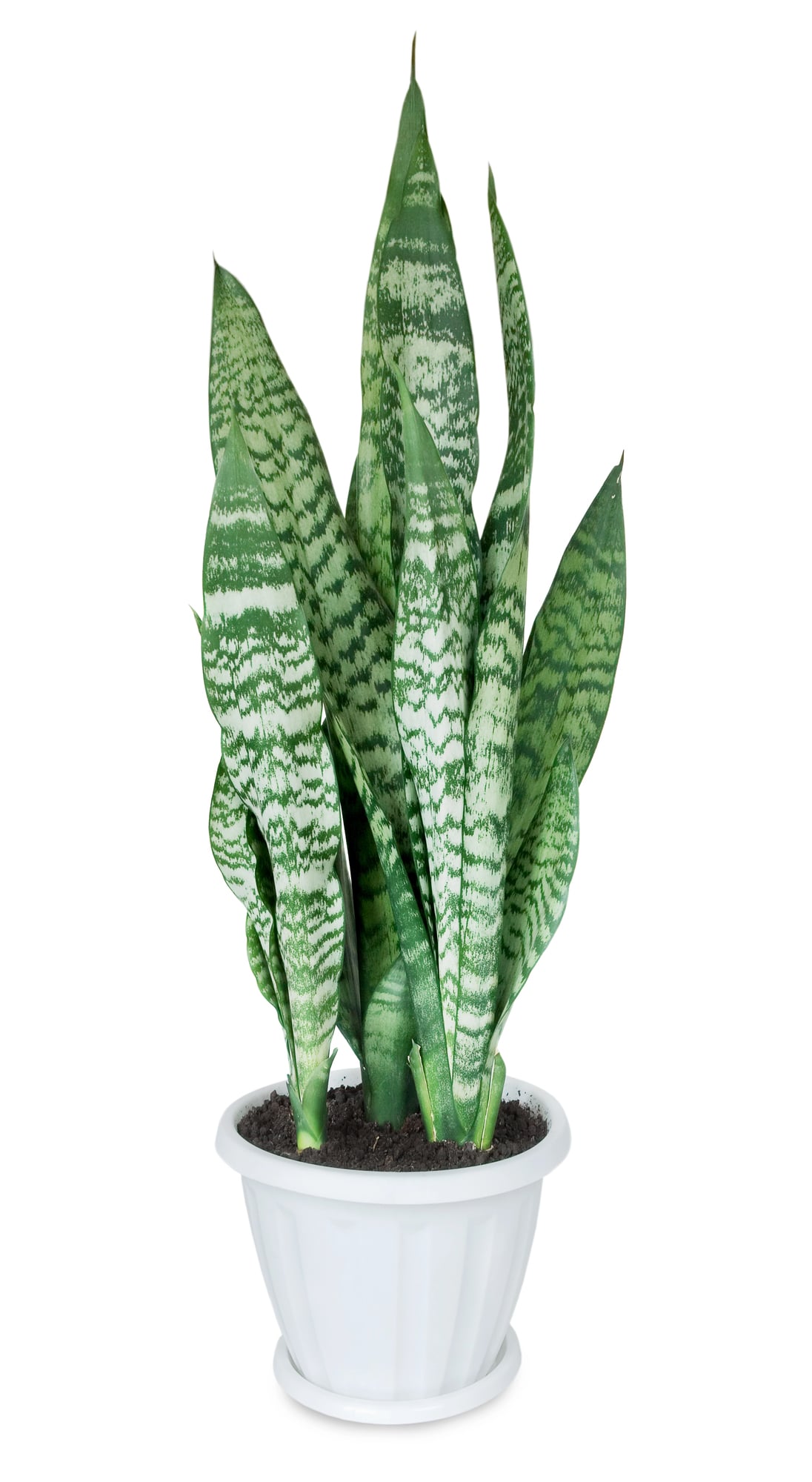
The snake plant is a tropical plant native to West Africa, known for its sword-like leaves that grow straight up from the base. These leaves are often deep green with lighter banding or yellow edging, depending on the variety.
Because of their striking shape and architectural look, snake plants work beautifully in modern, minimalist, or even farmhouse-style homes.
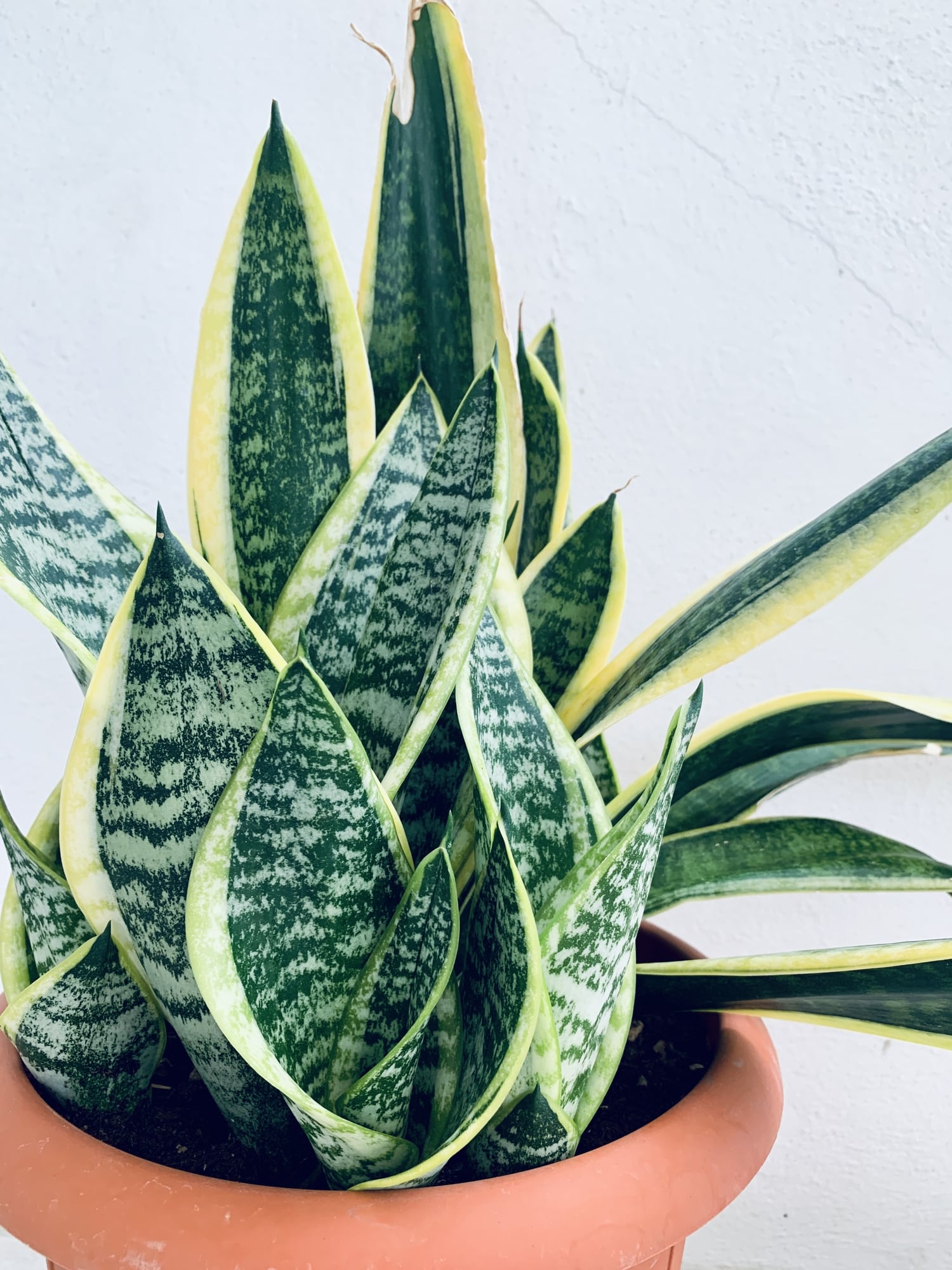
There are several common varieties of snake plants, including the popular Sansevieria trifasciata ‘Laurentii’, which has green leaves with yellow edges, and the softer-toned Moonshine, known for its pale, silvery-green coloring.
You might also come across Sansevieria cylindrica, which has rounded, spear-like leaves that grow in a fan shape. Regardless of the type you choose, the care routine is largely the same.
How Much Light Does a Snake Plant Need?
Snake plants are extremely adaptable when it comes to light. While they prefer bright, indirect sunlight, they can also survive in low-light conditions, such as interior rooms or offices with fluorescent lighting.
If you’re keeping your plant in a sunny space, just make sure it’s not getting hours of direct sun, which can cause the leaves to burn.
That said, snake plants tend to grow more quickly and appear more vibrant when placed in well-lit rooms. If your plant isn’t growing much or its color seems dull, try moving it to a brighter spot.
Just avoid placing it right up against a hot window where the leaves could get scorched.
Watering: The Most Common Mistake
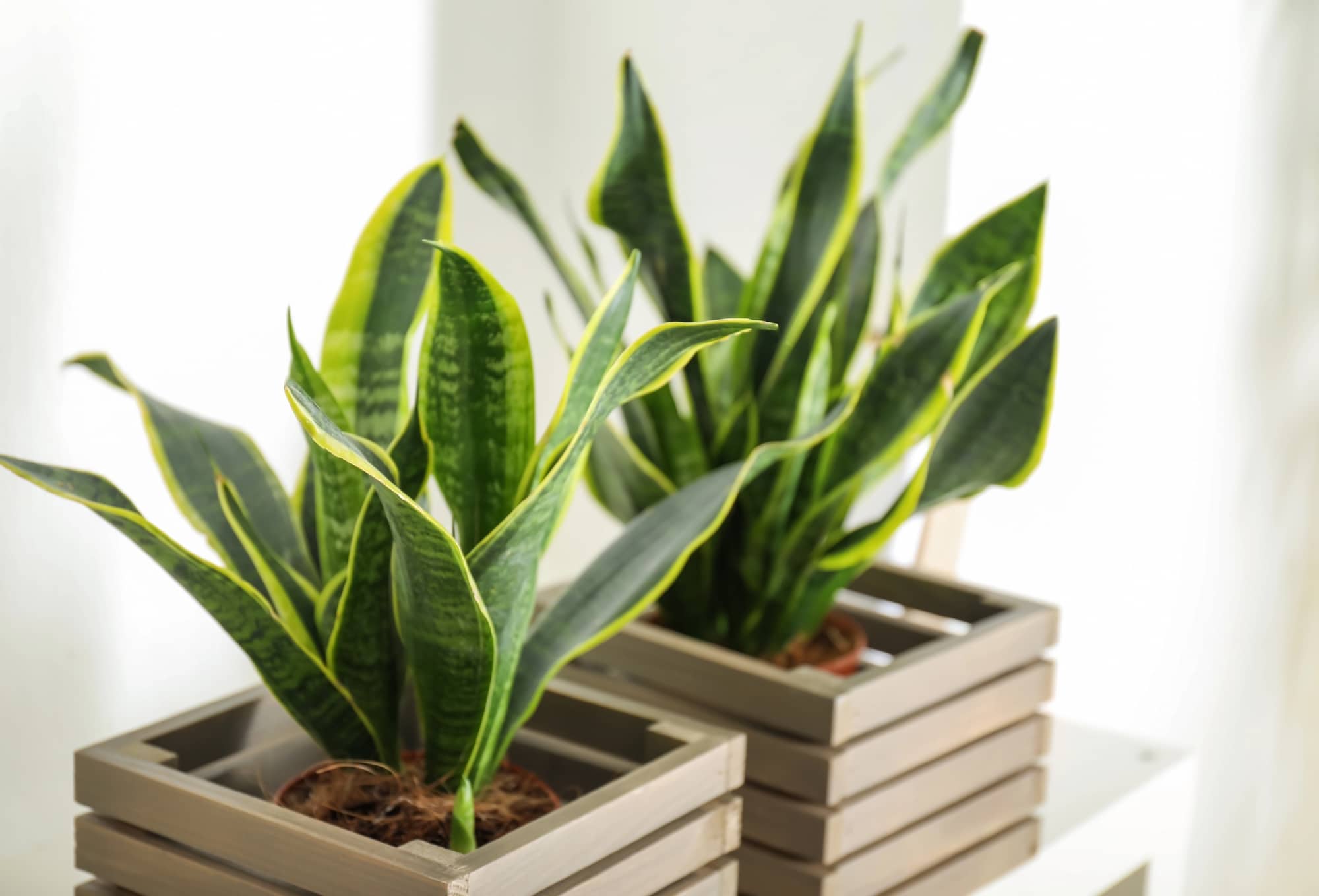
Watering is where many snake plant owners go wrong. This plant does not like to sit in soggy soil, and overwatering is one of the fastest ways to harm it. The roots are prone to rot, so it’s best to let the soil dry out completely between waterings.
A good rule of thumb is to water every two to three weeks during spring and summer, and even less in the cooler months. Stick your finger into the soil—if it feels dry all the way down, it’s time to water.
Always pour off any excess water from the saucer, and never let the plant sit in standing water.
Signs of overwatering include yellowing leaves, mushy stems, and a musty smell from the soil. If your plant is drooping or the leaves feel wrinkled, it may be underwatered—but that’s much easier to fix.
The Best Soil and Pot for Snake Plants
Because snake plants are so sensitive to overwatering, soil choice really matters. Choose a potting mix formulated for succulents or cacti, which typically contains sand or perlite for improved drainage.
Avoid standard houseplant soil unless you amend it to improve aeration.
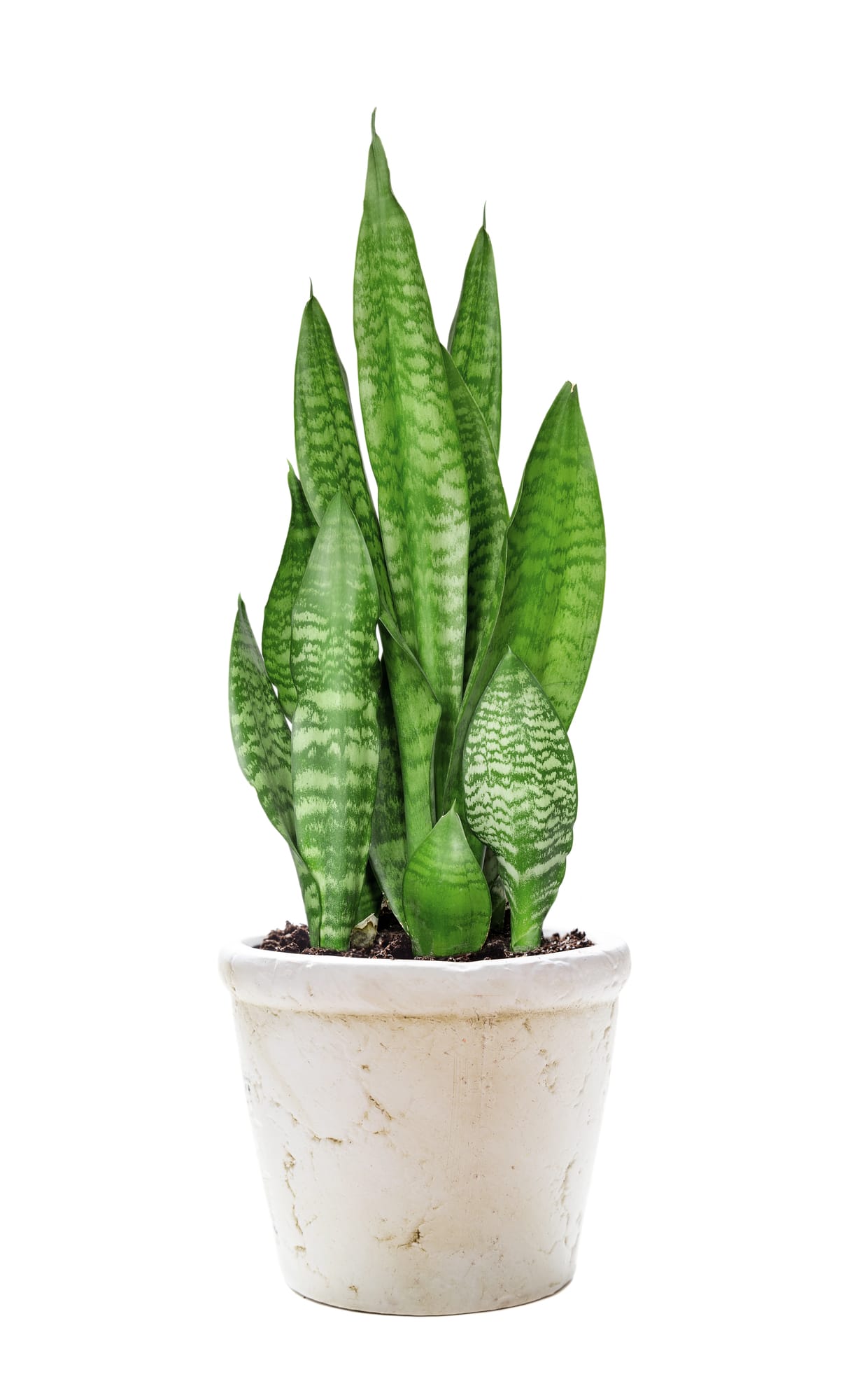
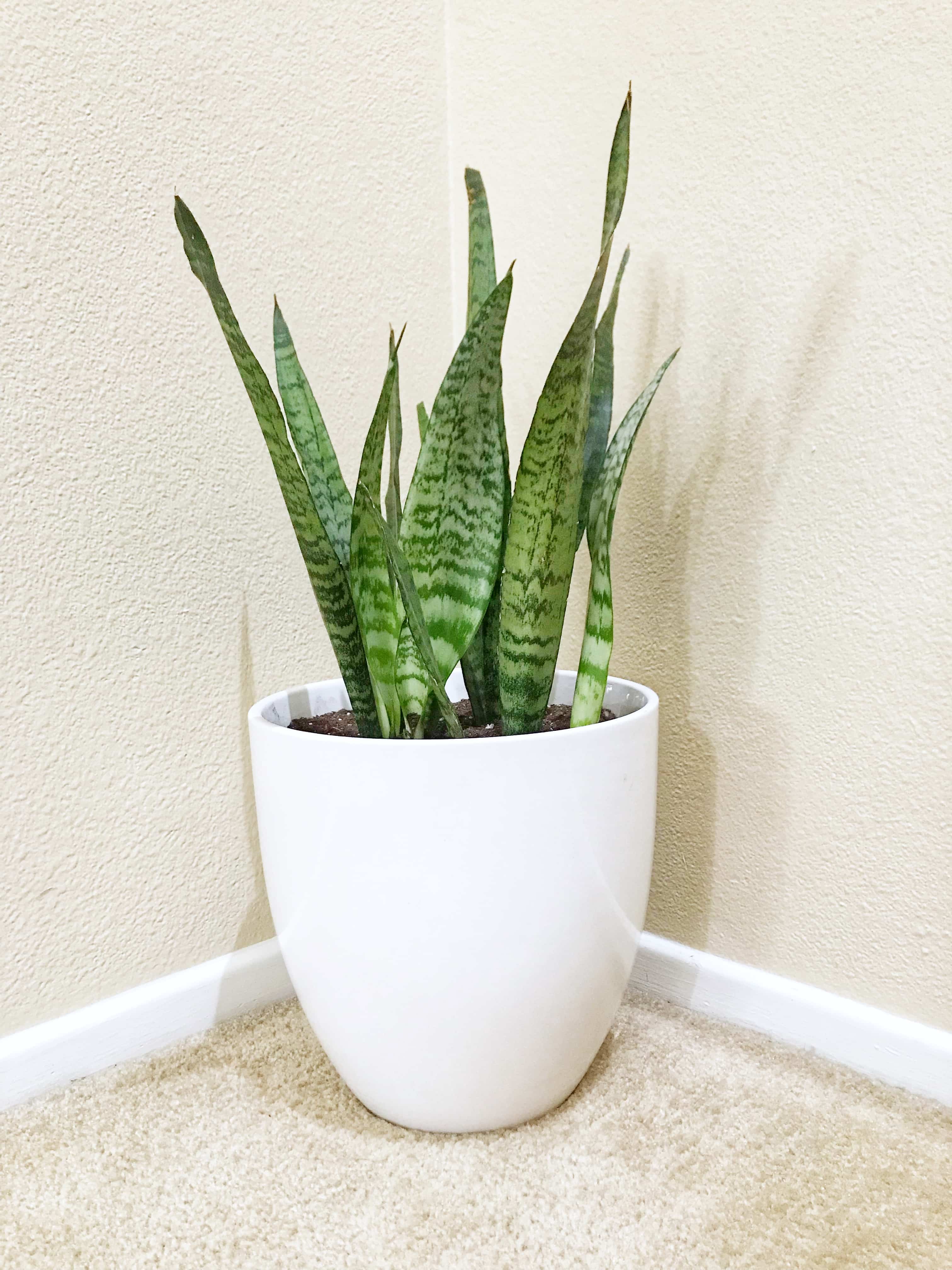
Equally important is the pot. Always choose one with a drainage hole to prevent water from pooling at the bottom. Terracotta pots are a great option because they naturally absorb moisture from the soil, making it easier to avoid overwatering.
Your snake plant won’t need frequent repotting and actually prefers to be a little root-bound. Repot only every two to three years, or if you notice roots pushing out of the drainage hole or circling the pot.
Ideal Temperature and Humidity
One of the reasons snake plants are so popular is because they tolerate a wide range of indoor temperatures. They do best in average household temperatures between 60°F and 85°F.
Just make sure to keep them away from cold drafts or windows during winter, as they don’t do well in temperatures below 50°F.
Humidity isn’t much of an issue either. Snake plants are used to dry conditions and will be perfectly happy in most indoor environments, even during dry winter months.
Fertilizing Your Snake Plant
While snake plants don’t need much fertilizer, giving them a little boost during their active growing season can help them look even healthier.
A diluted, balanced houseplant fertilizer once a month in spring and summer is more than enough. Don’t fertilize in fall or winter when the plant goes dormant—this can do more harm than good.
Less is definitely more when it comes to feeding snake plants. If you notice brown or burned leaf tips after fertilizing, cut back or dilute your fertilizer further.
Common Issues to Watch For
Despite their hardy nature, snake plants can still show signs of stress if something isn’t right. Yellowing leaves almost always point to overwatering.
Brown, crispy edges may be caused by dry air, inconsistent watering, or even the type of water you’re using (tap water with fluoride or chlorine can irritate some plants). If your leaves start curling or you notice small webs or sticky spots, inspect the plant for spider mites or mealybugs.
These issues are rare but treatable.
Trim away any damaged leaves and wipe the rest with a damp cloth. If pests persist, a gentle insecticidal soap should do the trick.
Can You Propagate Snake Plants? Absolutely.
Snake plants are easy to propagate, which makes them a fun choice if you want to multiply your collection or share plants with friends. You can divide the root ball during repotting or try propagating from leaf cuttings.
To propagate by cuttings, cut a healthy leaf into 3–4 inch sections. Let the pieces dry and callous for a few days, then place them in soil or a jar of water with the correct side up.
Roots will eventually form, though it can take several weeks or longer.
Division is faster. When repotting, simply pull apart natural sections of the root ball and place them in their own pots. Water sparingly while they adjust.
If you’ve struggled with houseplants in the past or are just too busy to fuss over one, the snake plant might be your perfect match. It’s tough, striking, and requires very little effort.
With the right light, an occasional watering, and a pot with good drainage, your snake plant will reward you with long-lasting beauty and clean air.
Whether you place it in your bedroom, living room, or office, this plant adds a structured touch of green that never goes out of style.
And once you get the hang of it, don’t be surprised if you find yourself bringing home a second one!
