How to Care for a Rosemary Plant (Indoors or Outdoors)
Rosemary is one of those plants that effortlessly blends beauty, function, and fragrance. With its needle-like leaves and earthy, refreshing aroma, it’s a must-have for any herb garden—whether you’re growing it outdoors in a sunny bed or keeping a small pot on your kitchen windowsill.
This hardy herb is known for being relatively low-maintenance, but there are a few things to know if you want your rosemary plant to thrive season after season. Below, we’ll walk through how to care for a rosemary plant at home, including tips for watering, pruning, and growing it both indoors and out.
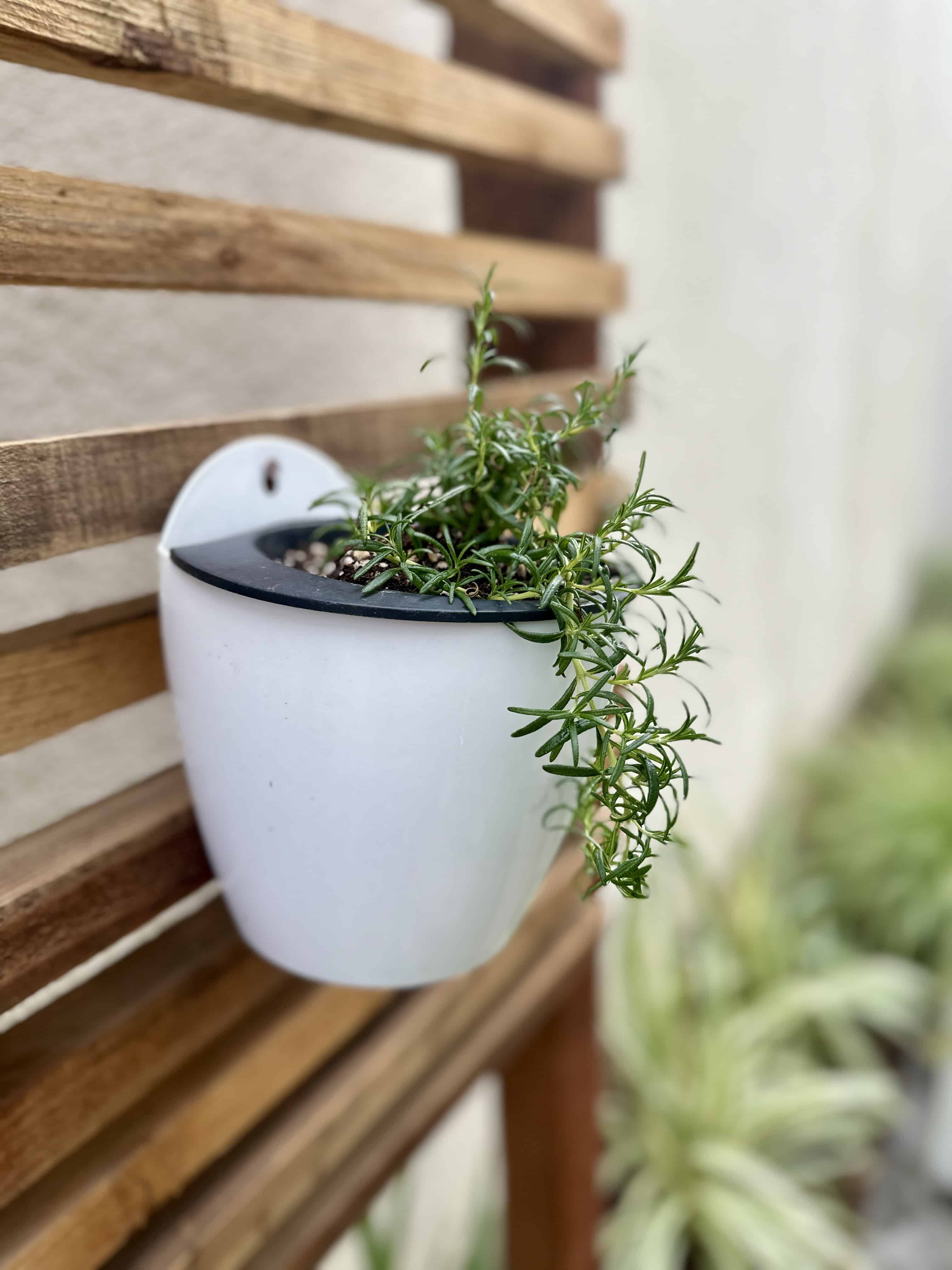
Why Grow Rosemary?
There’s a reason rosemary is a staple in so many home gardens and kitchen counters. It’s not only delicious in everything from roasted chicken to lemon potatoes—it also looks beautiful, gives off a calming scent, and attracts pollinators like bees when grown outdoors.
Rosemary can be used fresh or dried and also makes a lovely addition to homemade gifts like simmer pot blends, herb salt, or even a DIY wreath. Whether you’re a seasoned gardener or just beginning, rosemary is a satisfying herb to grow that offers year-round benefits.

Ideal Growing Conditions for Rosemary
Rosemary thrives in specific conditions that mimic its Mediterranean origins:
- Sunlight: Rosemary loves full sun. Outdoors, choose a spot that receives at least 6 to 8 hours of direct sunlight daily. Indoors, place your plant near a south-facing window or under a grow light if sunlight is limited.
- Soil: This herb needs well-draining soil. Sandy or loamy soil is best, and it doesn’t require rich nutrients like some other plants. If you’re planting in a pot, use a cactus or Mediterranean herb mix—or amend regular potting soil with perlite or coarse sand.
- Temperature: Rosemary does best in warm climates and is perennial in USDA Zones 7–10. If you live in a colder region, keep it in a container that can be brought indoors for winter.
How Often to Water a Rosemary Plant
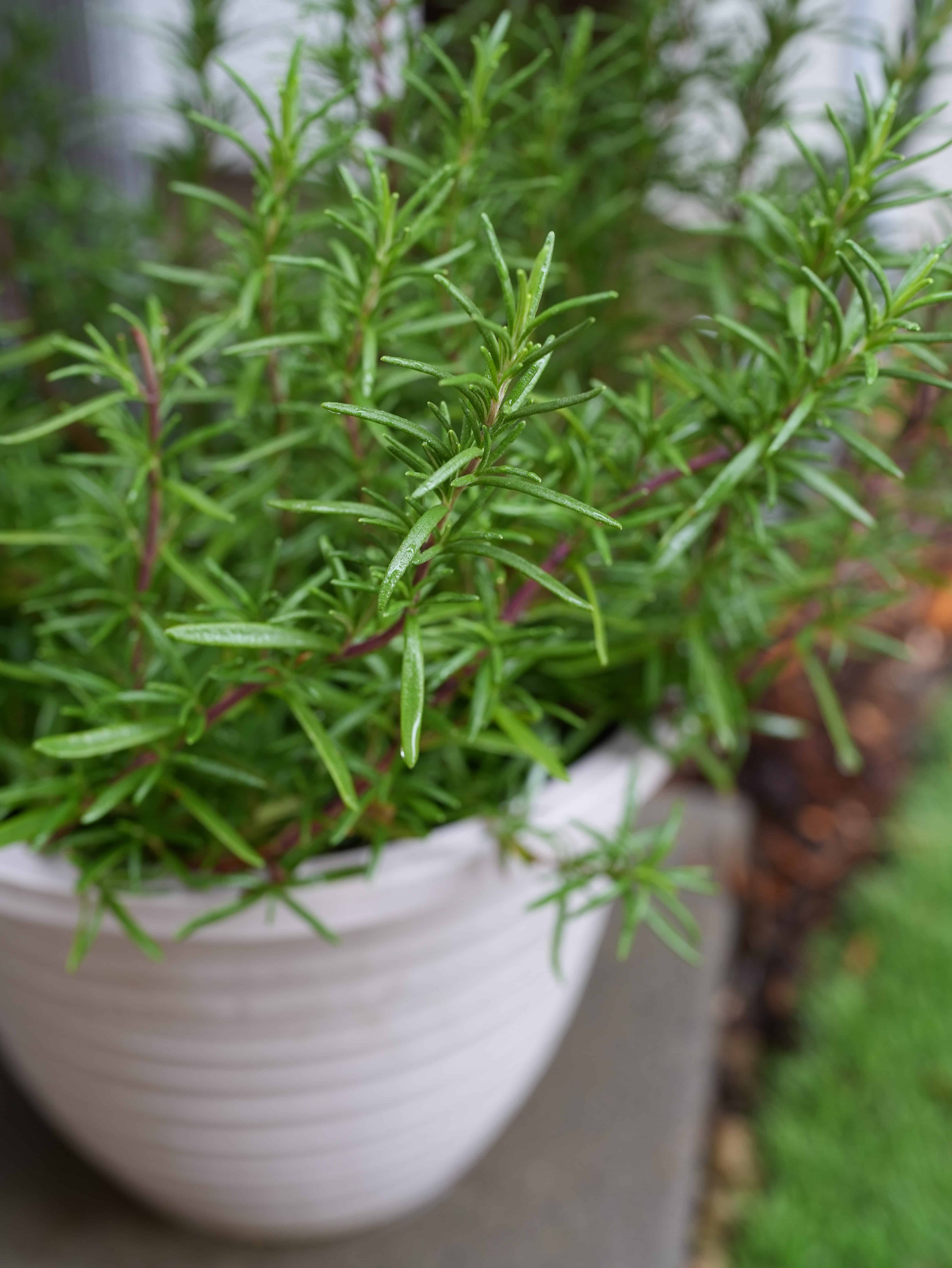
One of the most common mistakes people make with rosemary is overwatering it.
Rosemary is drought-tolerant and prefers slightly dry conditions between waterings. Let the top inch of soil dry out before watering again. When you do water, give it a good soak so the moisture reaches the roots, then make sure excess water drains away.
Signs of overwatering include yellowing leaves, root rot, or a musty smell in the soil. If your rosemary seems droopy or discolored and the soil is wet—pause on watering and check for drainage issues.
Pruning & Harvesting Rosemary
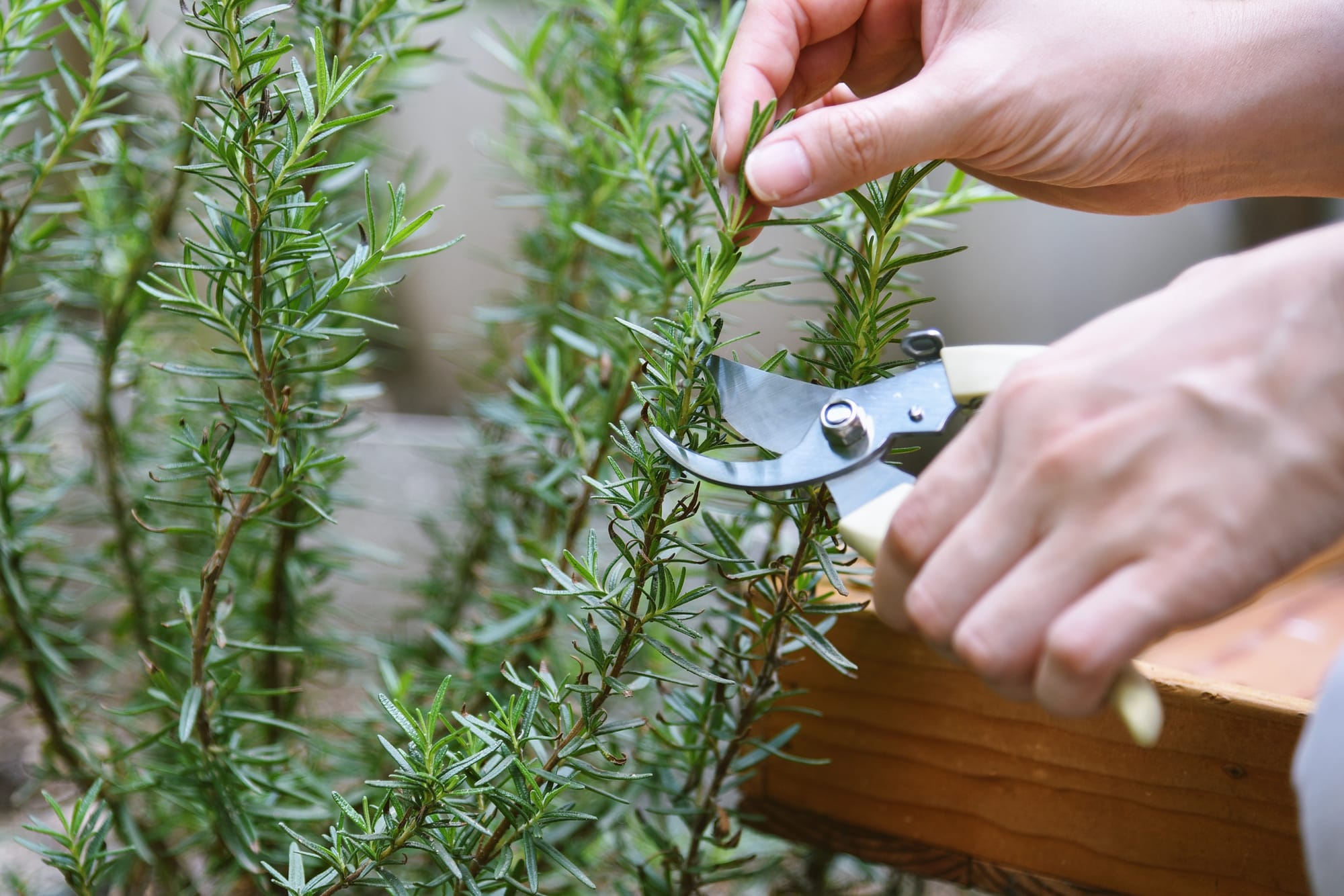
Regular pruning helps keep your rosemary bushy, healthy, and full of fresh growth.
You can begin lightly harvesting once the plant is about 6–8 inches tall. Use clean scissors or garden snips to trim off the soft green stems at the top—avoid cutting into the woody base.
A few pruning tips:
- Pinch back the growing tips regularly to prevent legginess.
- Do a larger trim in early spring to shape the plant.
- Avoid pruning more than one-third of the plant at a time.
By harvesting regularly, you’re not only encouraging new growth, but also stocking your kitchen with fresh, fragrant rosemary all season long.
Growing Rosemary Indoors
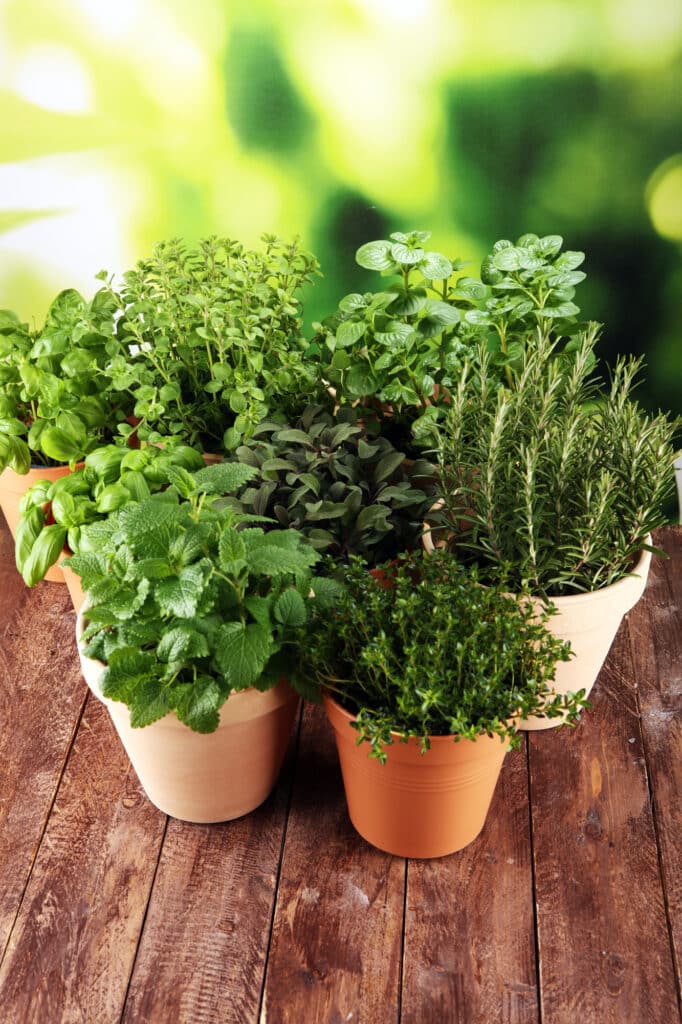
Yes, you can absolutely grow rosemary indoors—but it needs the right conditions.
Place your plant near a bright, sunny window (south-facing is ideal) where it gets at least 6 hours of sunlight. If natural light is limited, a grow light can keep your rosemary happy.
Here are a few tips for indoor care:
- Avoid overwatering, especially in winter.
- Mist occasionally or use a humidity tray to prevent the leaves from drying out.
- Rotate the pot weekly to ensure even growth.
Indoor rosemary also benefits from being brought outdoors in warm weather to get a boost of fresh air and sun.
Potting & Repotting Rosemary
Whether indoors or out, rosemary grows well in containers—just make sure the pot has excellent drainage.
Terracotta pots are especially good choices, as they wick away excess moisture and help prevent overwatering. Choose a pot that’s at least 6–8 inches deep with a drainage hole at the bottom.
As your plant grows, repot every couple of years to refresh the soil and give the roots more space. You’ll know it’s time if the plant becomes root-bound or water runs straight through the pot without being absorbed.
Common Rosemary Plant Problems (and How to Fix Them)
Even with proper care, rosemary can run into a few issues. Here’s how to troubleshoot:
- Yellowing leaves: Usually caused by overwatering or poor drainage.
- Powdery mildew: Appears as white fuzz on leaves—usually due to lack of airflow. Space out plants and trim back thick growth.
- Pests: Aphids or spider mites can appear indoors. Wipe leaves gently or spray with neem oil.
How to Use Fresh Rosemary

Once your rosemary is thriving, here are some fun and practical ways to use it:
- Add sprigs to roasted vegetables, meats, or homemade focaccia.
- Infuse it in olive oil or vinegar for a fragrant kitchen gift.
- Make a DIY Rosemary Simmer Pot with citrus slices and cinnamon.
- Tuck sprigs into cloth napkins or wreaths for seasonal decor.
- Dry and store rosemary for winter use.
It’s an herb that works hard for you—in the garden, the kitchen, and even your home decor.

Caring for a rosemary plant is simple once you understand its preferences: lots of sun, well-draining soil, and minimal water. Whether you’re growing it in a sunny garden bed or a charming kitchen pot, rosemary adds beauty and usefulness to your home year-round.
If you’ve been thinking about adding rosemary to your herb collection, this is your sign to start. It’s a low-fuss plant that brings high reward—and the satisfaction of snipping your own herbs for dinner is hard to beat.
