How to Keep Hanging Baskets Blooming All Spring and Summer
Few garden features feel as welcoming as a hanging basket overflowing with flowers. Suspended near a front door, along a porch railing, or beneath a pergola, these living arrangements bring color and movement to spaces that might otherwise feel empty.
A well-planted basket instantly softens a patio or entryway, creating the kind of charming, garden-inspired atmosphere many of us love to come home to.
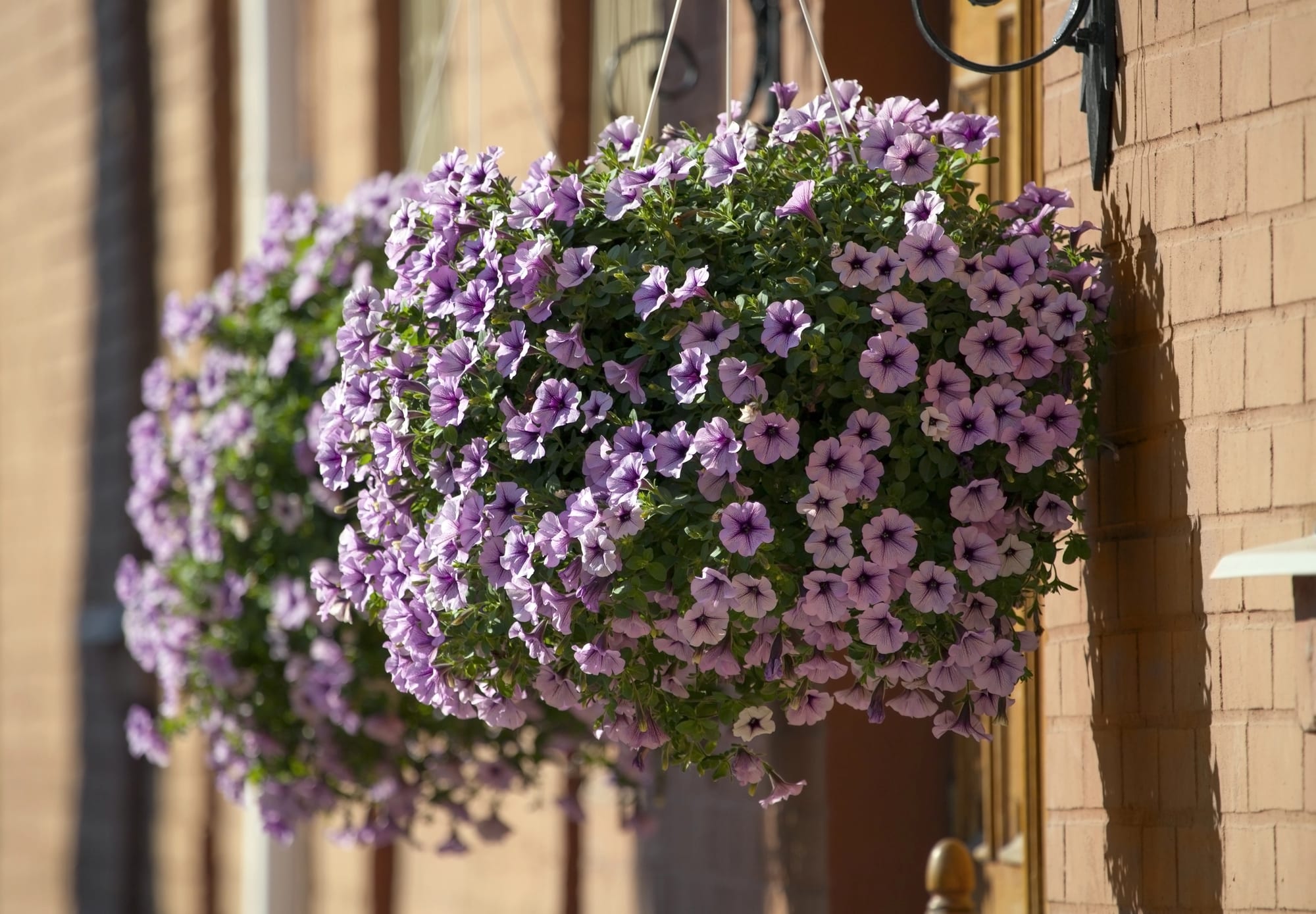
Yet hanging baskets can be surprisingly short-lived if they are not cared for properly. It’s a common frustration: a basket that looks lush and vibrant in May begins to fade by July, with fewer blooms and tired-looking foliage.
The good news is that with a few simple habits, you can keep your baskets looking full and beautiful for months.
With thoughtful watering, occasional pruning, and the right growing conditions, hanging baskets can remain vibrant throughout the entire growing season. These simple practices will help ensure your flowers continue blooming from spring through late summer.
1. Start with Plants That Bloom Continuously
The secret to a long-lasting hanging basket begins with plant selection. Some flowers bloom briefly and then fade, while others are naturally inclined to flower continuously throughout the season.
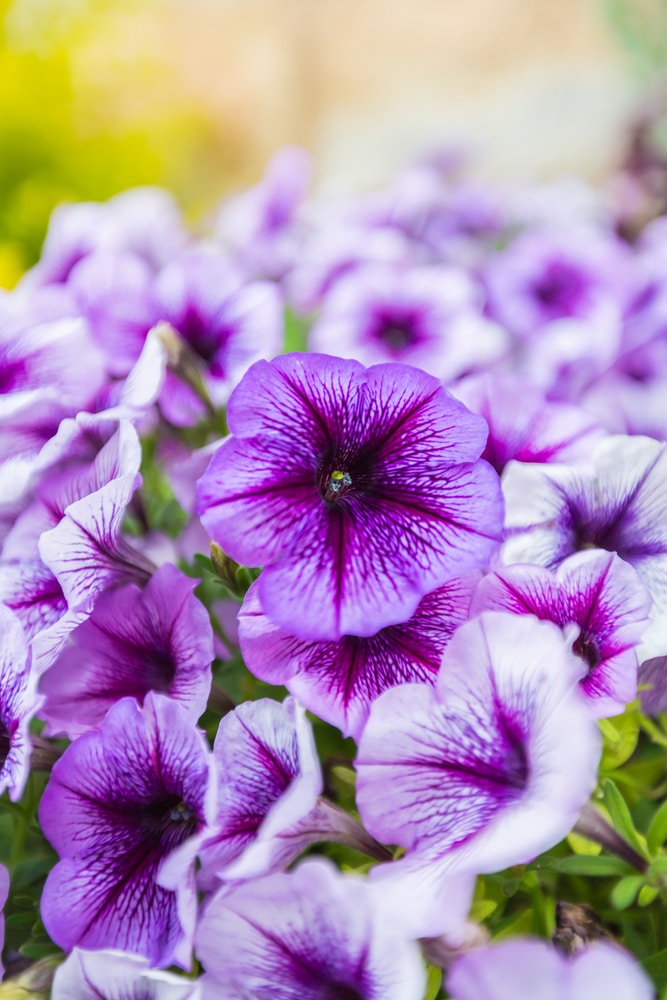
For hanging baskets, it helps to choose varieties known for their long blooming periods and trailing growth habits. Plants such as petunias, calibrachoa (often called million bells), verbena, bacopa, and lobelia are popular choices because they produce abundant flowers for months.
Begonias and fuchsias are also wonderful options, particularly in areas that receive partial shade.
When arranging a basket, gardeners often combine plants with different growth habits. Upright plants add fullness in the center, while trailing varieties spill gently over the sides, creating the lush, cascading look that makes hanging baskets so appealing.
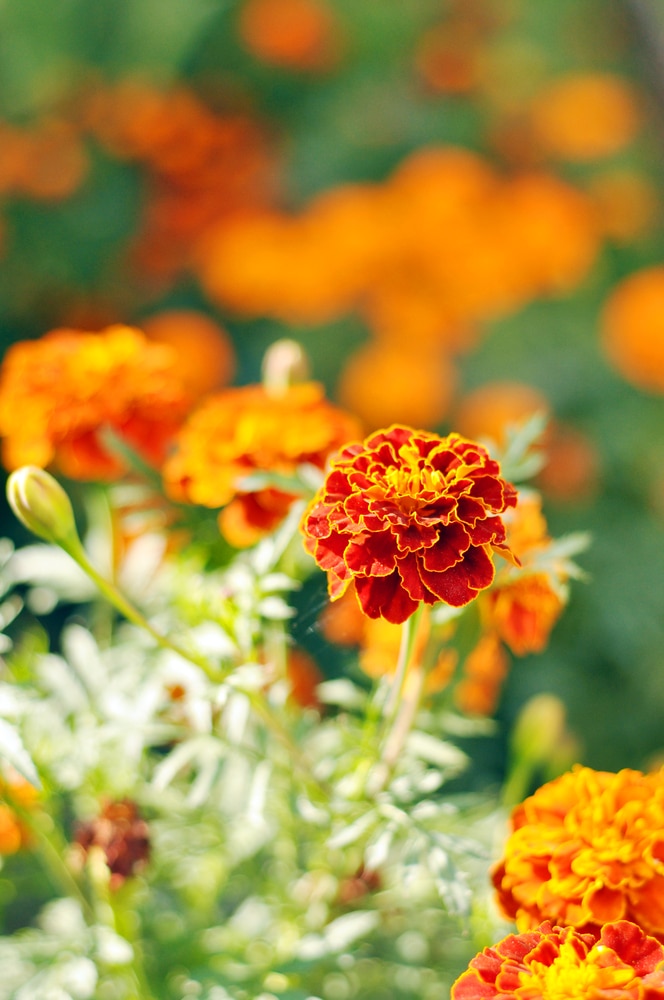
Choosing the right mix from the start sets the stage for a display that continues to look beautiful well into summer.
2. Use Quality Potting Soil Designed for Containers
Unlike plants growing in garden beds, hanging baskets rely entirely on the soil inside the container. Because baskets are exposed to air on all sides, their soil dries out much faster than ground soil, making the quality of the potting mix especially important.
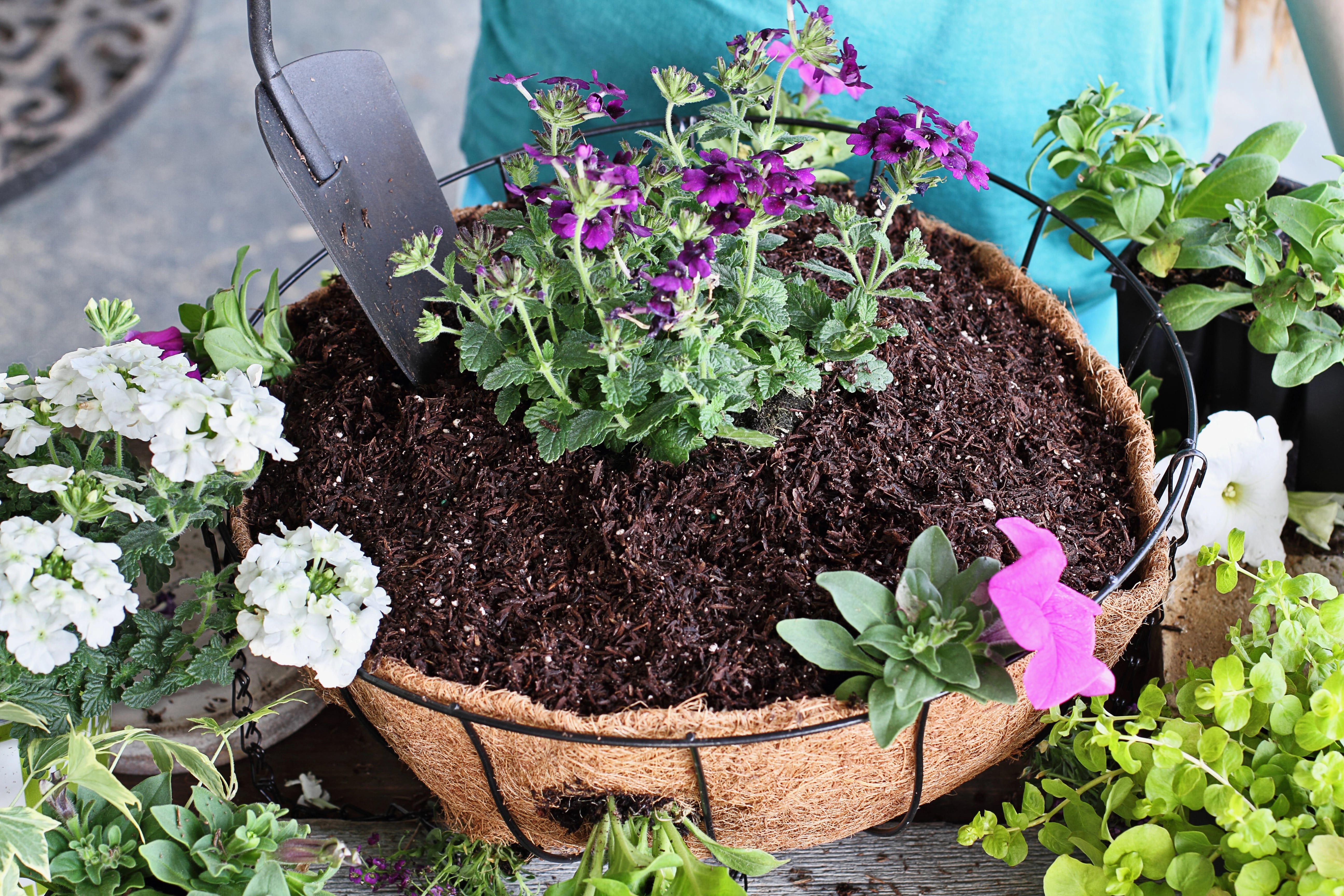
A lightweight potting mix formulated specifically for containers is ideal. These mixes typically include ingredients such as peat moss or coconut coir to help retain moisture, along with perlite or vermiculite to improve drainage.
Many also contain a small amount of slow-release fertilizer to support early plant growth.
Garden soil should be avoided in hanging baskets. It tends to compact inside containers, which restricts air flow around the roots and can prevent plants from absorbing water effectively. A high-quality potting mix keeps roots healthy and allows flowers to grow vigorously.
3. Water Consistently to Prevent Stress
One of the most important factors in keeping hanging baskets blooming is consistent watering. Because baskets hang above the ground and receive constant air circulation, they lose moisture quickly—especially during warm weather.
During spring, watering once a day is often sufficient. As temperatures rise in summer, many baskets benefit from watering twice daily, particularly during heat waves.
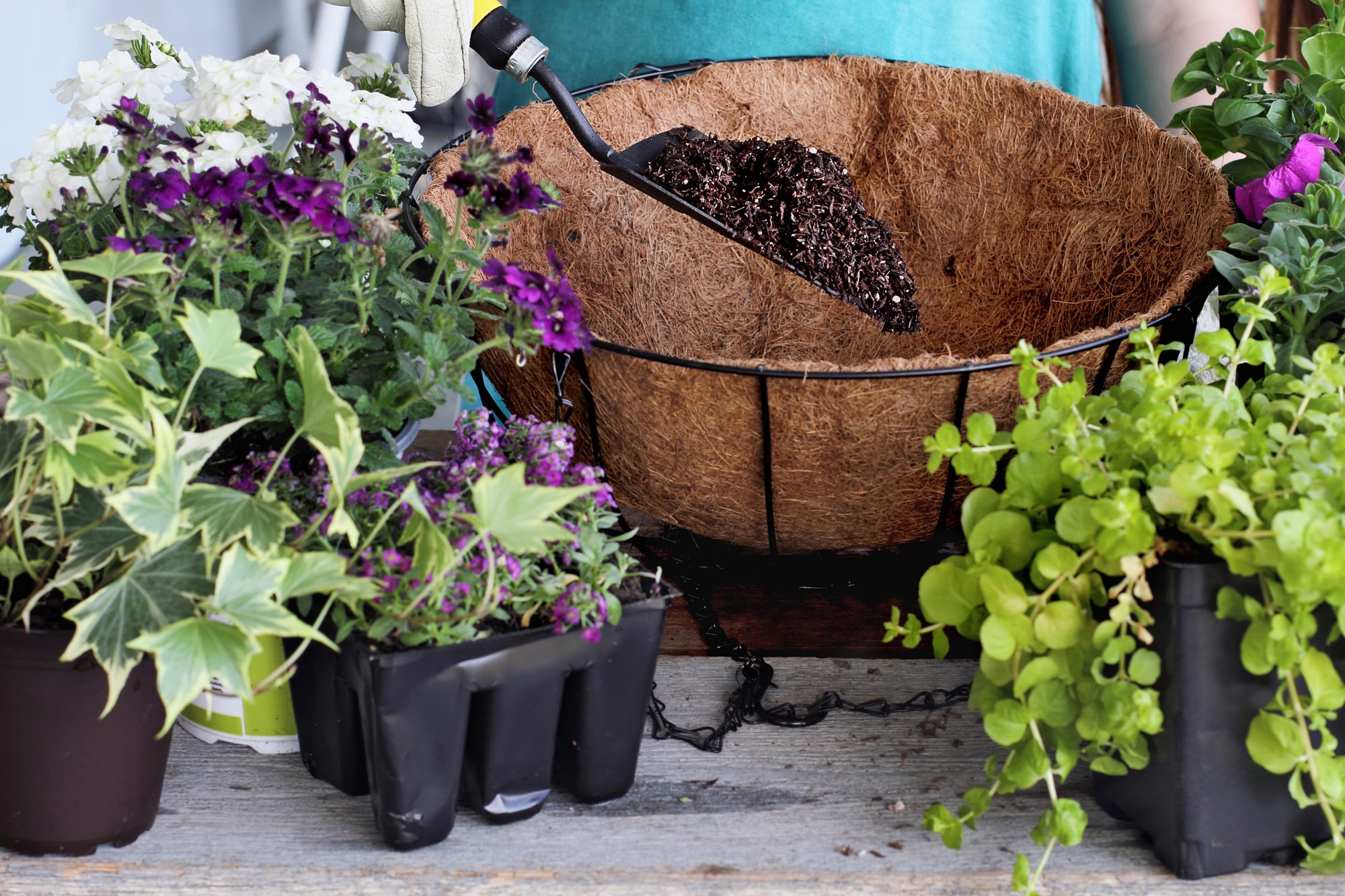
The goal is to keep the soil evenly moist without allowing it to dry out completely.
When watering, it helps to do so slowly and thoroughly. Continue watering until moisture begins draining from the bottom of the basket. This ensures that the entire root system receives adequate hydration rather than just the surface soil.
Plants that experience repeated cycles of drying out may stop producing flowers as they focus on survival rather than growth. Consistent watering helps prevent this stress and encourages ongoing blooming.
4. Feed Your Plants to Encourage Continuous Flowers
Flowering plants require a steady supply of nutrients to keep producing blooms. Even when potting soil contains fertilizer, those nutrients are gradually used up as the season progresses.
To maintain vibrant baskets, gardeners often supplement with liquid fertilizer every one to two weeks.
Fertilizers designed for flowering plants are particularly helpful because they contain nutrients that encourage bloom production rather than excessive leafy growth.
Regular feeding replenishes the nutrients plants need to form new buds and flowers. Without this support, baskets may continue growing foliage while producing fewer blossoms.
A simple fertilizing routine throughout the season can make a noticeable difference in how full and colorful your hanging baskets remain.
5.Remove Faded Flowers to Encourage New Blooms
Another simple habit that promotes continuous flowering is deadheading—the removal of spent blooms.
When a flower fades and begins forming seeds, the plant naturally shifts its energy away from producing additional blossoms.
By removing those faded flowers, you encourage the plant to redirect its energy toward creating new buds instead.
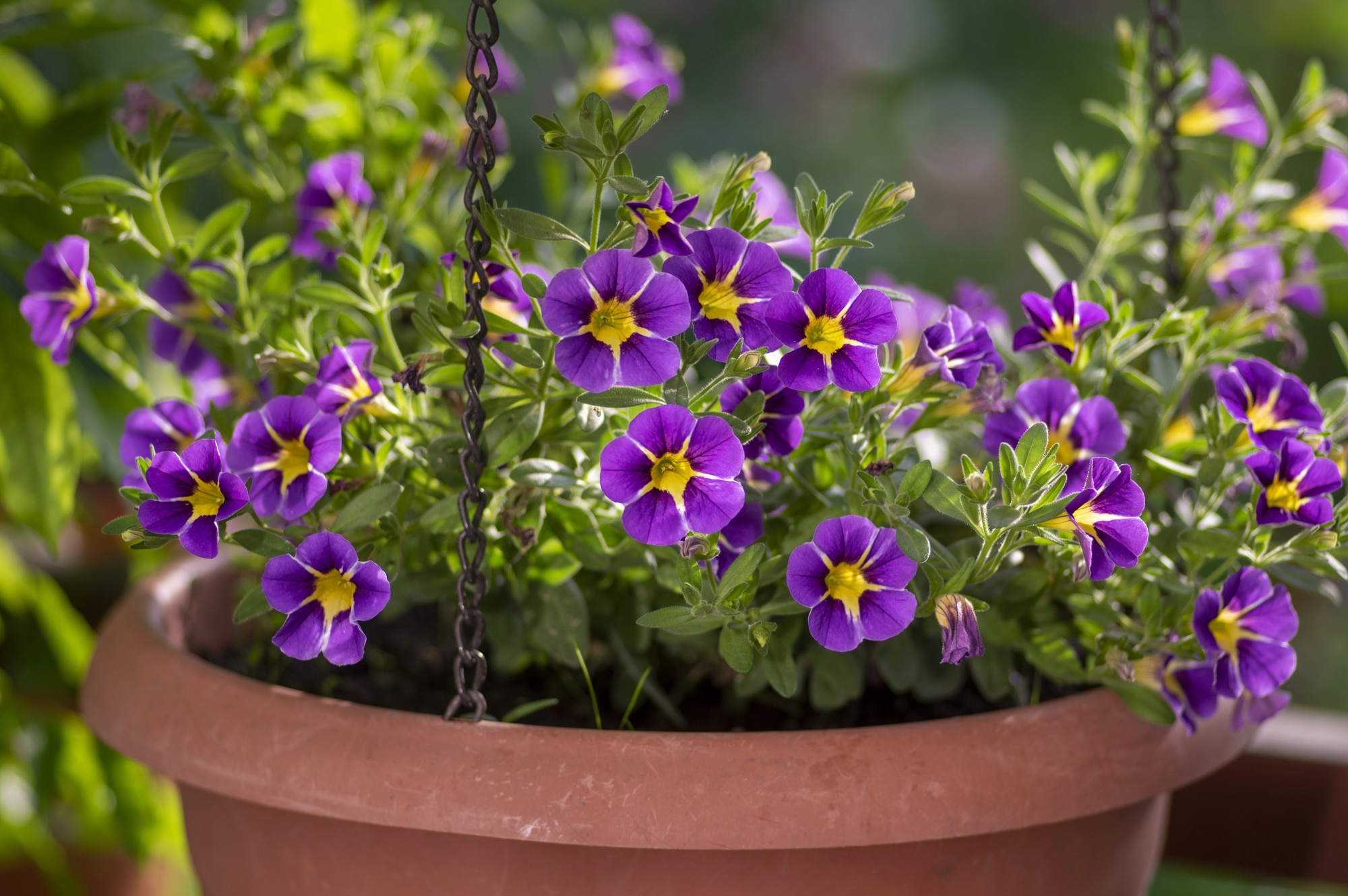
Deadheading can be done quickly while watering or inspecting your baskets. Simply pinch or snip off wilted flowers along with the small stem beneath them. This small task takes only a moment but helps maintain a tidy appearance and encourages a steady stream of fresh blooms.
Many modern varieties are self-cleaning, meaning they naturally drop spent flowers. Even so, occasional tidying can keep baskets looking especially full and vibrant.
6. Trim Back Leggy Growth for Fuller Plants
As the season progresses, some hanging basket plants can begin to stretch or grow unevenly. Long stems with fewer leaves or flowers may make the basket appear sparse.
When this happens, a light trim can help restore fullness. Cutting back some of the longer stems encourages plants to branch out and produce new growth.
Within a short time, this fresh growth often leads to another round of flowers.
Gardeners are sometimes hesitant to prune flowering plants, but most hanging basket varieties respond very well to this type of gentle maintenance. A small trim every few weeks can keep the basket looking balanced and lush throughout the season.
7. Make Sure Your Baskets Receive Enough Sunlight
Most flowering plants grown in hanging baskets thrive in bright sunlight. Petunias, calibrachoa, and verbena, for example, bloom best when they receive at least six hours of direct sunlight each day.
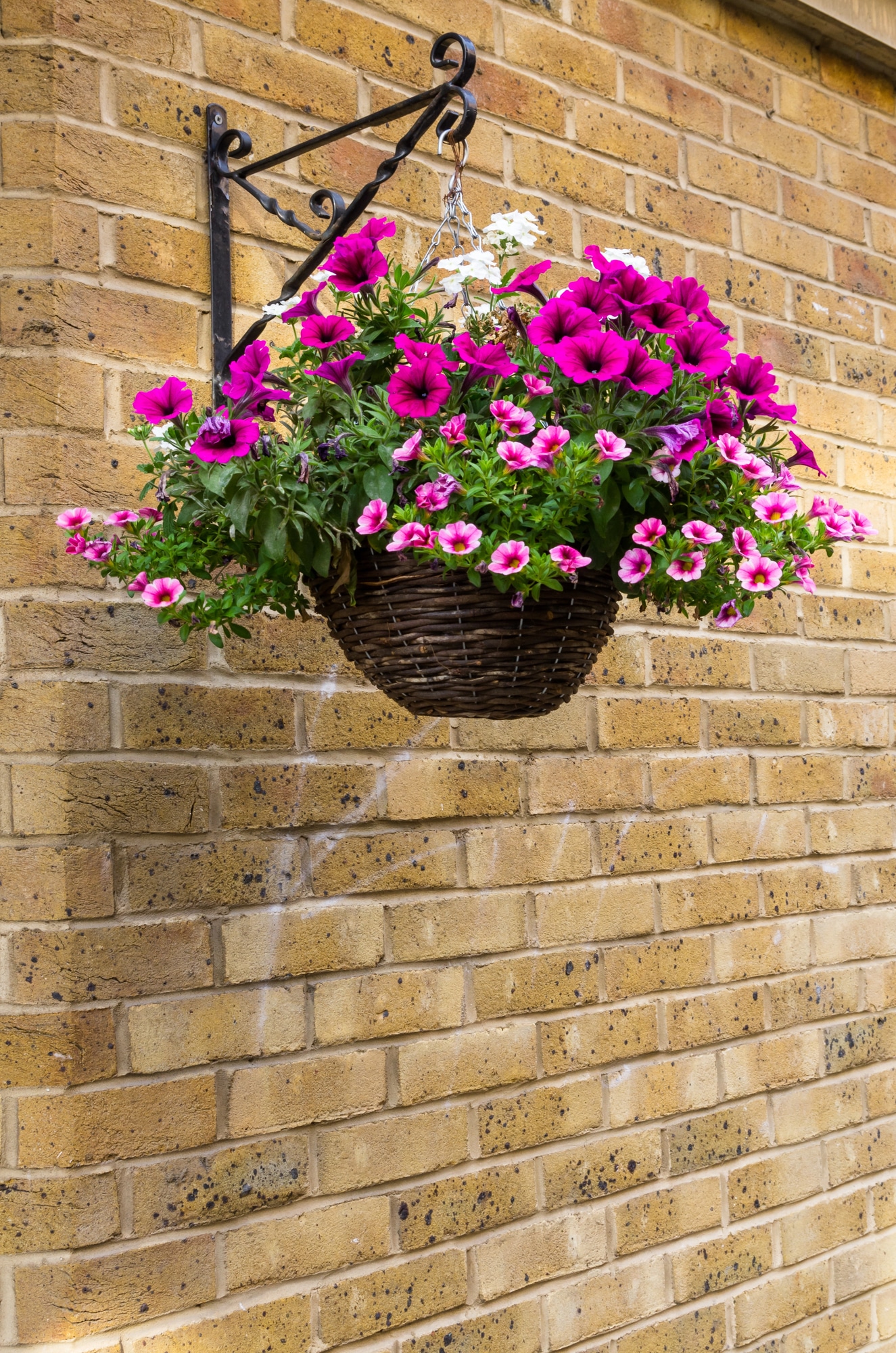
If baskets are placed in areas that receive too little light, plants may grow leaves but produce fewer flowers. Observing how sunlight moves across your porch or patio can help determine the best placement.
For locations that receive less sun, shade-tolerant plants such as begonias, fuchsias, and lobelia can still create beautiful displays.
Matching the plant to the available light ensures stronger growth and more reliable flowering.
8. Refresh Your Basket Midseason
Even with excellent care, hanging baskets can begin to look slightly tired by midsummer. Rather than replacing them entirely, a simple refresh often brings them back to life.
Start by trimming plants back slightly to encourage fresh growth. Adding a thin layer of fresh potting soil to the top of the basket can also help replenish nutrients.
Afterward, a dose of liquid fertilizer gives the plants the energy they need to recover.
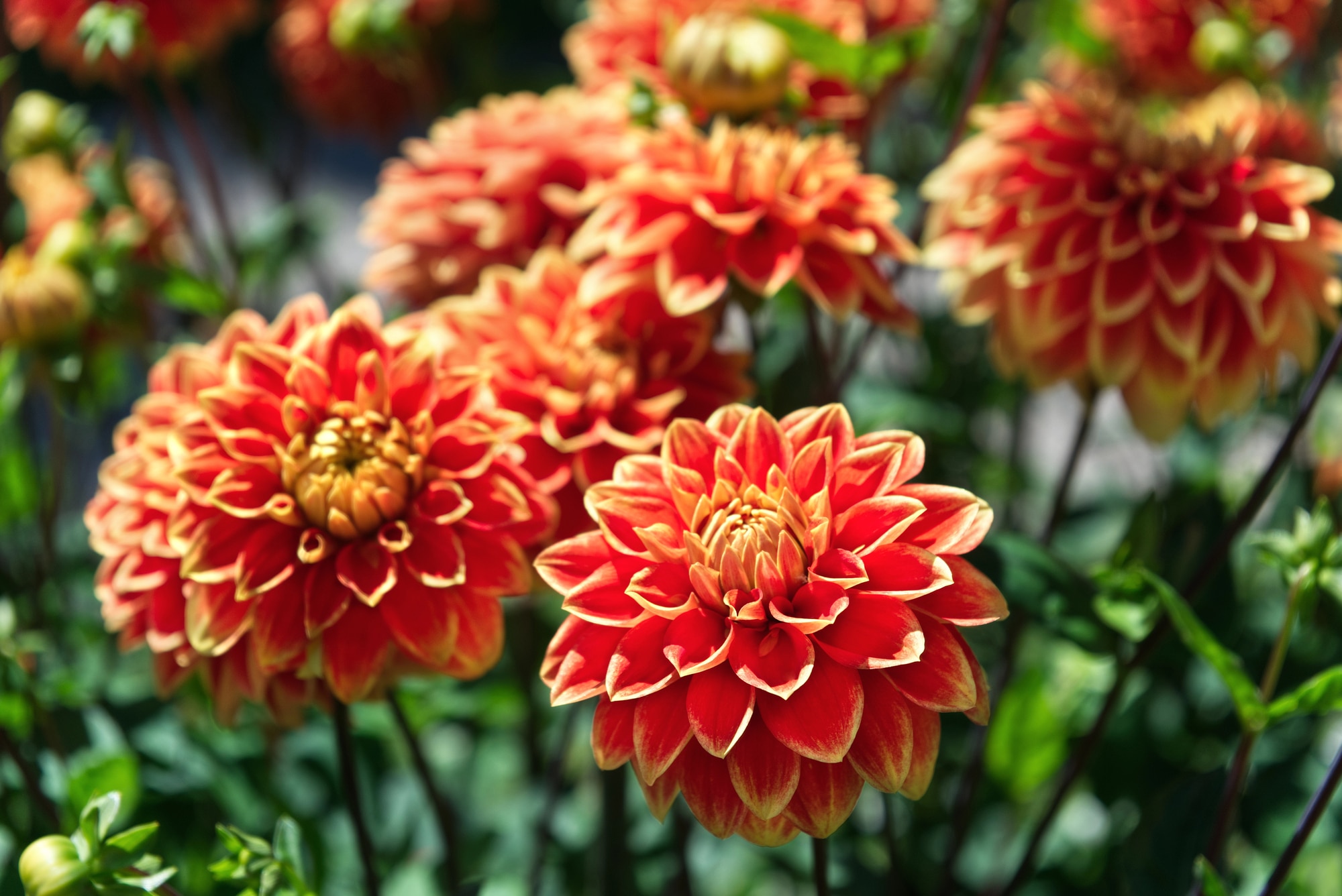
Within a couple of weeks, many baskets respond with new leaves and blossoms, extending their beauty for the remainder of the season.
A Simple Routine for Beautiful Baskets
Hanging baskets are one of the most charming ways to decorate outdoor spaces, whether they’re placed along a porch, patio, or garden wall. Their cascading flowers bring softness and color to even the smallest spaces.
With a simple routine of consistent watering, occasional feeding, and light trimming, these baskets can remain lush and blooming all season long.
A little attention each week helps ensure that the vibrant display you enjoy in spring continues well into summer.
And few things feel more satisfying than stepping outside to see a basket overflowing with flowers, gently swaying in the breeze—a small but beautiful reminder of the joy a garden can bring.
