How to Care for Easter Cactus (So It Blooms Beautifully Every Spring)
An Easter cactus in bloom feels like the official start of spring.
The light shifts. The mornings feel softer. And suddenly, these bright, almost tropical flowers appear — delicate, layered, and surprisingly vibrant against their glossy green stems.
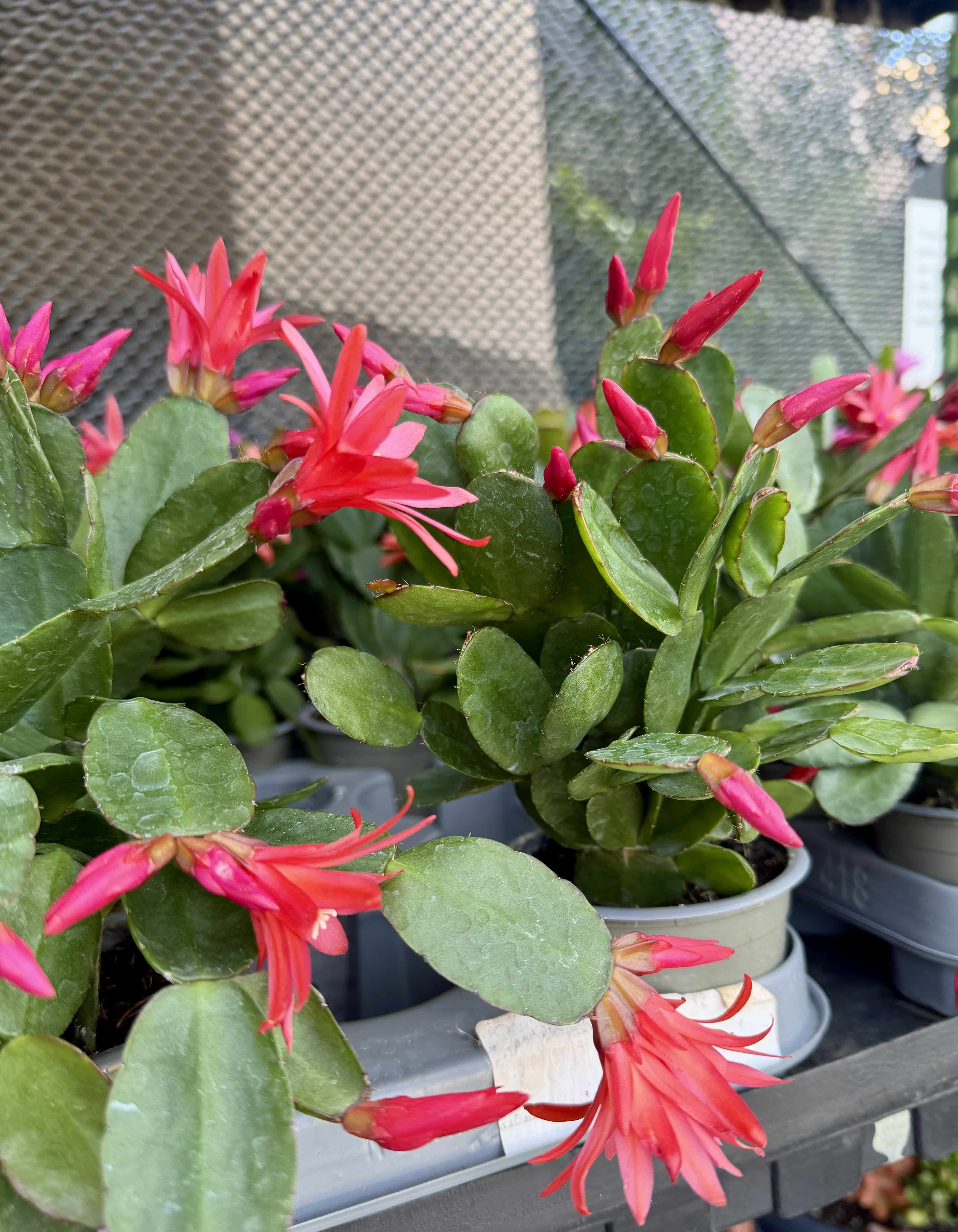
The Easter cactus, botanically known as Rhipsalidopsis gaertneri, is one of those plants that looks fussy but is actually manageable once you understand what it needs.
Unlike many spring flowers that fade quickly, this one can bloom reliably year after year with just a few simple adjustments to your routine.
If you love keeping plants that feel seasonal but still timeless, this succulent is the perfect option.
Let’s walk through exactly how to care for an Easter cactus — in a way that keeps it healthy, full, and blooming beautifully each spring.
First, What Makes an Easter Cactus Different?
Despite the name, this isn’t a desert cactus.
In its natural habitat in Brazil, Easter cactus grows in rainforest environments, often tucked into tree crevices where it receives filtered light and steady moisture. That’s why treating it like a traditional cactus (harsh sun, long dry spells) is usually what leads to frustration.
It’s also different from its holiday cousins, like the Christmas cactus and the Thanksgiving cactus. Easter cactus has more rounded leaf segments and tends to bloom later — typically in early to mid-spring.
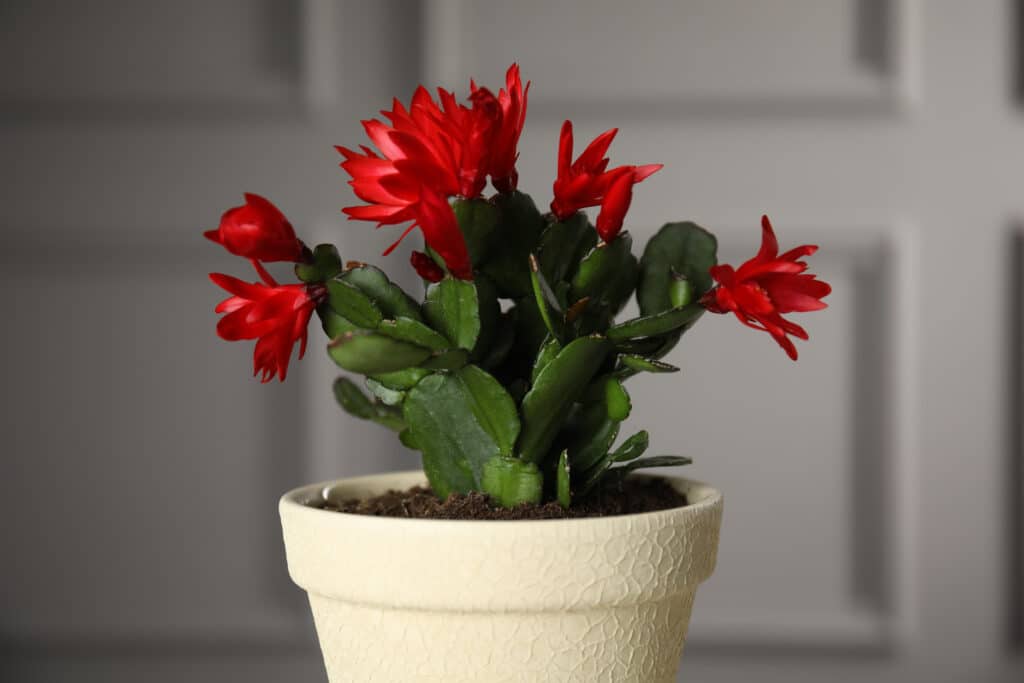
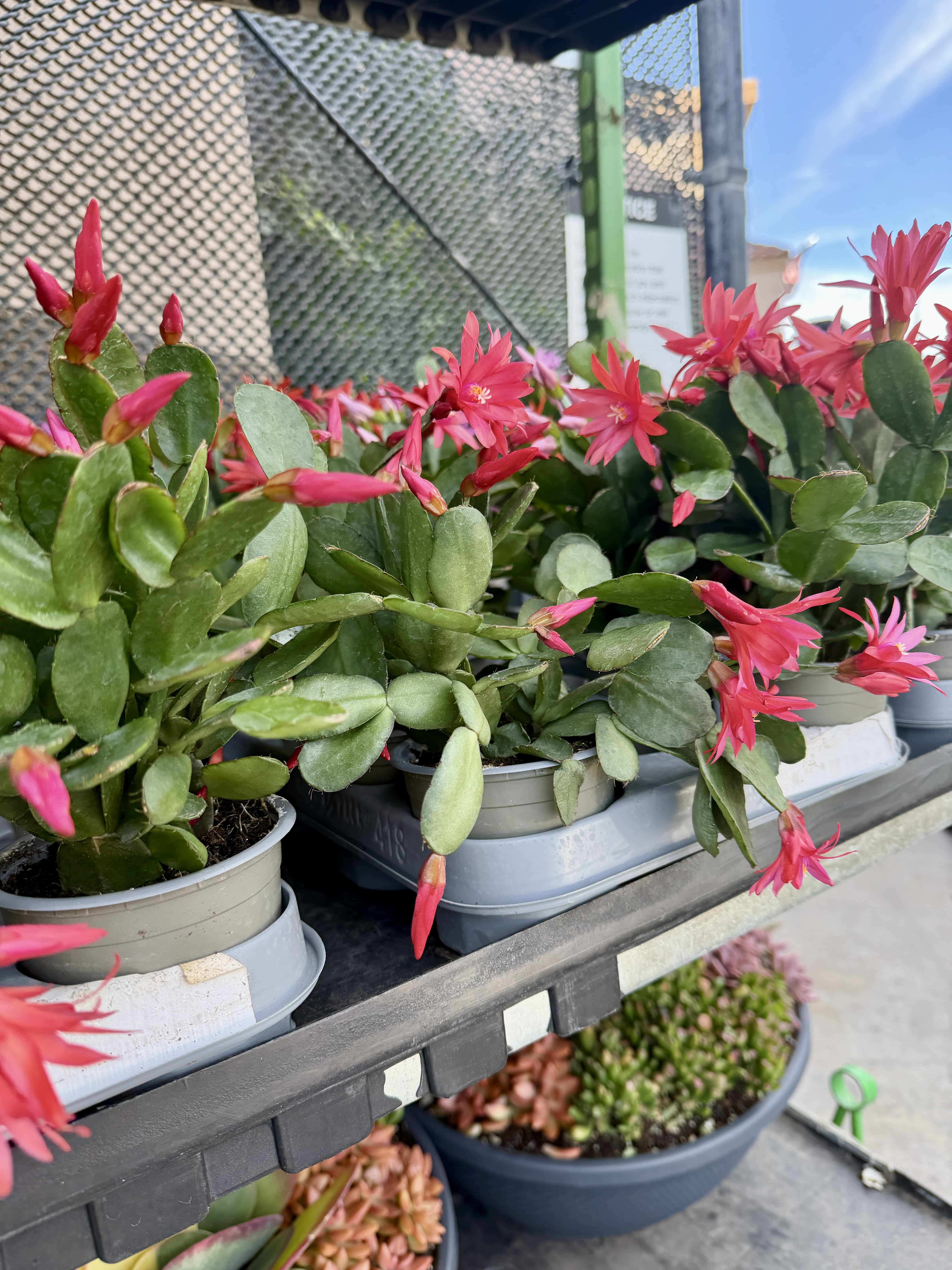
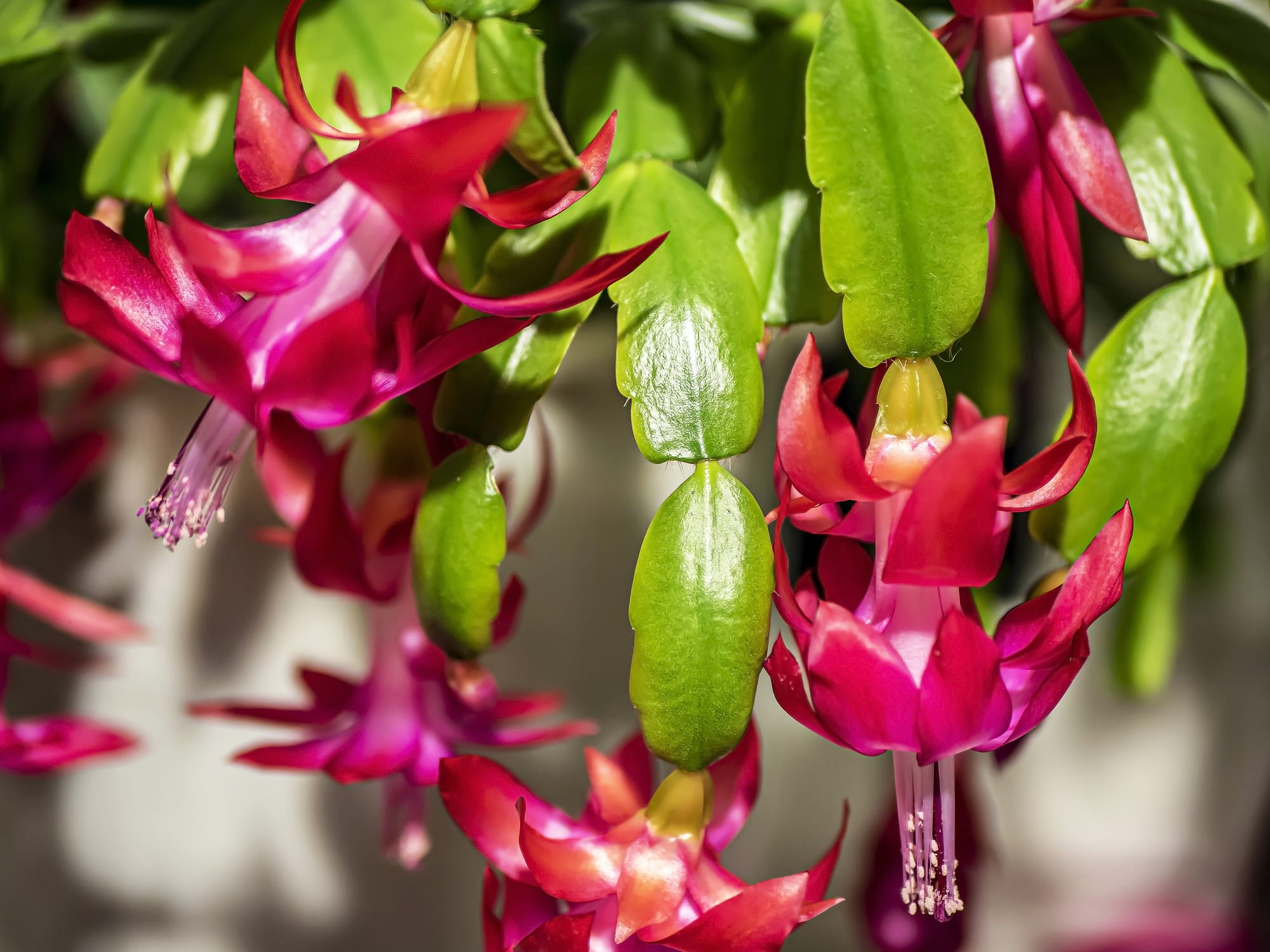
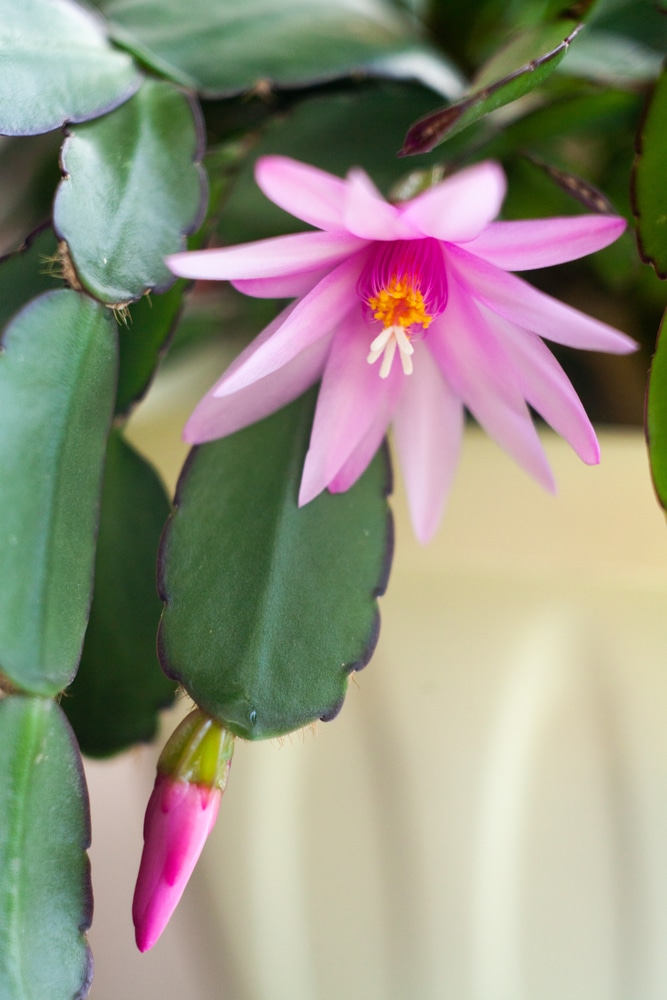
The flowers are what truly set it apart. They’re star-shaped, layered, and often appear in shades of pink, coral, red, or even soft white. When it’s happy, the entire plant can look like it’s glowing.
Light: Bright, But Gentle
If there’s one thing to get right, it’s the light.
Easter cactus thrives in bright, indirect light. Think of the kind of light that fills a room near an east-facing window — soft morning sun, no harsh afternoon intensity.
Too much direct sun can scorch the stems, leaving them pale or slightly reddish. Too little light, on the other hand, can mean fewer blooms.
In my own home, I like placing flowering plants near a bright window but slightly off to the side. It keeps the plant illuminated without overwhelming it. Rotating the pot every week or so also helps it grow evenly instead of leaning toward the light.
Watering: Even Moisture Is Key
This is where many people go wrong.
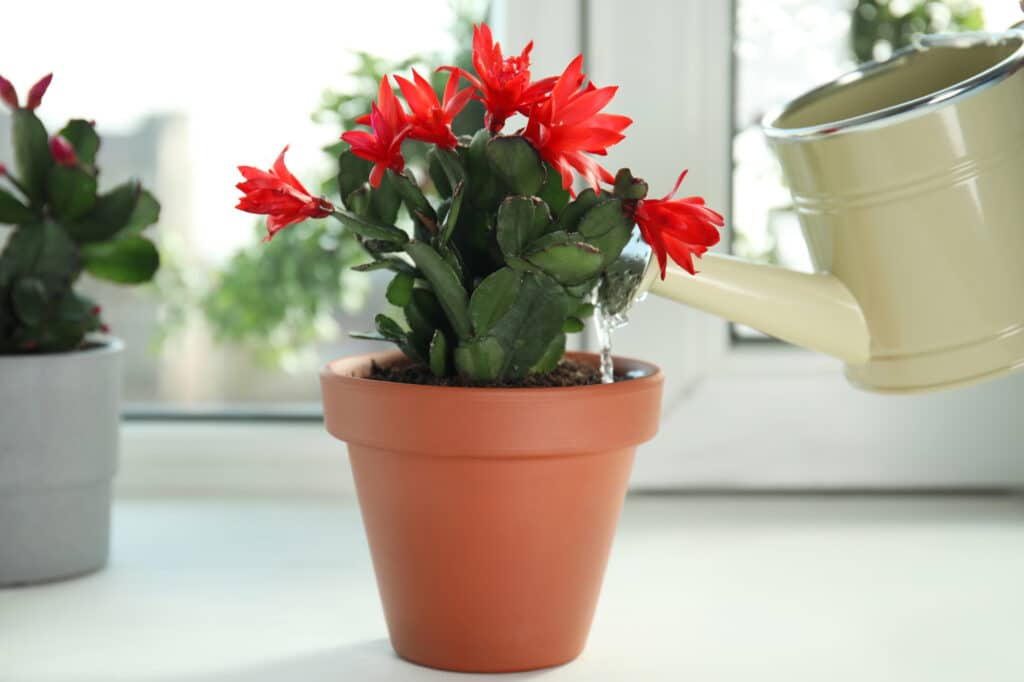
Because it’s labeled a “cactus,” it’s easy to assume it wants long dry spells. But Easter cactus prefers lightly moist soil during its active growing and blooming period.
Here’s a simple rhythm that works well:
- Water when the top inch of soil feels dry.
- Never let the pot sit in standing water.
- Reduce watering slightly after blooming ends.
If the stems begin to look wrinkled or thin, it may need more consistent moisture. If they feel soft or mushy, that’s usually a sign of overwatering.
The goal isn’t extremes — just steady, balanced care.
Soil & Potting: Drainage Matters
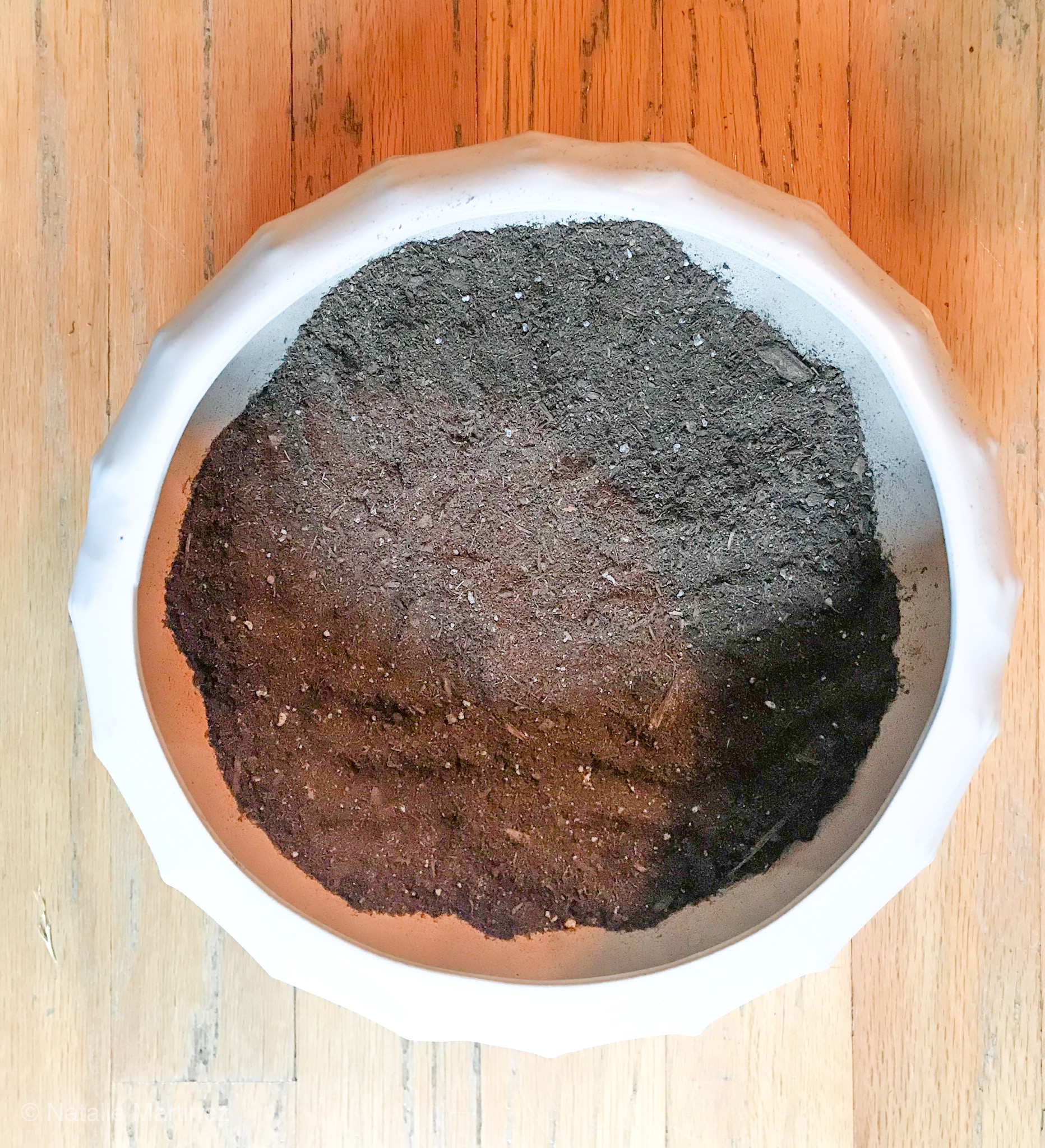
Even though it enjoys more moisture than desert cacti, it still needs well-draining soil.
A standard cactus mix can work, but I like to amend it slightly with a bit of perlite or orchid bark to create more airflow around the roots. And always, always use a pot with drainage holes.
This plant does not like wet feet.
Repotting isn’t needed often — every two to three years is usually sufficient, and it actually blooms better when slightly root-bound.
Temperature & Humidity
Easter cactus is happiest in temperatures between 60–75°F, which conveniently aligns with most indoor homes.
It does not love:
- Cold drafts
- Heat vents
- Sudden temperature shifts
Moderate humidity helps, especially during winter and early spring. If your home is very dry, placing the pot on a pebble tray with water (without letting the pot sit directly in it) can gently raise humidity around the plant.
I also find that kitchens tend to be naturally better environments for tropical-leaning plants because of the moisture in the air.
Fertilizing for Healthy Growth
To support blooming, feed your Easter cactus once a month during spring and summer with a balanced liquid houseplant fertilizer.
Stop fertilizing once flowering ends and through its rest period. Overfeeding can lead to lots of green growth but fewer blooms.
Like most things in gardening, restraint tends to work better than excess.
How to Encourage It to Rebloom Next Year
This is the part that feels mysterious — but it doesn’t have to be.
Easter cactus needs a short rest period before it will set buds again.
About 8–10 weeks before you want blooms (usually late winter), begin:
- Reducing watering slightly
- Keeping it in slightly cooler temperatures (around 55–60°F)
- Allowing longer, uninterrupted nights
Once you begin to see tiny buds forming, resume normal watering and move it back to its usual bright location.
Avoid moving the plant frequently once buds appear. Sudden changes can cause bud drop, which is one of the most common frustrations with this plant.
Consistency is what signals it that spring has arrived.
Propagating Easter Cactus
If you love sharing plants — or simply want a fuller pot — Easter cactus is surprisingly easy to propagate.
After blooming:
- Gently twist off a segment (or two).
- Let it dry and callus for a day or two.
- Place it in lightly moist soil.
- Keep it in bright, indirect light.
Roots typically develop within a few weeks.
I love adding propagated pieces back into the original pot to create a fuller, more established look over time. It’s one of those small, patient details that makes a plant feel collected rather than purchased.
Styling an Easter Cactus for Spring
This is where it really shines.
Because it blooms right around Easter, it pairs beautifully with:
- Soft ceramic planters
- Linen table settings
- Simple glass vases
- Fresh herbs nearby in the kitchen
I love placing one near a breakfast table in early spring. It feels festive without being overtly seasonal — just fresh, alive, and quietly beautiful.
It’s the kind of plant that doesn’t shout for attention, but absolutely elevates a space.
Caring for an Easter cactus isn’t complicated. It just requires understanding that it’s a rainforest plant at heart, not a desert survivor.
Give it gentle light.
Keep its soil evenly moist.
Let it rest before bloom season.
And resist the urge to overdo it.
When you do, it will reward you with some of the most joyful flowers of the season — right when your home is ready for something bright and new.
If you’re building a plant collection that feels seasonal yet timeless, this is one worth keeping.
