How to Create a Mini Succulent Garden (That Looks Professionally Styled)
A mini succulent garden adds so much charm to a space. It doesn’t require constant tending or a large space. And yet, when done well, it looks intentional — like a tiny landscape tucked into a bowl.
If you’ve ever admired those perfectly arranged succulent planters that look full, balanced, and slightly effortless, the secret isn’t luck. It’s structure.
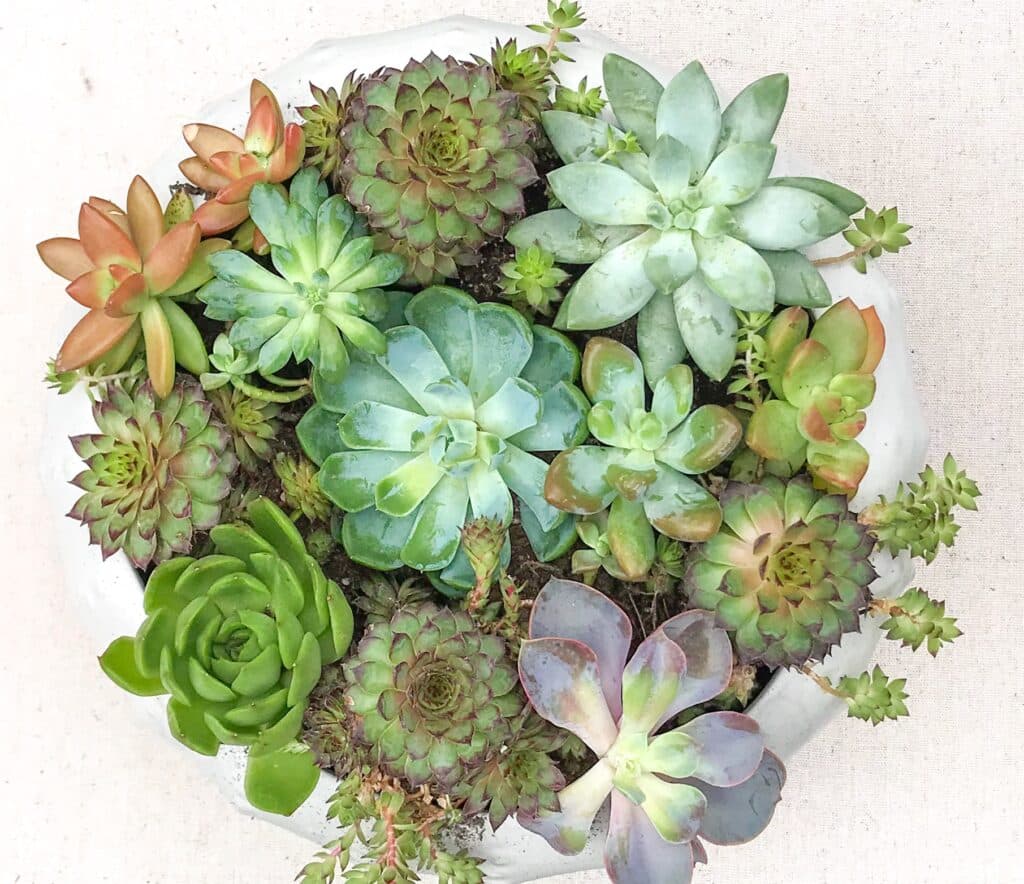
A mini succulent garden is one of the easiest ways to bring life to a patio table, entryway console, balcony shelf, or kitchen counter. And once you understand how to build one properly, you can recreate the look again and again.
Let’s walk through how to create a mini succulent garden that actually thrives — and looks beautiful long after you plant it.
What Is a Mini Succulent Garden?
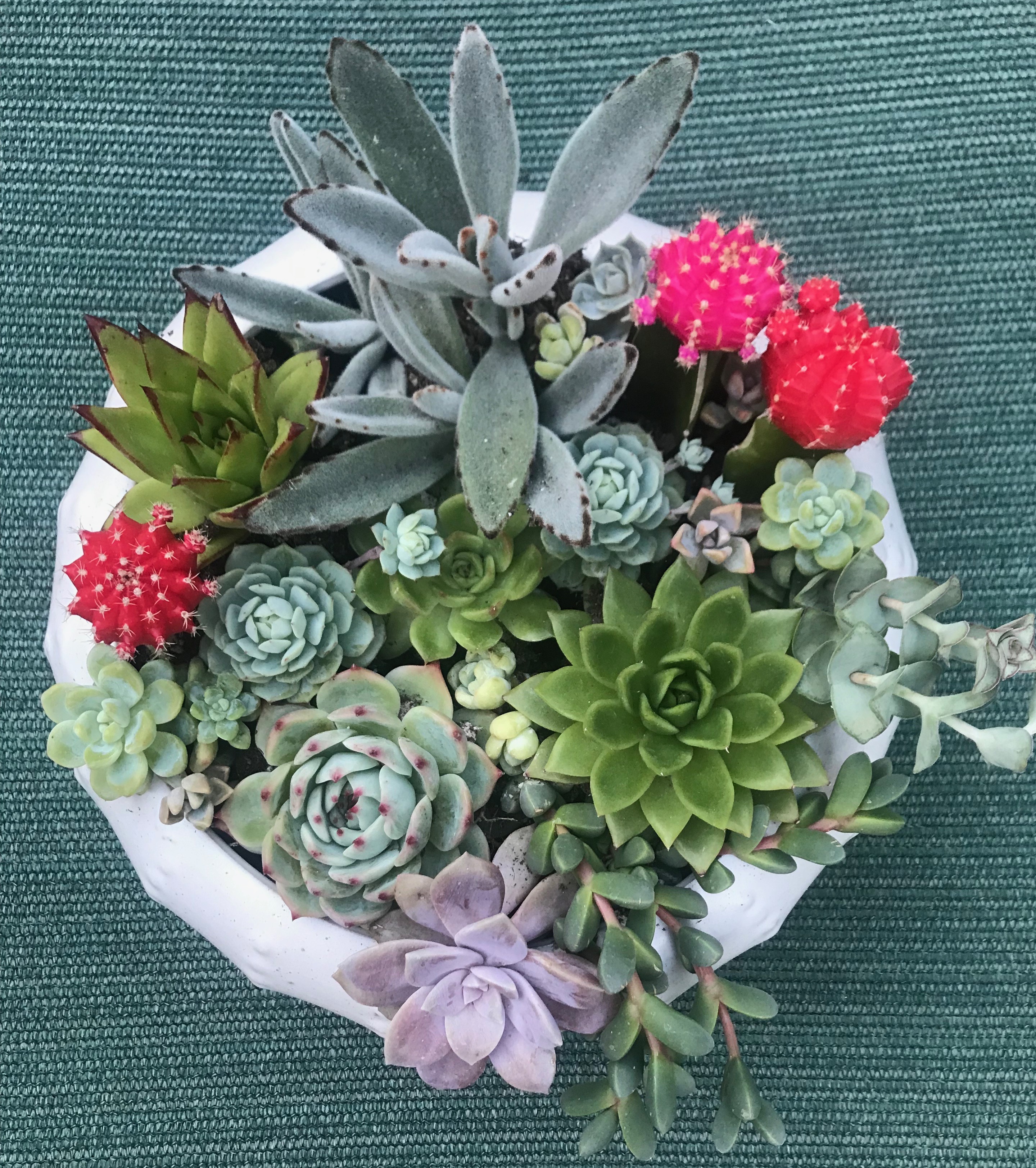
A mini succulent garden is simply a small container arrangement made with multiple succulents planted together in one shallow planter. Instead of one plant in a pot, you’re creating a tiny landscape — combining color, height, and texture in a single space.
These gardens work beautifully:
- On small patios
- On balcony tables
- In side yards
- On outdoor coffee tables
- On kitchen counters near bright windows
They’re perfect for small spaces because they create impact without taking over.
And if you love curated, styled corners of your home (which I know you do), this is one of the easiest ways to elevate a space.
Step 1: Choose the Right Container
Your container matters more than you think.
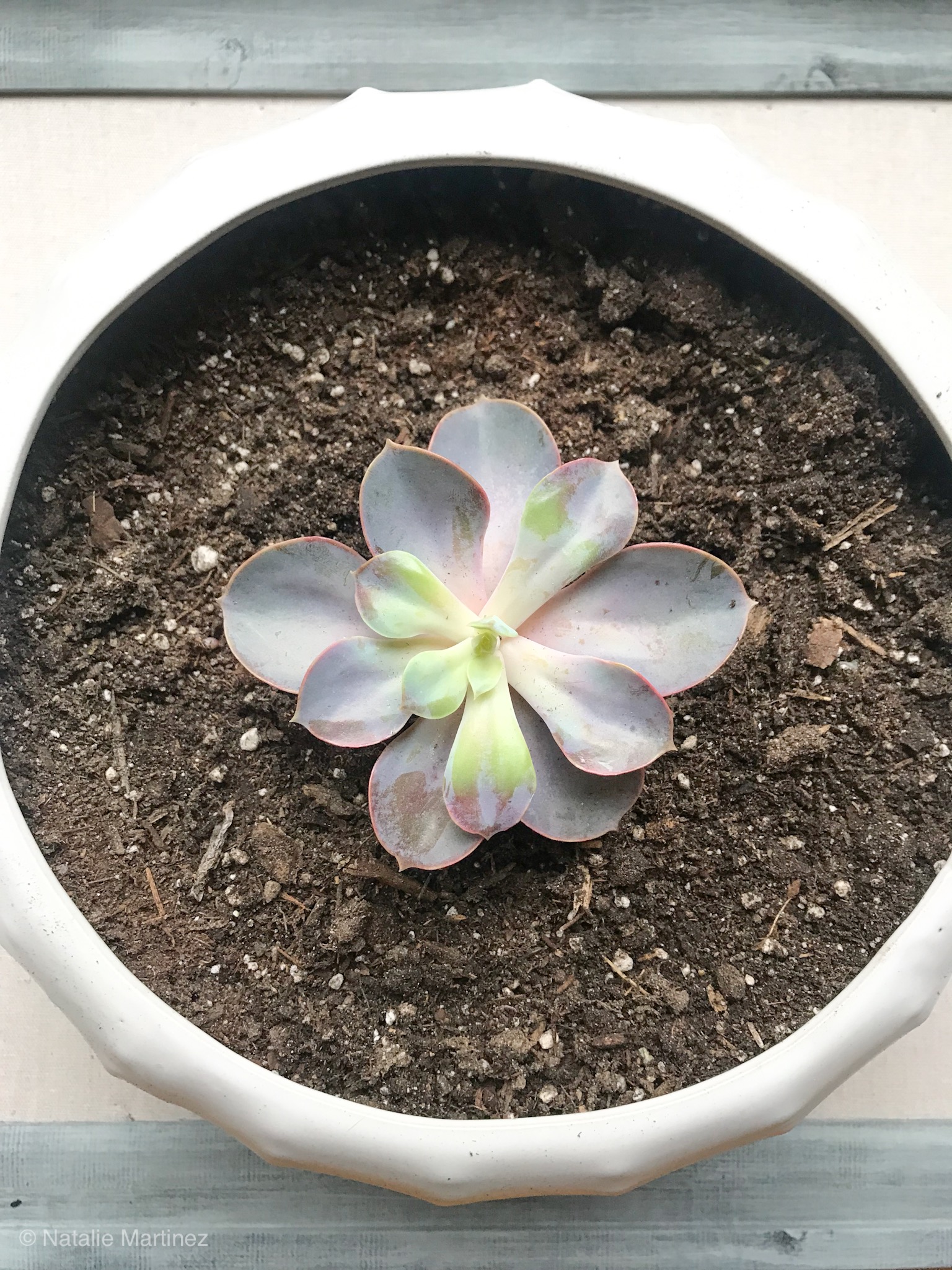
Mini succulent gardens look best in wide, shallow containers rather than deep pots. A bowl shape allows you to see all the plants at once and creates that layered, styled look.
When choosing a container, look for:
- A drainage hole (non-negotiable if planting directly inside)
- At least 6–12 inches wide
- Neutral tones like terracotta, white ceramic, or textured stone
- A shape that feels low and open rather than tall and narrow
If you fall in love with a container that doesn’t have drainage, you can keep succulents in their nursery pots and place them inside for a styled look — but watering must be done carefully.
For an ATL aesthetic, I love:
- Matte ceramic bowls
- Classic terracotta
- Soft white stoneware
- Slightly rustic textured containers
This is a place where you can naturally include affiliate links for shallow planters, modern ceramic bowls, or classic terracotta dishes.
Step 2: Use Proper Succulent Soil
Succulents hate sitting in wet soil. That’s where most people go wrong.
Do not use regular potting mix on its own.
Instead, use:
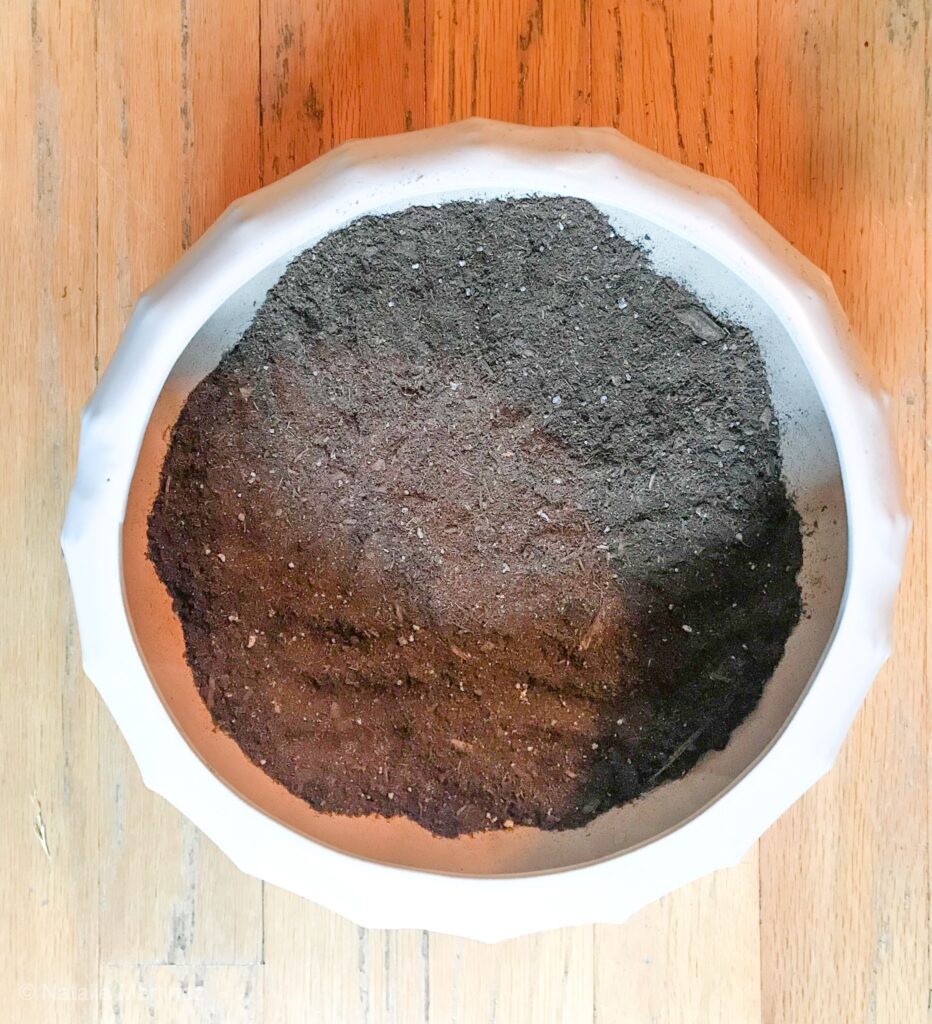
- A cactus or succulent soil mix
- Or regular potting soil amended with perlite or pumice
The goal is fast drainage. When water flows through quickly, roots stay healthy and avoid rot.
You don’t need thick gravel layers at the bottom if you have proper drainage — but you can add a thin layer for aesthetic reasons if desired.
Healthy soil = healthy roots = fuller plants.
Step 3: Choose Succulents That Look Beautiful Together
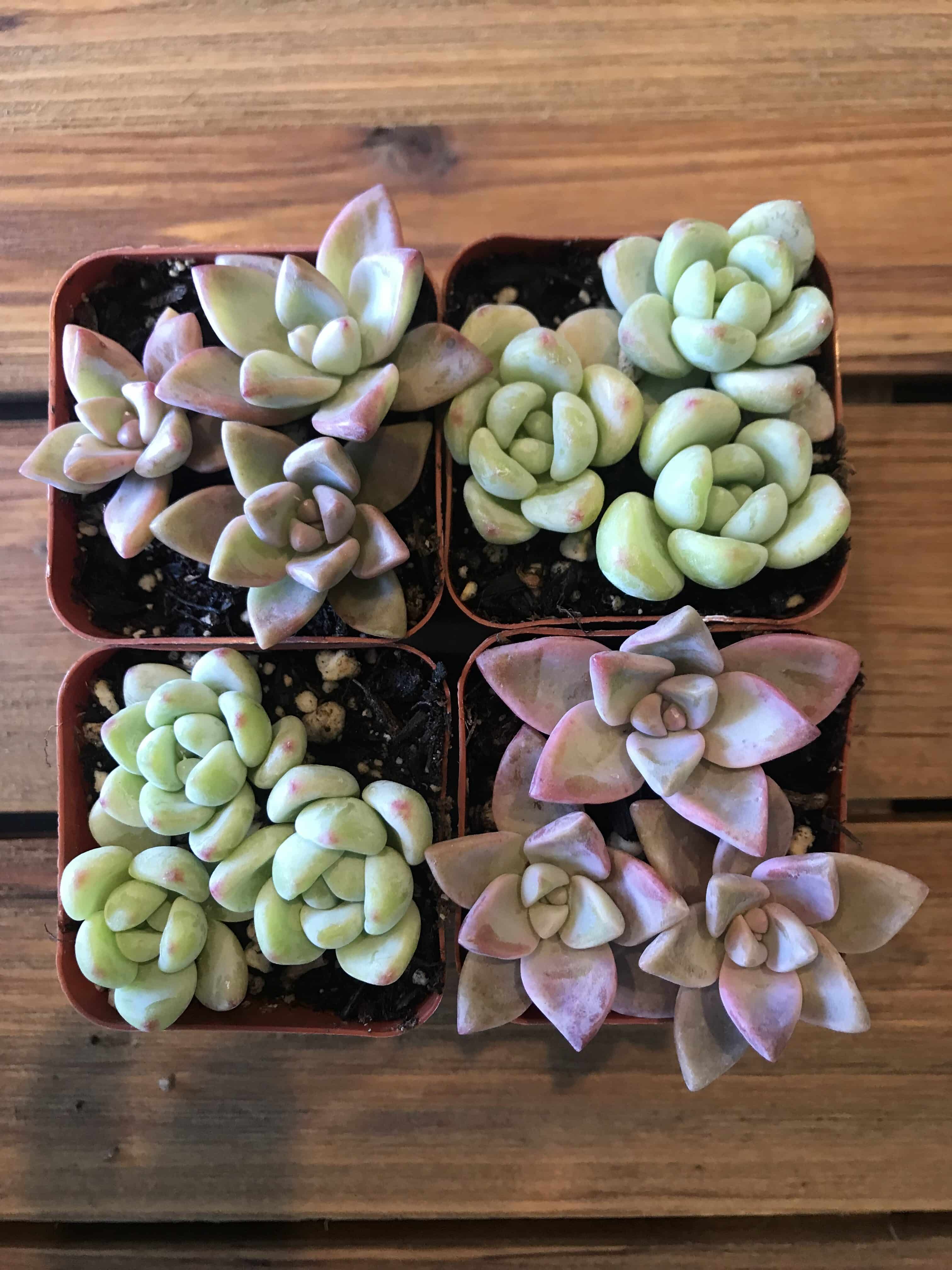
This is where it gets fun.
The secret to a stunning mini succulent garden isn’t just picking random plants. It’s choosing contrast.
Look for variation in:
- Height
- Shape
- Color
- Texture
For example:
- A rosette-style succulent as your focal point
- A slightly taller upright variety for dimension
- A trailing succulent to soften the edges
Combining dusty blues, soft greens, lavender tones, or silvery hues creates that cohesive, styled feel.
Plant them closer together than you think. Succulents in mini gardens should feel abundant, not sparse. As long as you’re using proper soil and light, tighter planting creates fullness without suffocating them.
If you’re unsure how many to use, a 10–12 inch bowl typically looks best with 3–5 plants.
Step 4: Arrange Before You Plant
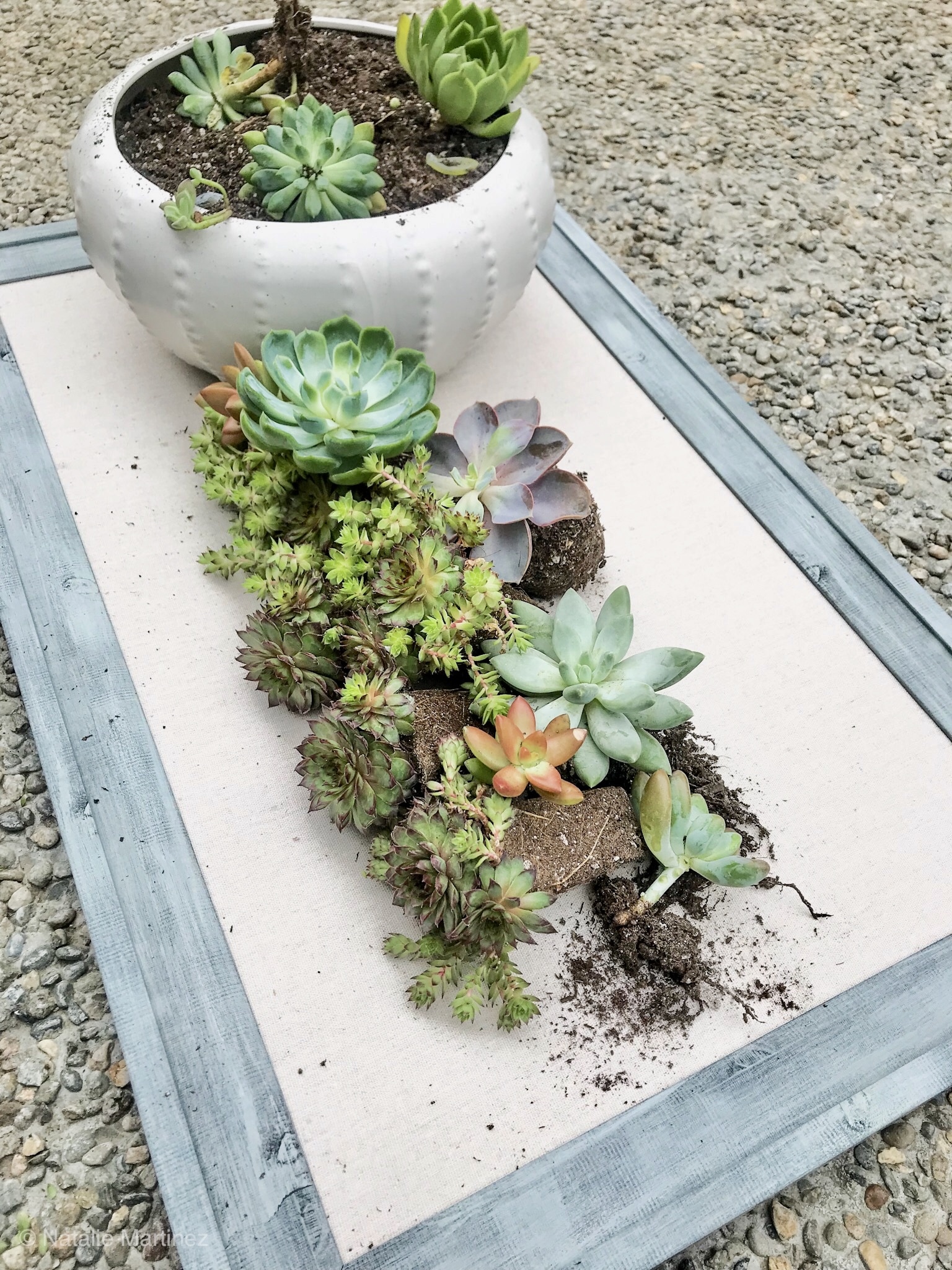
Before putting anything in the soil, lay the plants out on top.
This step makes all the difference.
Start by placing your tallest or most striking plant slightly off-center. Then cluster the remaining plants around it in odd numbers. This creates balance without looking symmetrical or stiff.
Think in triangles.
Your eye should move naturally around the container. Nothing should feel crammed into one corner.
This “dry layout” lets you adjust before committing — and it’s the step that makes arrangements look professionally styled.
Step 5: Planting Your Mini Garden
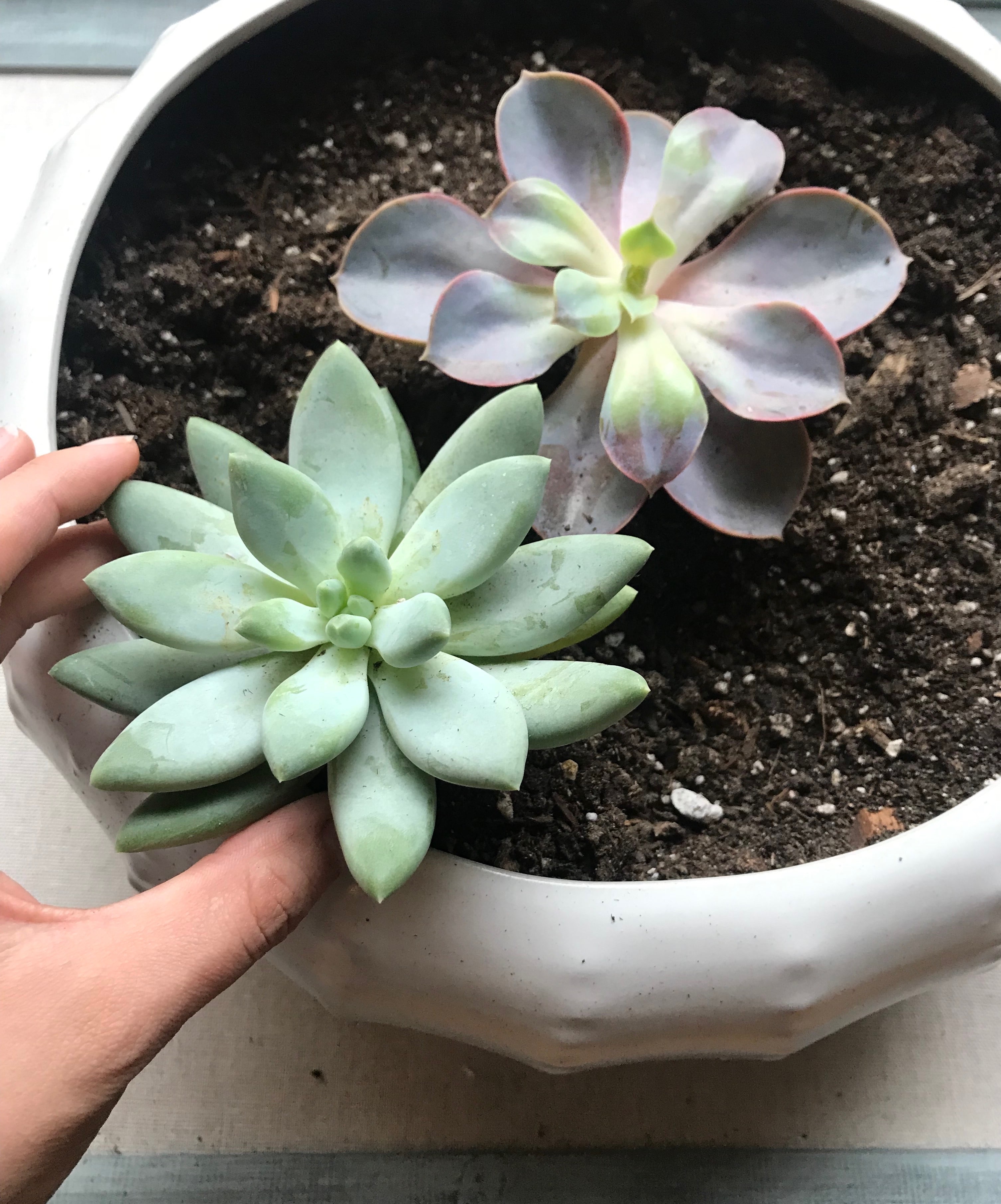
Once you’re happy with the arrangement:
- Fill the container with succulent soil.
- Remove excess nursery soil from each plant.
- Gently loosen roots if tightly bound.
- Plant each succulent at the same depth it was originally growing.
- Press soil firmly around the base to eliminate air pockets.
After planting, you can top the soil with:
- Small pebbles
- Crushed stone
- Decorative gravel
This gives the arrangement a finished look and keeps soil from splashing when watering.
Let the plants settle for a few days before watering if you disturbed the roots significantly.
Step 6: Place It in the Right Spot
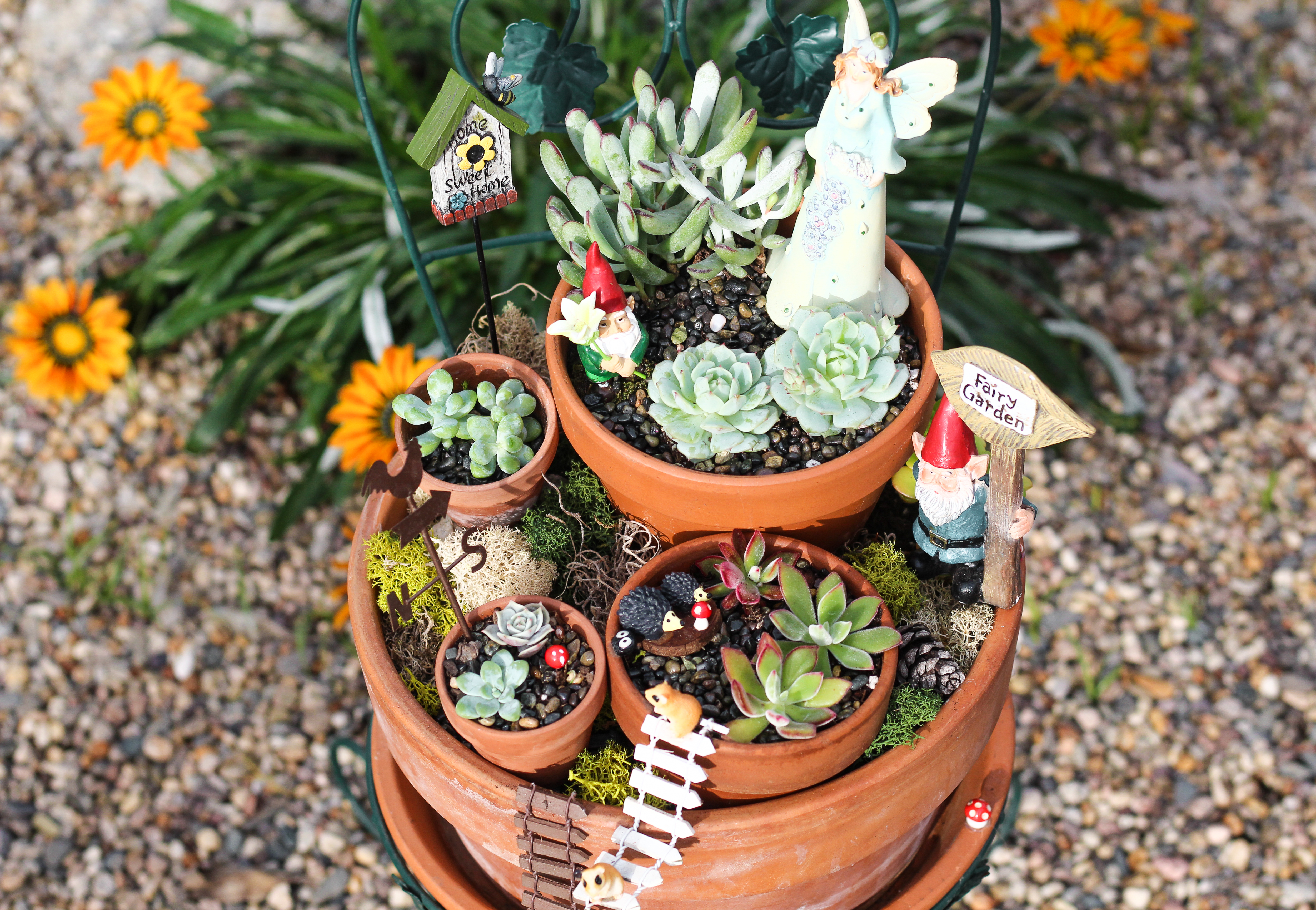
Light determines everything.
Outdoors, mini succulent gardens thrive in:
- Morning sun
- Bright, indirect light
- Covered patios
Indoors, place them:
- Near a south-facing window
- Near a west-facing window
- In the brightest spot you have
Avoid dark corners or rooms without strong natural light. Insufficient light leads to stretching and leggy growth.
If you’ve read my post on fixing stretched succulents, you already know — light is everything.
How Often Should You Water a Mini Succulent Garden?
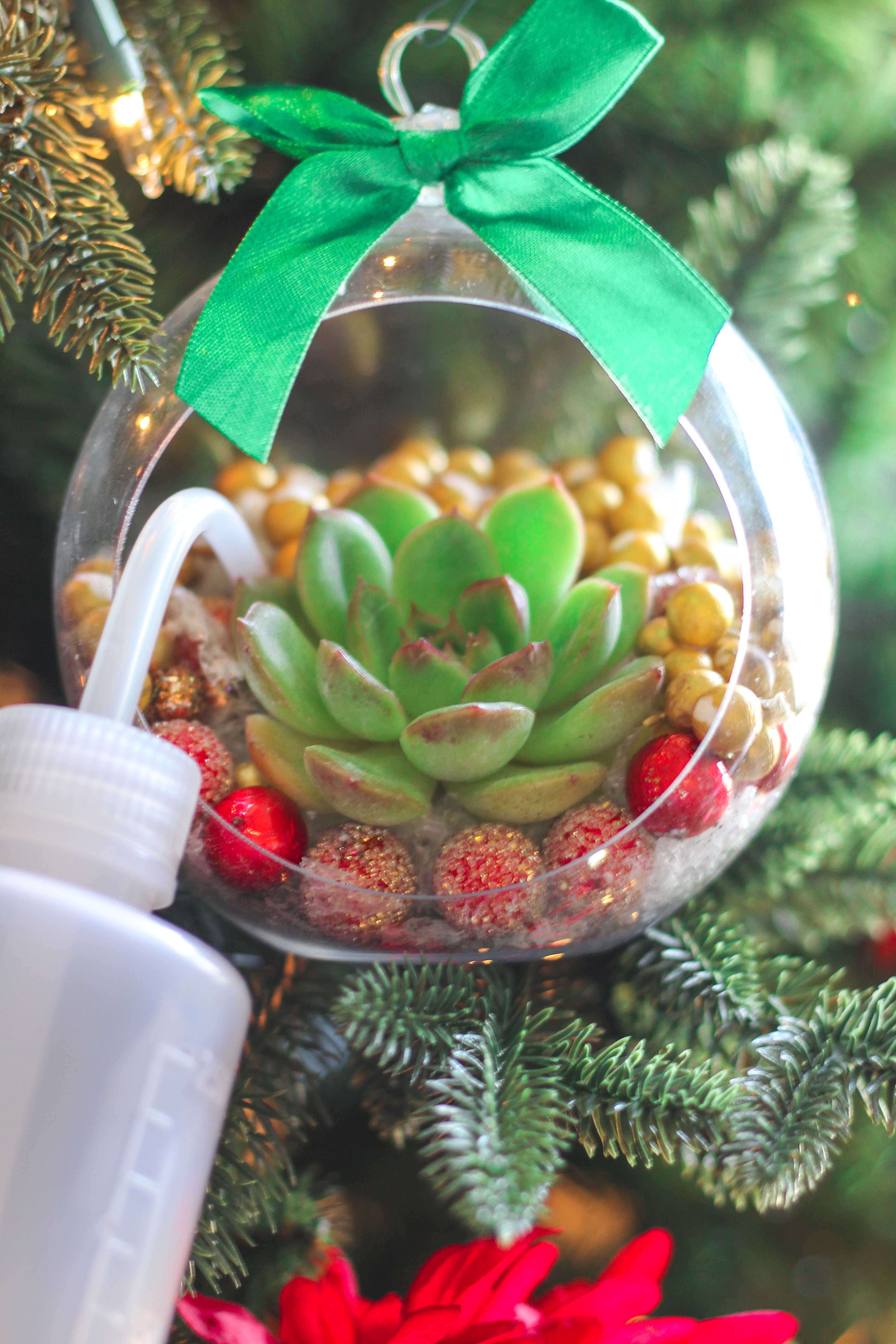
This is the question everyone asks.
The answer: only when the soil is completely dry.
Stick your finger down into the soil. If there’s moisture, wait.
When you water:
- Soak thoroughly until water drains out the bottom.
- Never mist.
- Never give frequent tiny sips of water.
In summer, this may mean watering every 1–2 weeks. In winter, possibly every 3–4 weeks.
Overwatering is far more dangerous than underwatering.
Signs of overwatering:
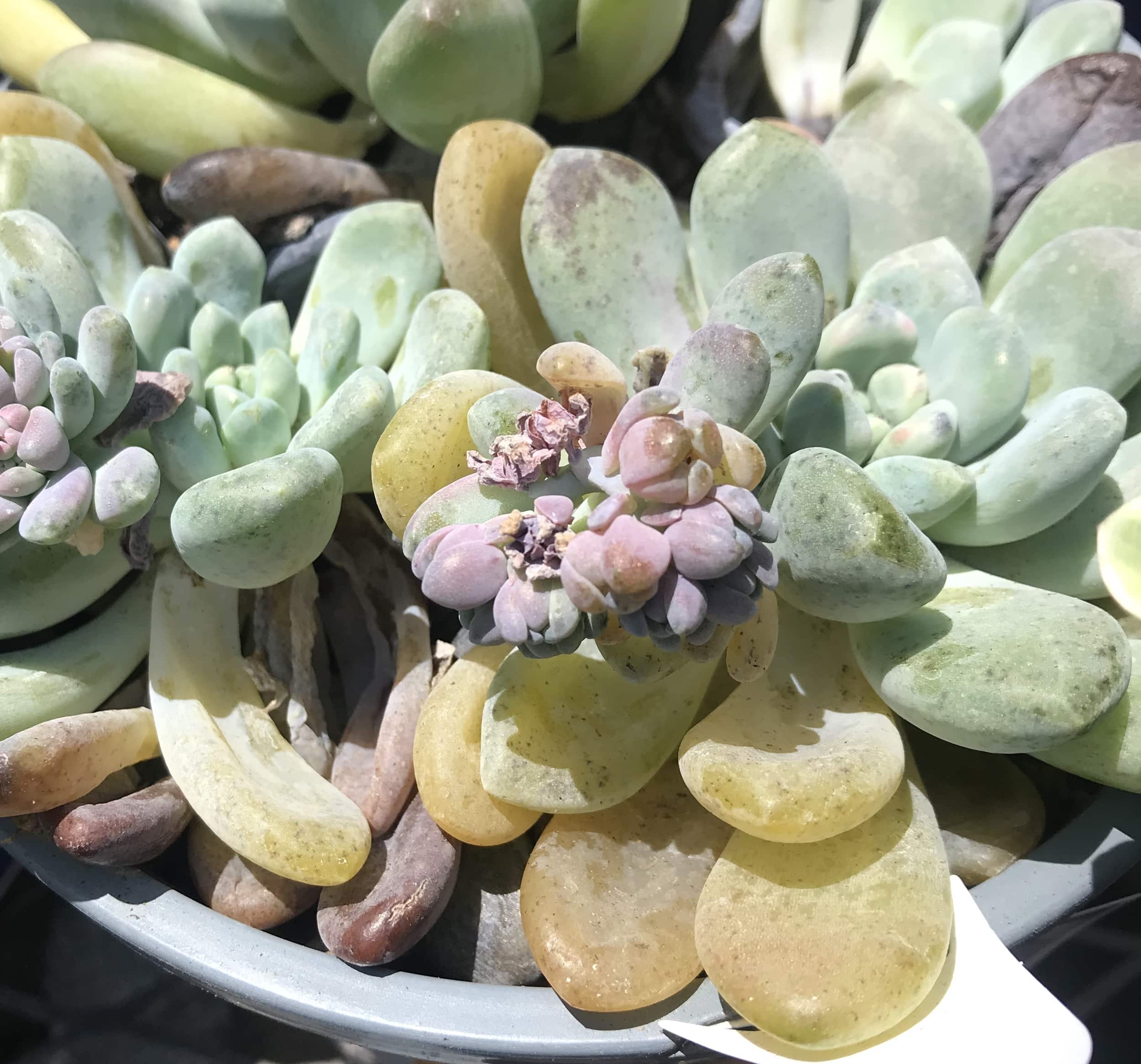
- Mushy leaves
- Yellowing
- Leaves dropping
Signs of underwatering:
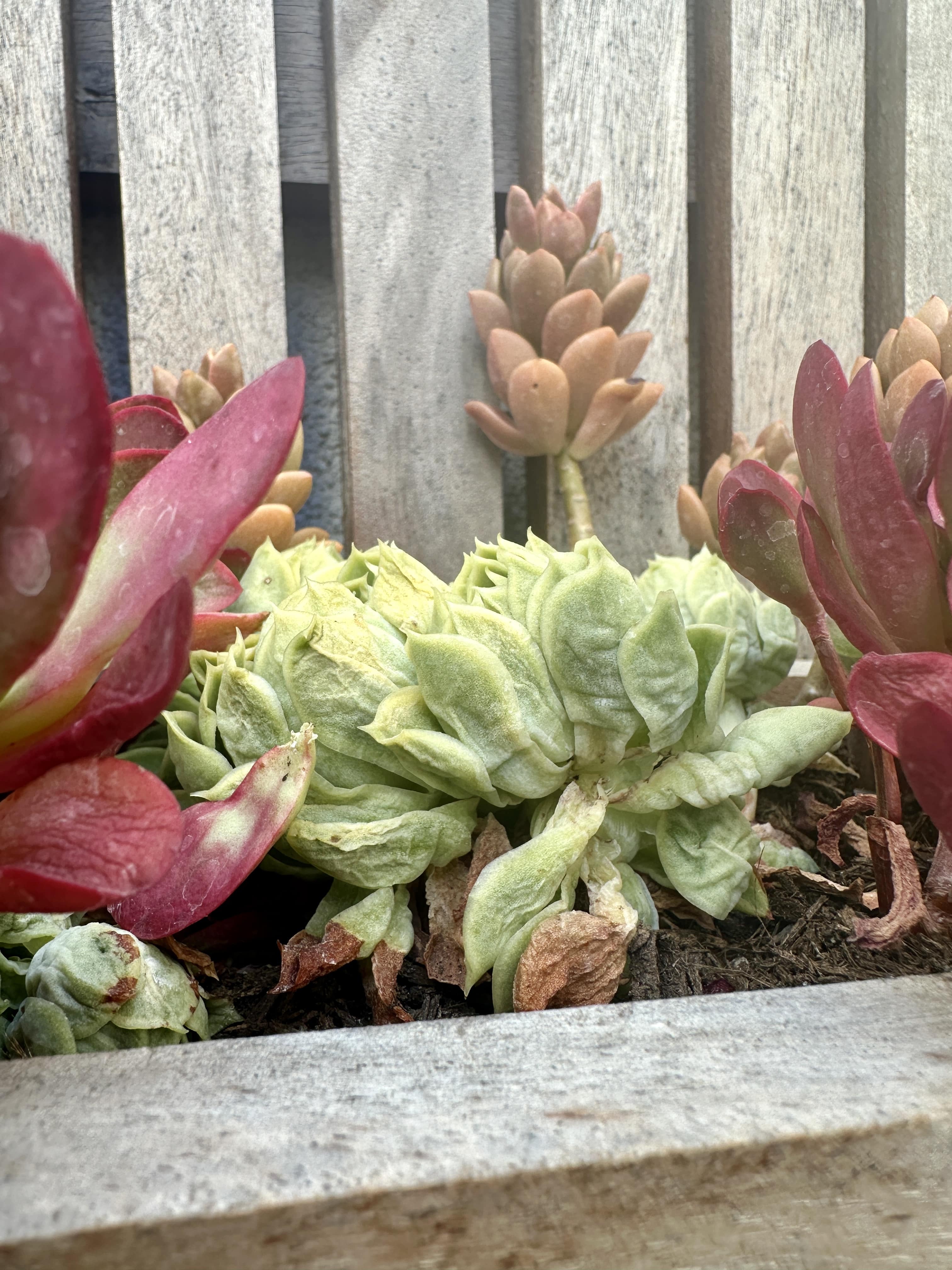
- Wrinkled leaves
- Slight deflation
Succulents are resilient. They prefer dryness.
How to Keep Your Mini Garden Looking Full
Over time, plants grow and shift.
To maintain that full, styled look:
- Rotate the container every few weeks for even light
- Remove dried leaves from the base
- Trim leggy stems and replant cuttings
- Propagate offsets and fill in gaps
One of my favorite tricks is using baby offsets to refresh the container instead of buying new plants. It keeps the garden feeling lush without extra cost.
Once a year, you can refresh the top inch of soil and decorative gravel to revive the look.
Mini Succulent Garden Ideas
If you’re looking for inspiration, try one of these variations:
- A neutral ceramic bowl with soft blue and green rosettes
- A vintage teacup mini arrangement for a windowsill
- A rustic wooden box for a patio table
- A modern black container with contrasting white stone
- A holiday-themed arrangement with subtle seasonal accents
The beauty of mini succulent gardens is that they can evolve with your space.
Common Mistakes to Avoid
Even simple projects have pitfalls. Here’s what to watch for:
- Using containers without drainage
- Overwatering out of habit
- Placing them in low light
- Using dense, moisture-holding soil
- Choosing plants that grow too large for the container
Keep it simple. Succulents reward restraint.
Why Mini Succulent Gardens Are Perfect for Small Spaces
You don’t need a sprawling yard to create something beautiful.
Mini succulent gardens work on:
- Apartment balconies
- Small patios
- Side yard shelves
- Entry tables
- Kitchen counters
They’re low-maintenance, visually striking, and easy to refresh seasonally.
If you love the idea of making even the smallest corners feel intentional, this is one of the easiest ways to start.
Start Small and Grow Beautiful
Your first mini succulent garden doesn’t have to be perfect.
Choose a simple bowl. Pick three plants that make you happy. Arrange thoughtfully. Water sparingly.
Over time, you’ll develop an eye for balance and texture — and before you know it, you’ll have small pockets of greenery throughout your home and patio.
And truly, there’s something lovely about tending something small.
Sometimes the tiniest gardens bring the most satisfaction.
