7 Reasons Succulents Stretch (And How to Fix It Fast)
Succulents have a way of lulling us into confidence. They sit quietly on windowsills, patios, and shelves, looking tidy and self-contained. And then, almost without warning, something shifts.
The rosette opens.
The stem lengthens.
Leaves begin spacing out instead of stacking neatly.
If you’ve ever looked at a once-beautiful succulent and wondered what went wrong, you’re not alone.
Stretching is one of the most common issues succulent growers face — especially indoors. And despite how dramatic it can look, it’s rarely a disaster. It’s simply a plant responding to its environment.
Once you understand why succulents stretch, fixing it becomes much easier — and much faster.
What Does It Mean When a Succulent Stretches?
Succulent stretching, often called etiolation, happens when a plant isn’t receiving enough light.
Instead of growing compact and low, the plant elongates its stem and spaces out its leaves as it reaches for brightness. It’s not failing — it’s adapting.
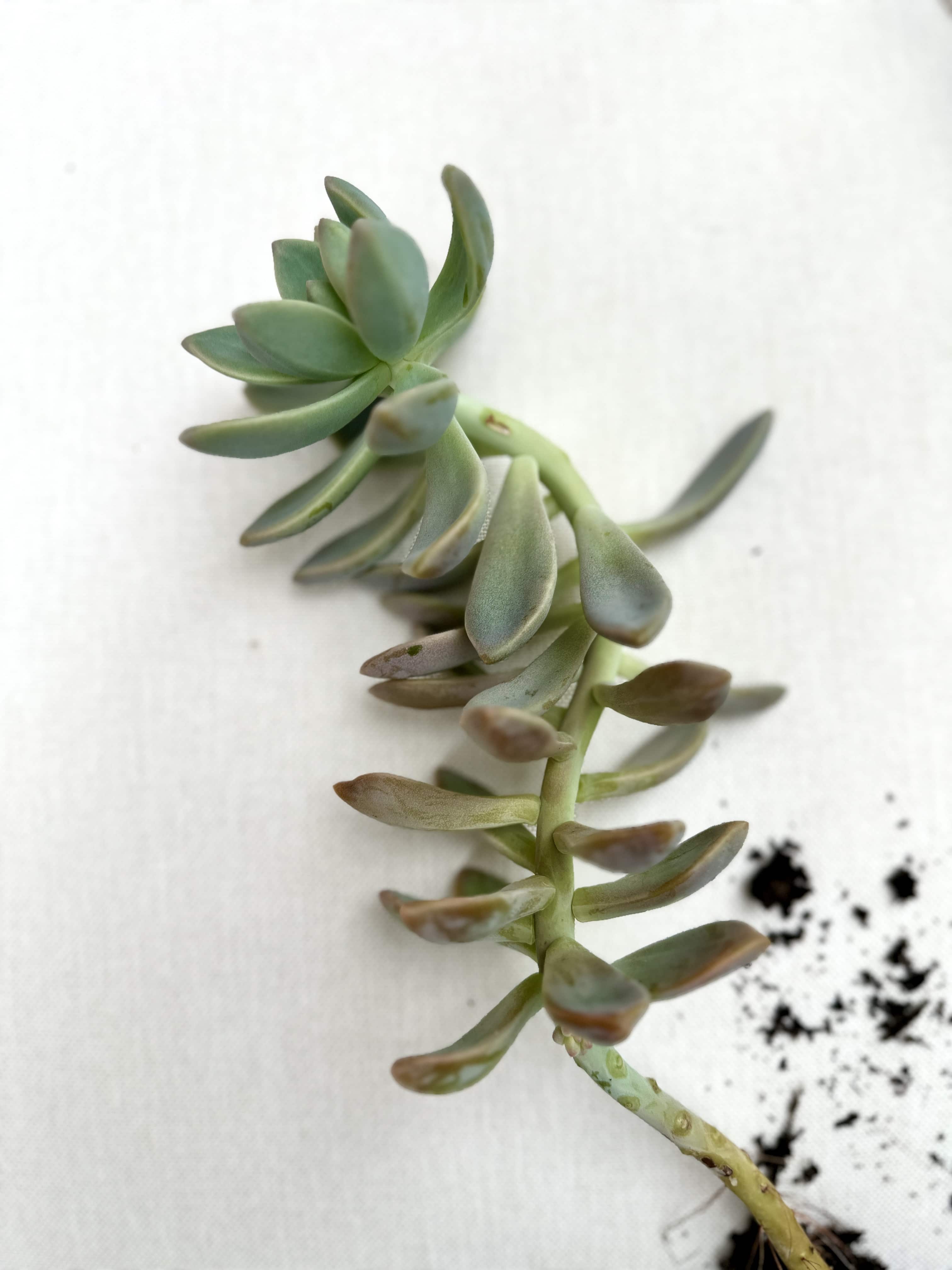
Common signs include:
- Long stems
- Wide gaps between leaves
- Rosettes opening instead of staying tight
- Plants leaning toward windows or light sources
Stretching doesn’t mean your plant is dying. It means it’s asking for an adjustment.
1. Not Enough Light
This is the most common cause of stretching.
Succulents rely on strong light to maintain their shape. When light is insufficient, growth becomes elongated and uneven.
Many homes feel bright to us but are surprisingly dim to plants. Light weakens quickly once you move away from a window, especially if it’s filtered or shaded.
Fix It Fast:
Move your succulent closer to a bright window, ideally south- or west-facing. Place it as close to the glass as possible and rotate it weekly.
Old growth won’t shrink back, but new growth should begin forming tighter within a few weeks.
2. Weak Indoor or Seasonal Light
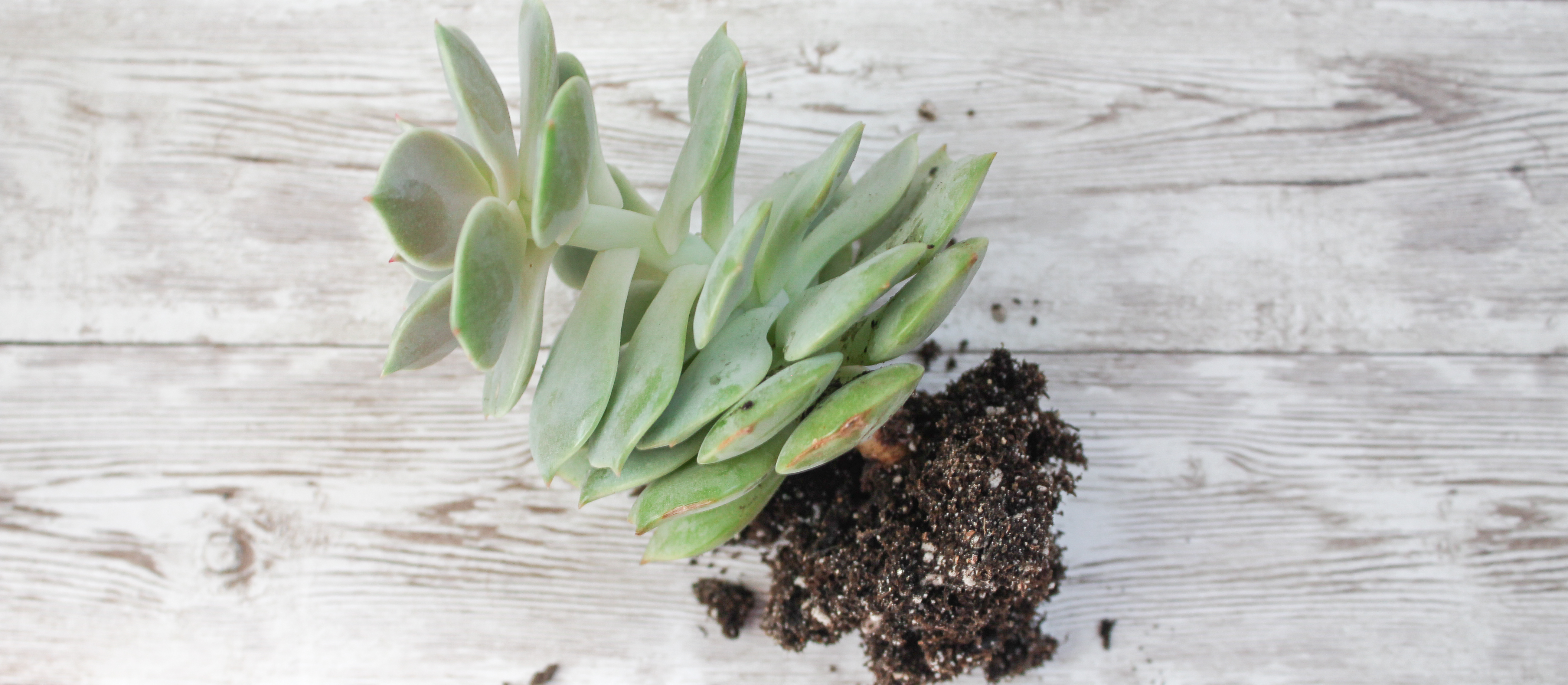
Light changes throughout the year.
In fall and winter, days shorten and the sun sits lower in the sky. Even plants that thrived all summer may suddenly begin stretching — without ever being moved.
This seasonal shift is subtle but powerful.
Fix It Fast:
As light levels drop, relocate succulents to your brightest available spot. Watch new growth carefully. That’s where you’ll see improvement first.
During winter, slower growth is normal. Water less often to match the lower light.
3. No Supplemental Grow Light
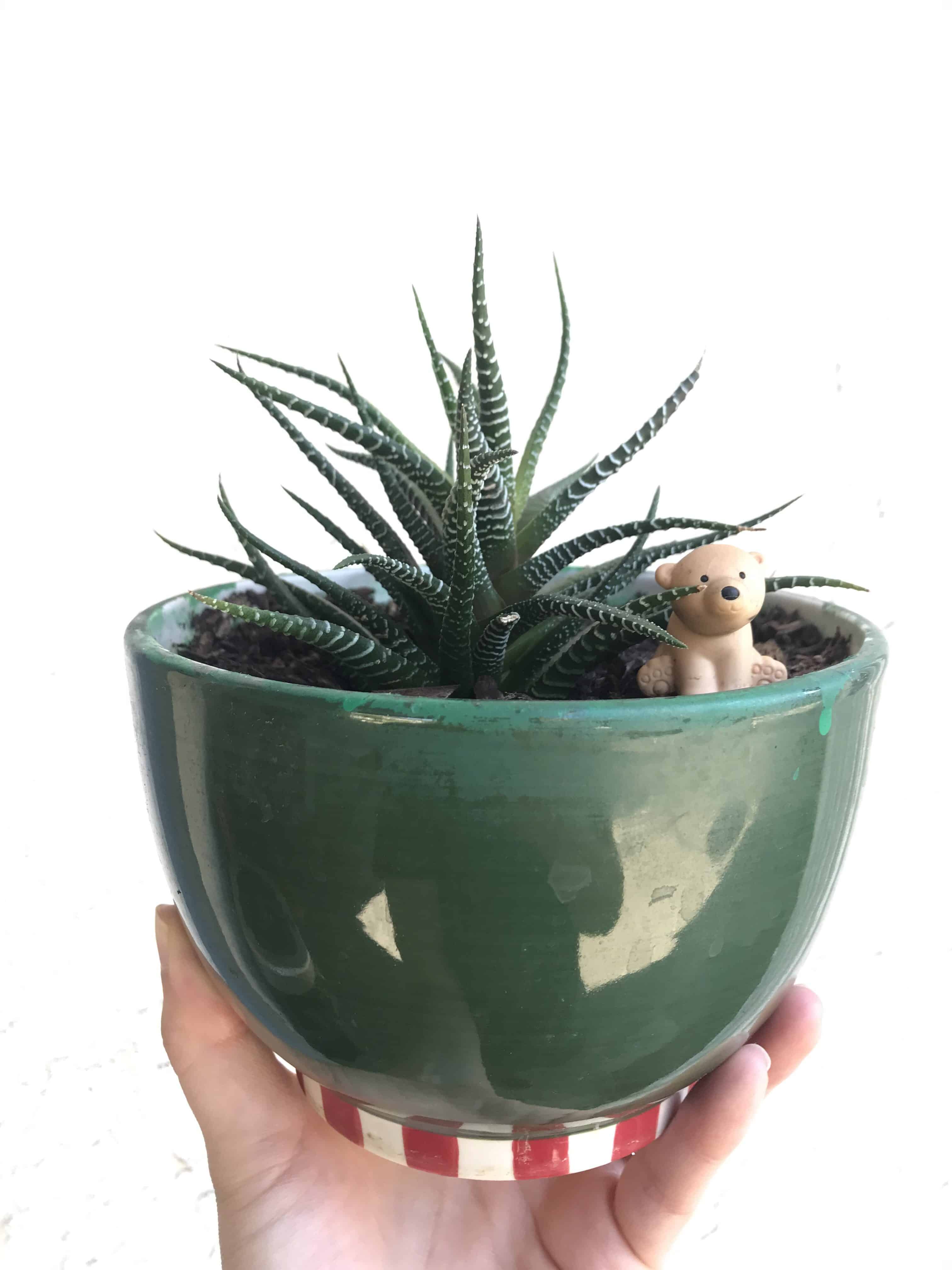
Some homes simply don’t provide enough natural light for succulents to stay compact year-round.
This is especially true in apartments, shaded houses, or rooms with limited window exposure.
Grow lights aren’t a failure. They’re often the most practical solution.
Fix It Fast:
Use a simple grow light positioned 6–12 inches above your plants. Keep it on for about 10–12 hours per day.
Consistent light is more important than intense bursts. With the right setup, succulents can thrive indoors beautifully.
4. Overwatering in Low Light
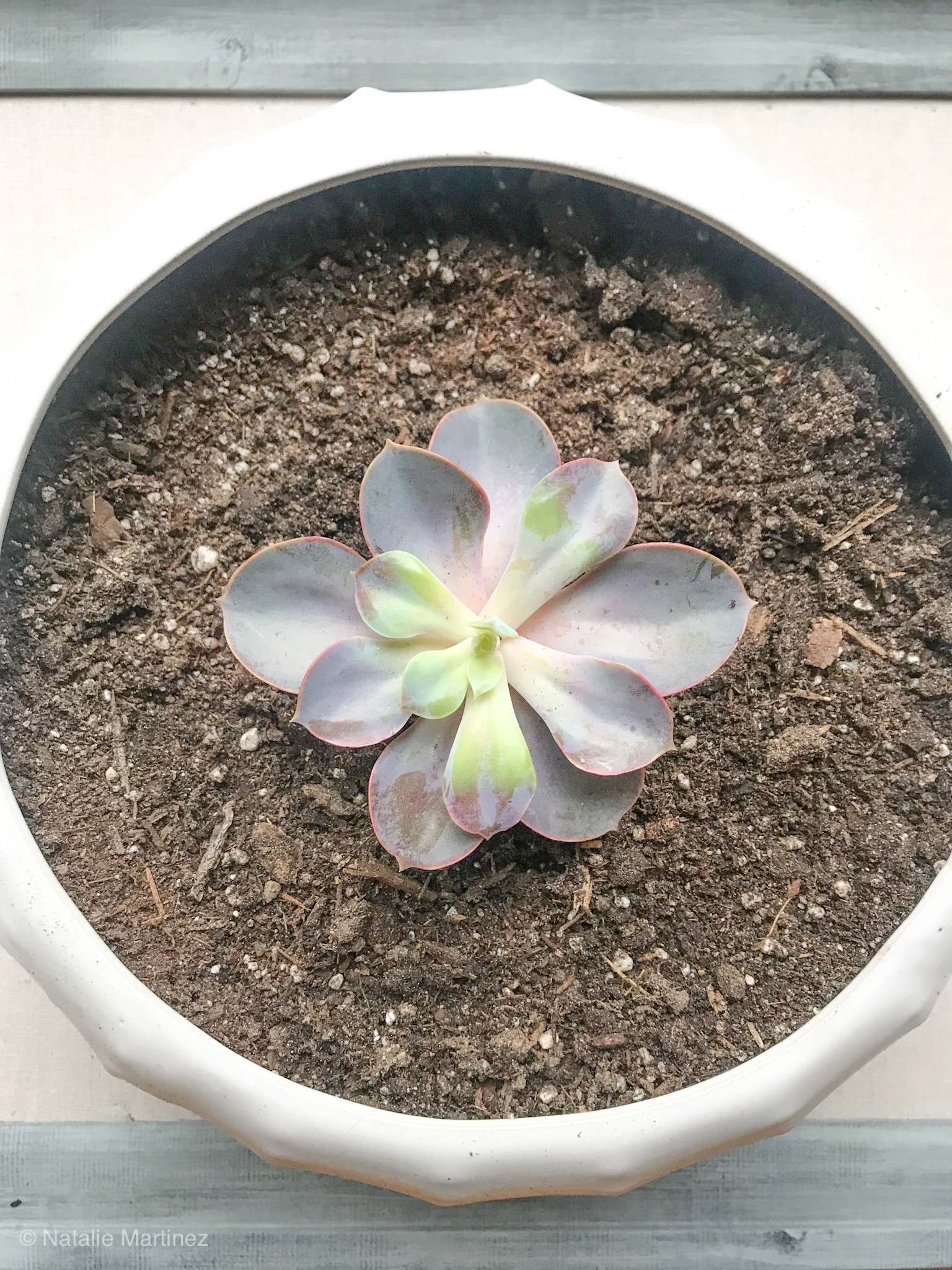
Water and light are closely connected.
When succulents receive too much water without enough light, they grow quickly — but that growth is soft, weak, and stretched.
This combination is common in winter, when watering habits stay the same but light levels drop.
Fix It Fast:
Let soil dry completely between waterings. In low light, water less often.
Slower growth is healthier growth. Succulents are built for restraint.
5. Sudden Changes in Light Conditions
Succulents don’t respond well to abrupt changes.
Moving a plant suddenly from shade to strong sun — or even experiencing a sharp seasonal shift — can cause uneven growth and stress.
Stretching often follows.
Fix It Fast:
Increase light gradually over 7–10 days. Allow plants time to adjust before pushing them into brighter conditions.
Slow transitions lead to stronger, more balanced growth.
6. Using Fertilizer Without Enough Direct Sunlight
Fertilizer encourages growth.
But without adequate light to support it, that growth becomes elongated instead of compact.
This often results in leggy stems and wide leaf spacing.
Fix It Fast:
Pause fertilizing if your succulents aren’t receiving strong light. Fertilize only during active growth periods, and only when light conditions are supportive.
Light should always come before fertilizer.
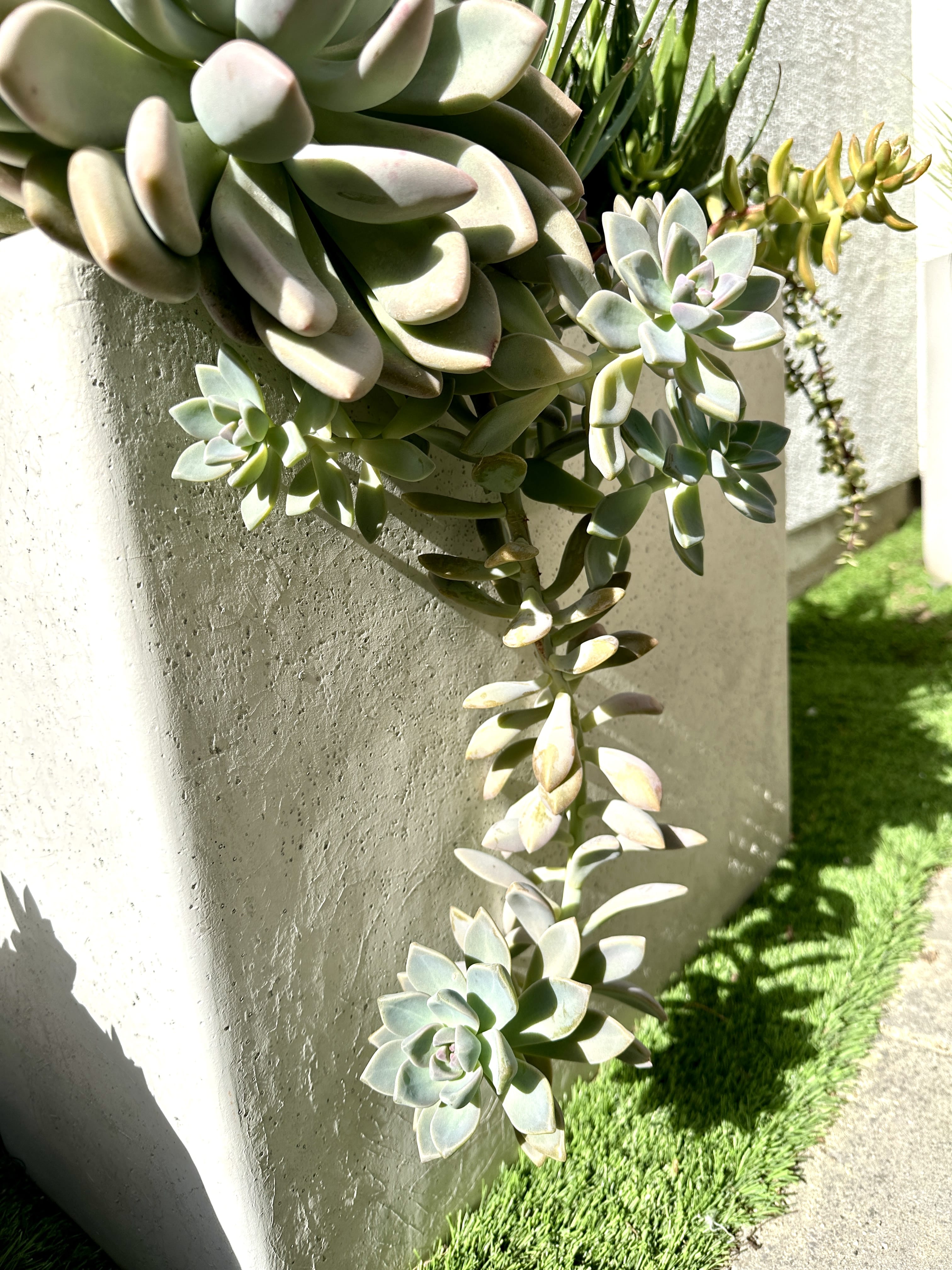
7. Some Succulents Naturally Grow Leggy or Cascading
Not all succulents are meant to stay tight and compact.
Some varieties naturally trail, elongate, or cascade — even in good conditions. Low light simply exaggerates this spacing.
Common examples include:
- Ghost plant (Graptopetalum paraguayense)
- Burro’s tail
- String of pearls
- String of bananas
- Trailing sedums
These plants have a softer, looser growth habit by design.
Fix It Fast:
Give these succulents as much bright light as possible to minimize excessive spacing. Use them in hanging planters or cascading arrangements where their form looks intentional.
Pruning and replanting cuttings can also help create a fuller look over time.
Why Old Growth Won’t Tighten Back Up
Once a succulent stretches, the old growth won’t return to its original shape.
That’s normal.
The goal isn’t to fix what’s already stretched, but to improve conditions so new growth forms compact and healthy.
New growth tells the real story.
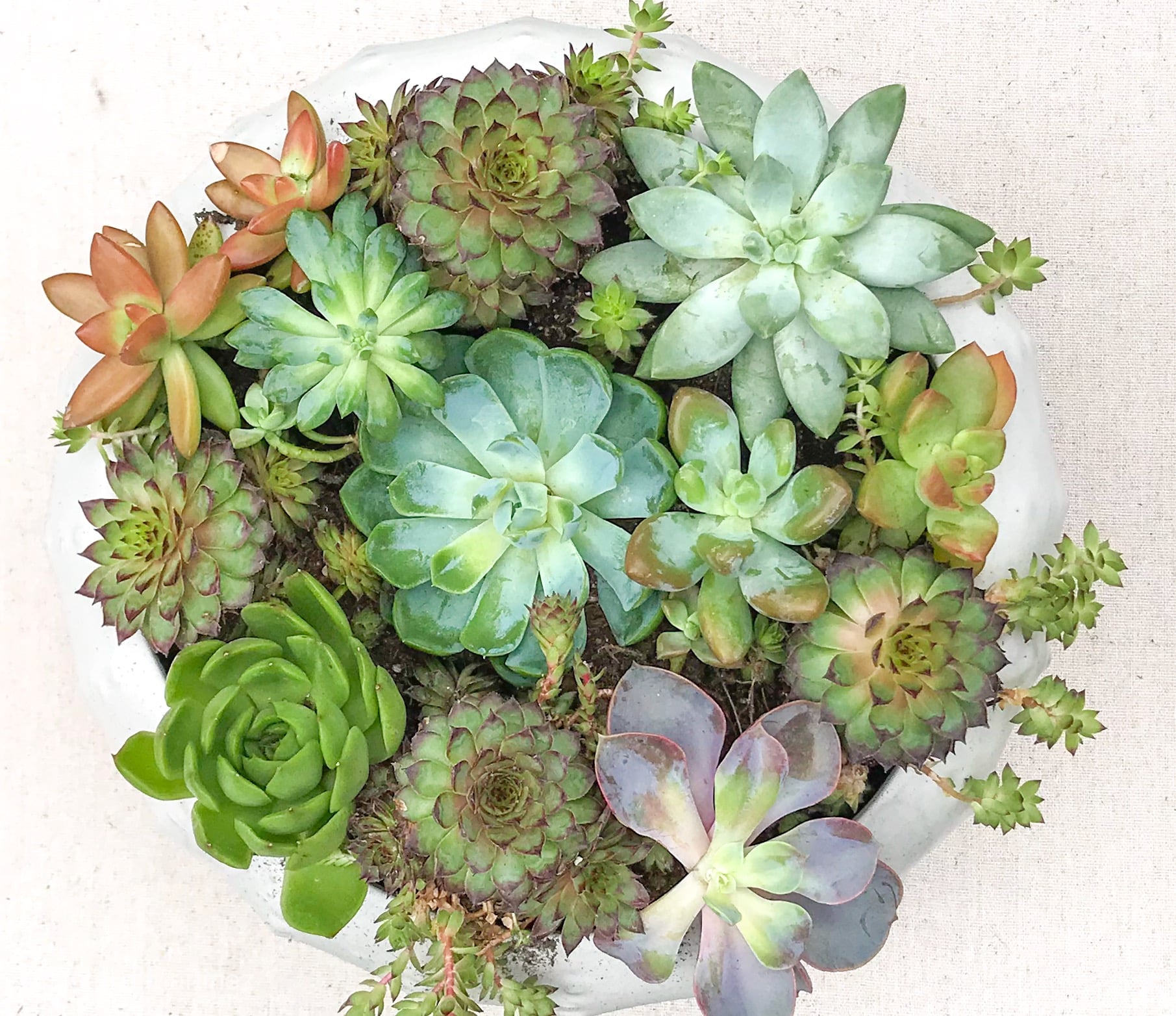
How to Fix Stretched Succulents for Good
Mild stretching often corrects itself with better light and adjusted watering.
More severe cases benefit from pruning and replanting healthy tops, allowing the plant to start fresh.
Over time, consistent light, seasonal awareness, and gentle care prevent most stretching issues before they begin.
Succulent stretching is incredibly common — and rarely permanent.
It doesn’t mean you failed. It means your plant responded to its surroundings.
With thoughtful adjustments and patience, succulents return to what they do best: growing slowly, beautifully, and with intention.
Small changes really do make all the difference.
