An Easy Home Garden Routine for a Tidy, Beautiful Space
For a long time, I thought keeping a garden looking nice required either endless time or expert-level knowledge. Every piece of advice seemed to assume you were pruning on a schedule, tracking watering days, and constantly researching what each plant needed. And honestly? That just isn’t realistic for most of us.
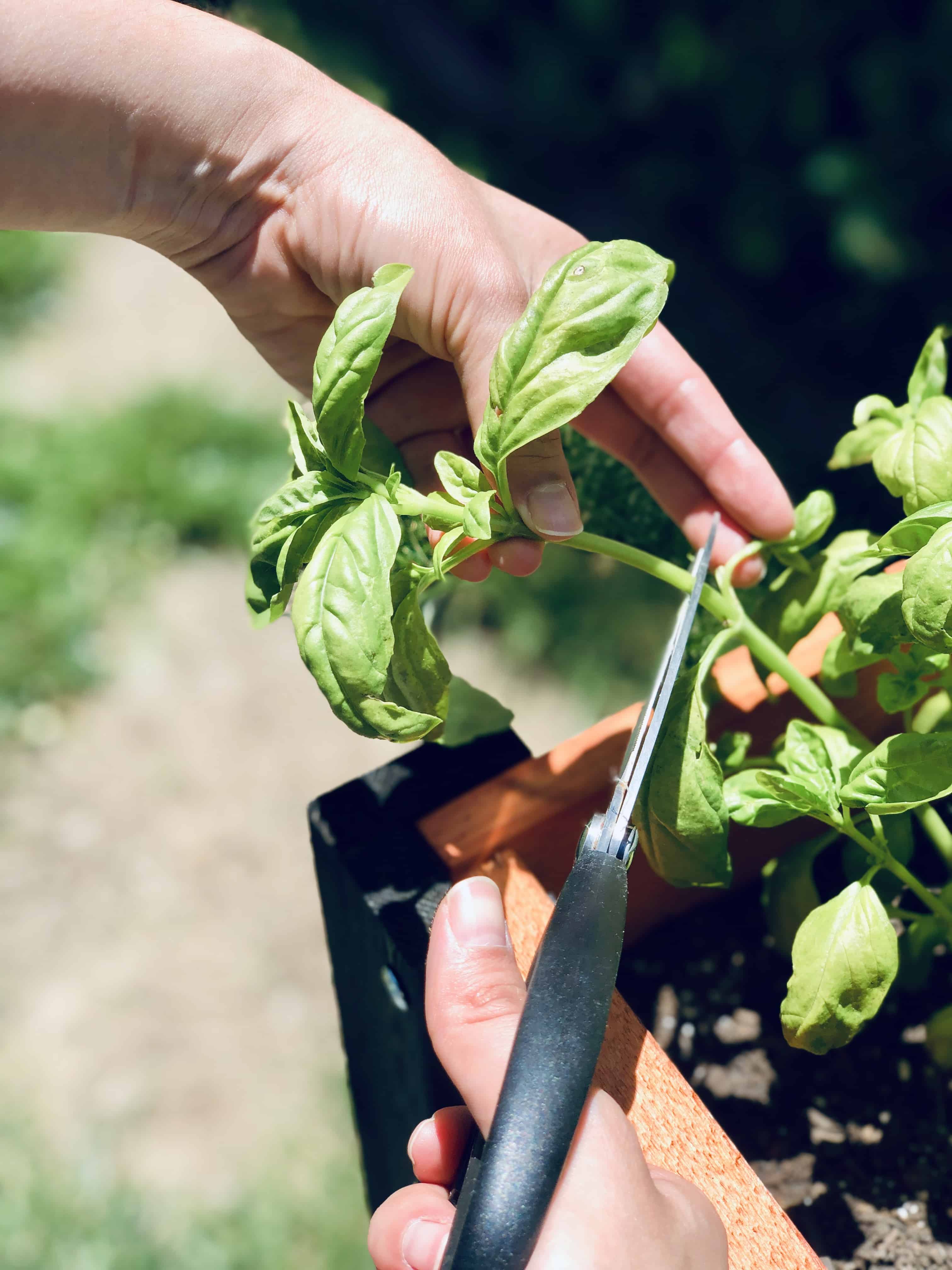
What I’ve learned over the years is that a garden doesn’t need constant attention to look good. It needs rhythm. A few small habits, done regularly, make far more of a difference than the occasional full day of hard work. This simple home garden routine is what I come back to season after season—it keeps everything looking intentional without turning gardening into a chore.
This routine works especially well for:
- Small yards
- Side yards
- Patios and balconies
- Container gardens
What This Routine Is (and Isn’t)
This routine is meant to support real life, not compete with it.
It is:
- Simple and flexible
- Focused on visual upkeep, not perfection
- Easy to adjust as seasons change
It isn’t:
- A daily checklist
- Expert-level gardening advice
- About having everything bloom all the time
If you enjoy gardening deeply, you can absolutely add more to this. But if your goal is simply to keep things looking good without stress, this approach is enough.
The Philosophy That Makes This Work: Little + Often
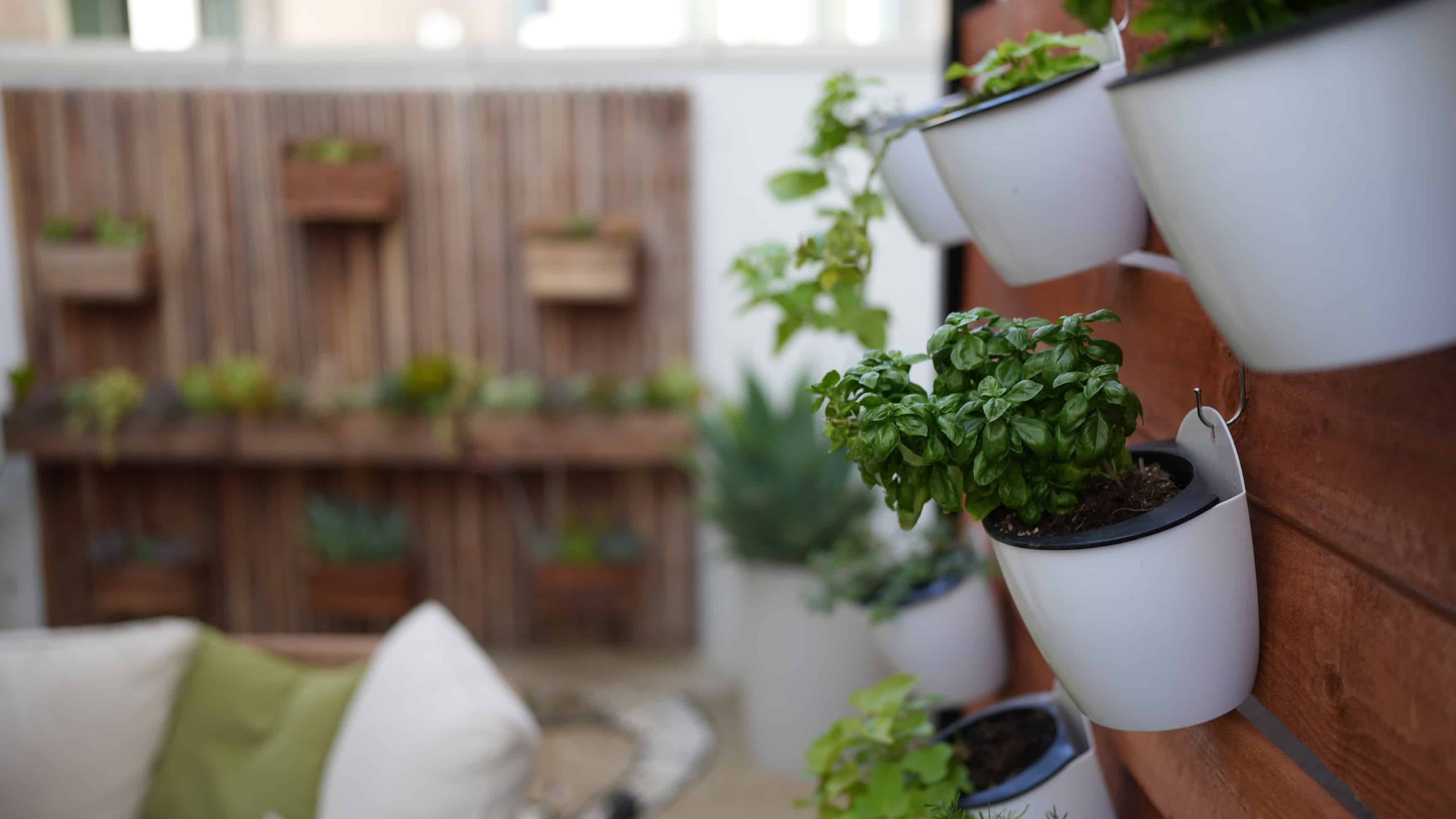
The biggest shift I made was letting go of the idea that garden care had to be done all at once. Instead of waiting until things looked terrible and then trying to fix everything in one afternoon, I started doing very small tasks more frequently.
This mindset works because:
- Plants respond better to light, consistent care
- Messiness is easier to prevent than fix
- Short sessions feel manageable, even on busy days
Five minutes here and fifteen minutes there keeps plants from looking overgrown, containers from looking forgotten, and outdoor spaces from feeling chaotic.
The Weekly Home Garden Reset (15–20 Minutes)
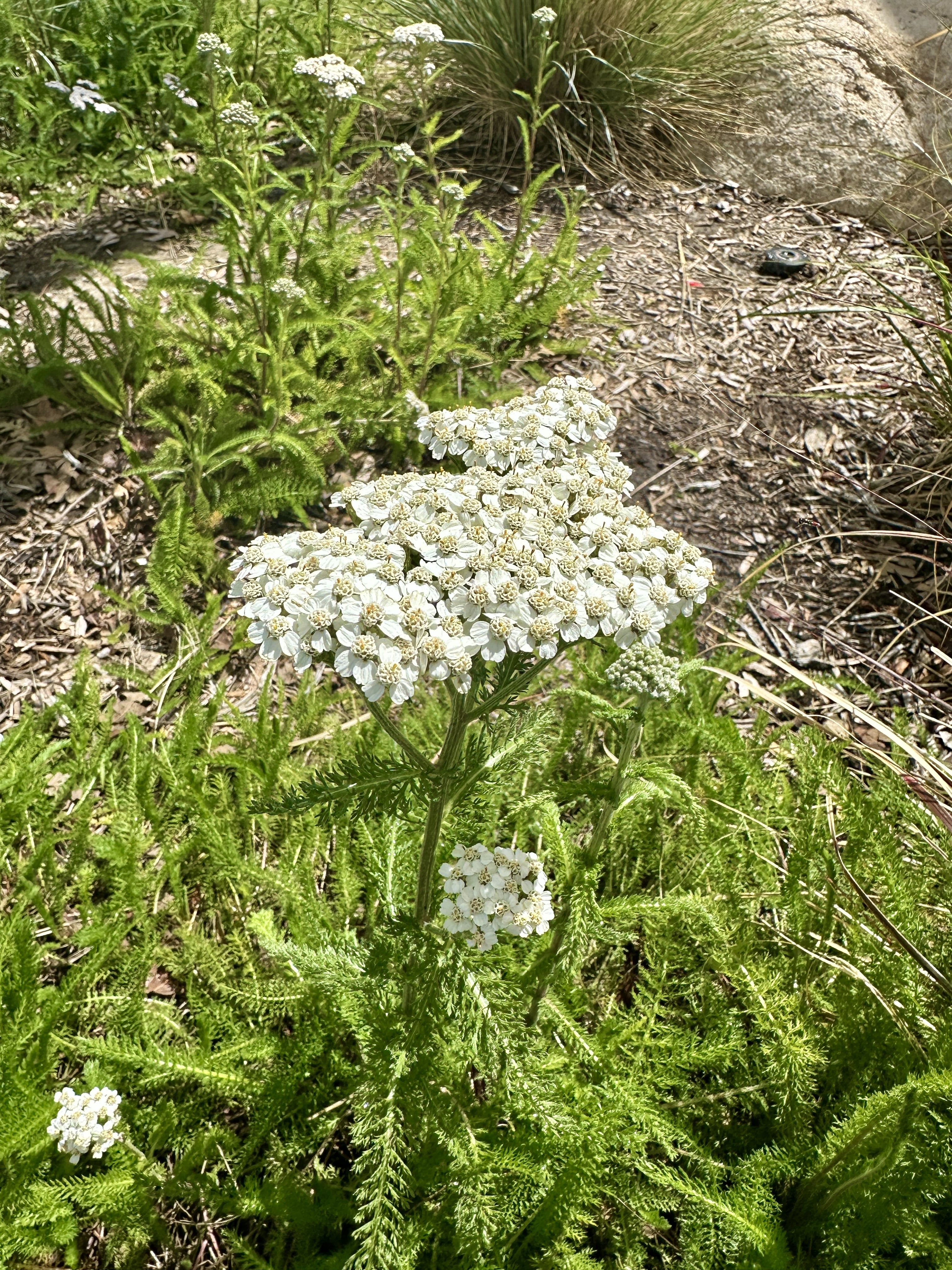
Once a week, I do a quick reset. I don’t rush it, and I don’t aim for perfection. I simply walk through the space and notice what looks tired or out of place.
During this reset, I focus on:
- Deadheading spent blooms and flowers
- Removing yellowing, dry, or damaged leaves
- Lightly reshaping plants that are creeping or flopping
- Straightening pots and containers so they feel intentional again
I’m not pruning aggressively—just nudging things back into balance.
This is also my favorite time to take photos. When everything is freshly tidied, the garden looks naturally styled without any extra effort.
Watering Without Overthinking It
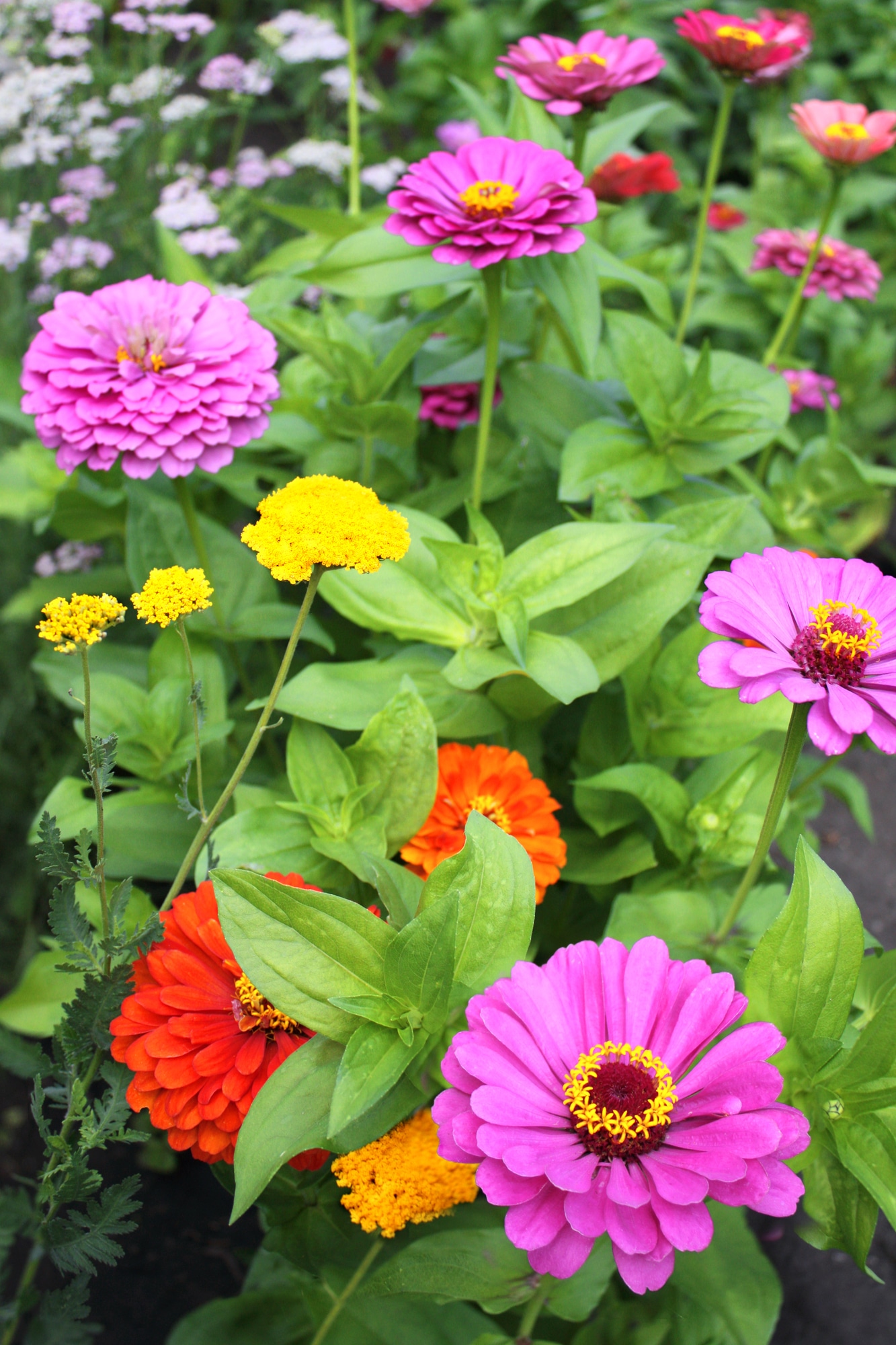
Watering doesn’t need to be complicated to be effective.
Instead of strict schedules, I rely on a few simple cues:
- Dry soil at the surface
- Pots that feel noticeably lighter
- Leaves that look dull or slightly droopy
I also group plants mentally:
- Containers need water more often
- In-ground plants usually hold moisture longer
Consistency matters more than precision. A steady, observant approach keeps plants healthy and prevents the stressed look that comes from irregular watering.
The Five-Minute Tidy That Makes the Biggest Difference
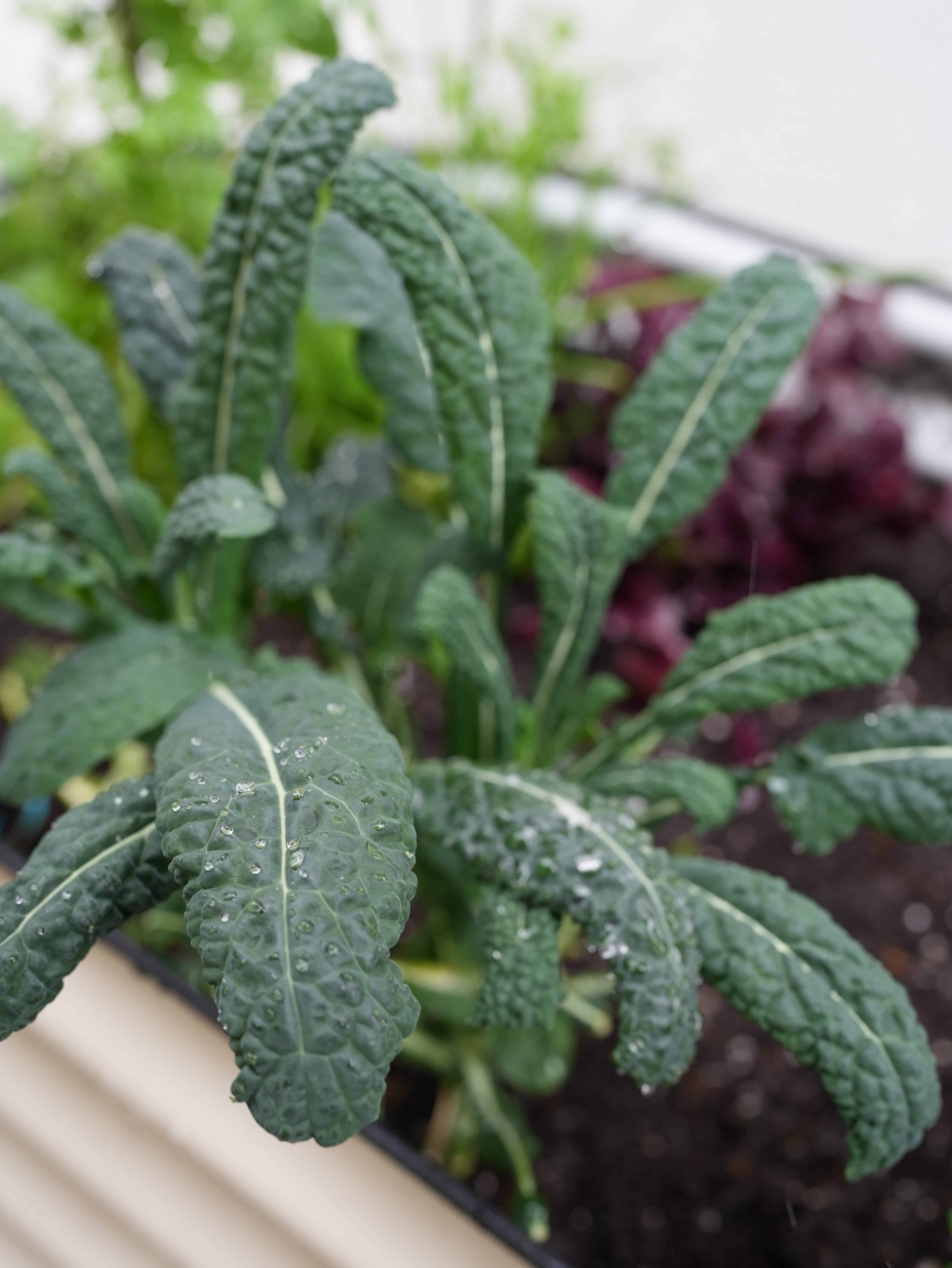
This step gives the highest return for the least effort.
Every few days—or whenever I’m already outside—I do a quick tidy:
- Clear fallen leaves, petals, and debris
- Pull tiny weeds while they’re still easy
- Wipe down dusty or water-stained pots
- Straighten stepping stones, trays, or plant groupings
These small actions instantly make the space feel cared for. Even simple plants look elevated when their surroundings are neat.
Monthly Refresh Tasks (Once a Month)
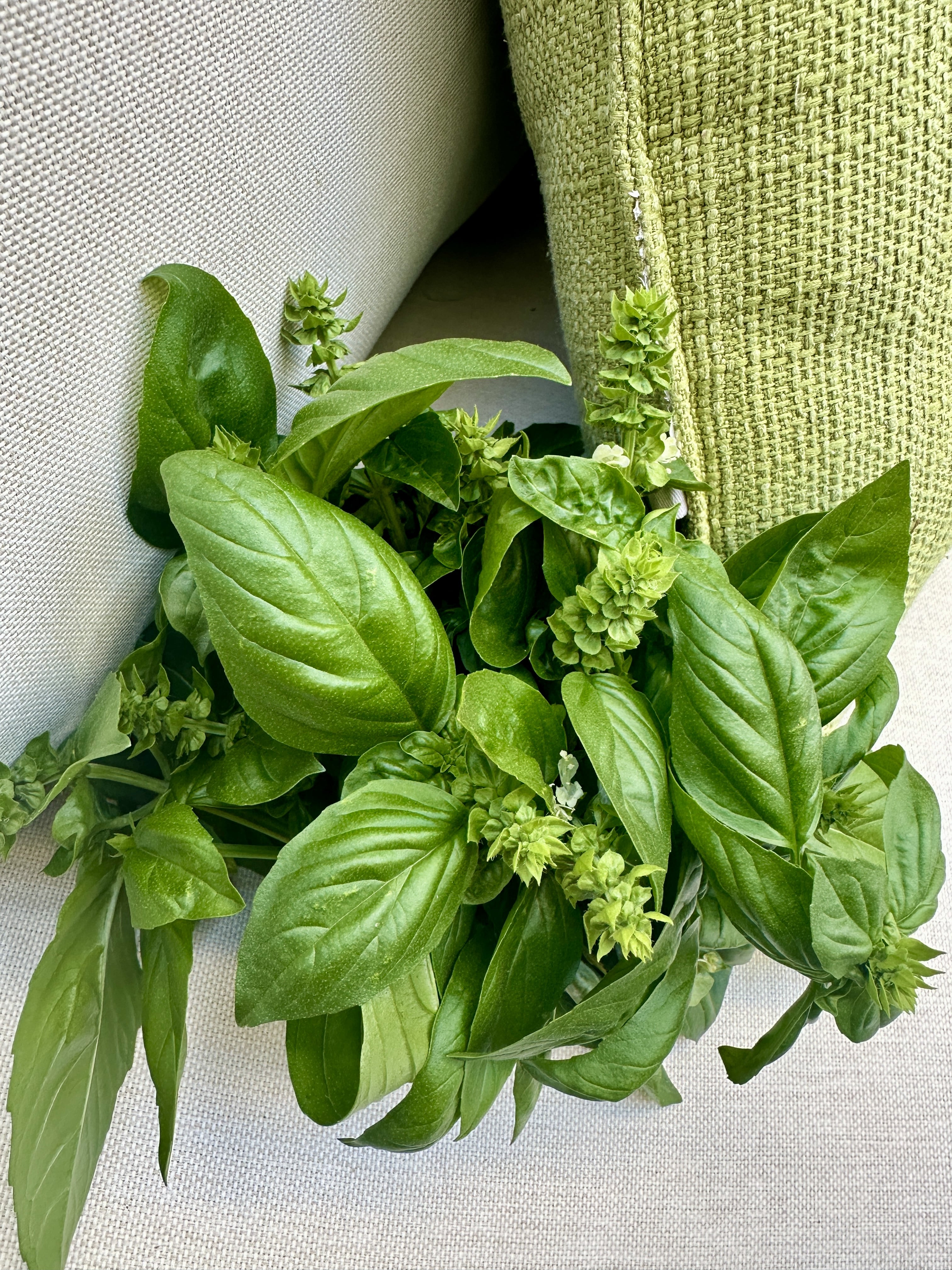
Once a month, I layer in slightly bigger maintenance tasks to keep things from slowly declining.
These usually include:
- Light pruning or reshaping
- Refreshing topsoil in containers
- Rotating pots for even growth
- Replacing one struggling plant instead of letting everything look tired
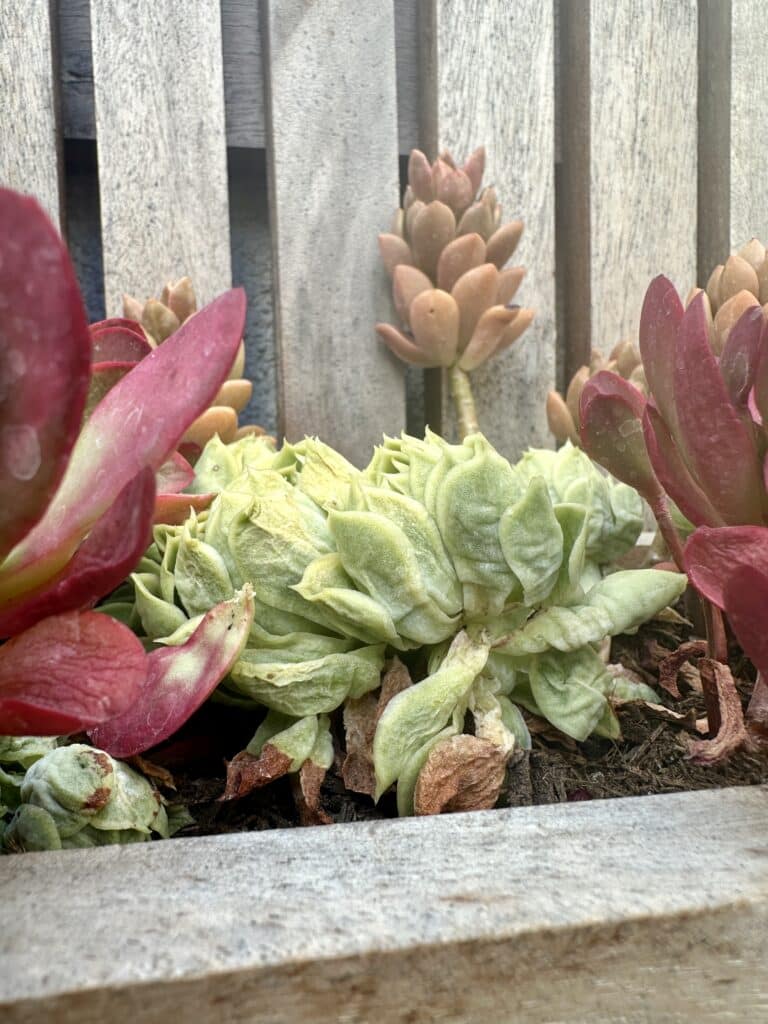
I’ve learned that replacing a single plant can do more for the space than trying to rescue everything at once.
Adjusting the Routine With the Seasons
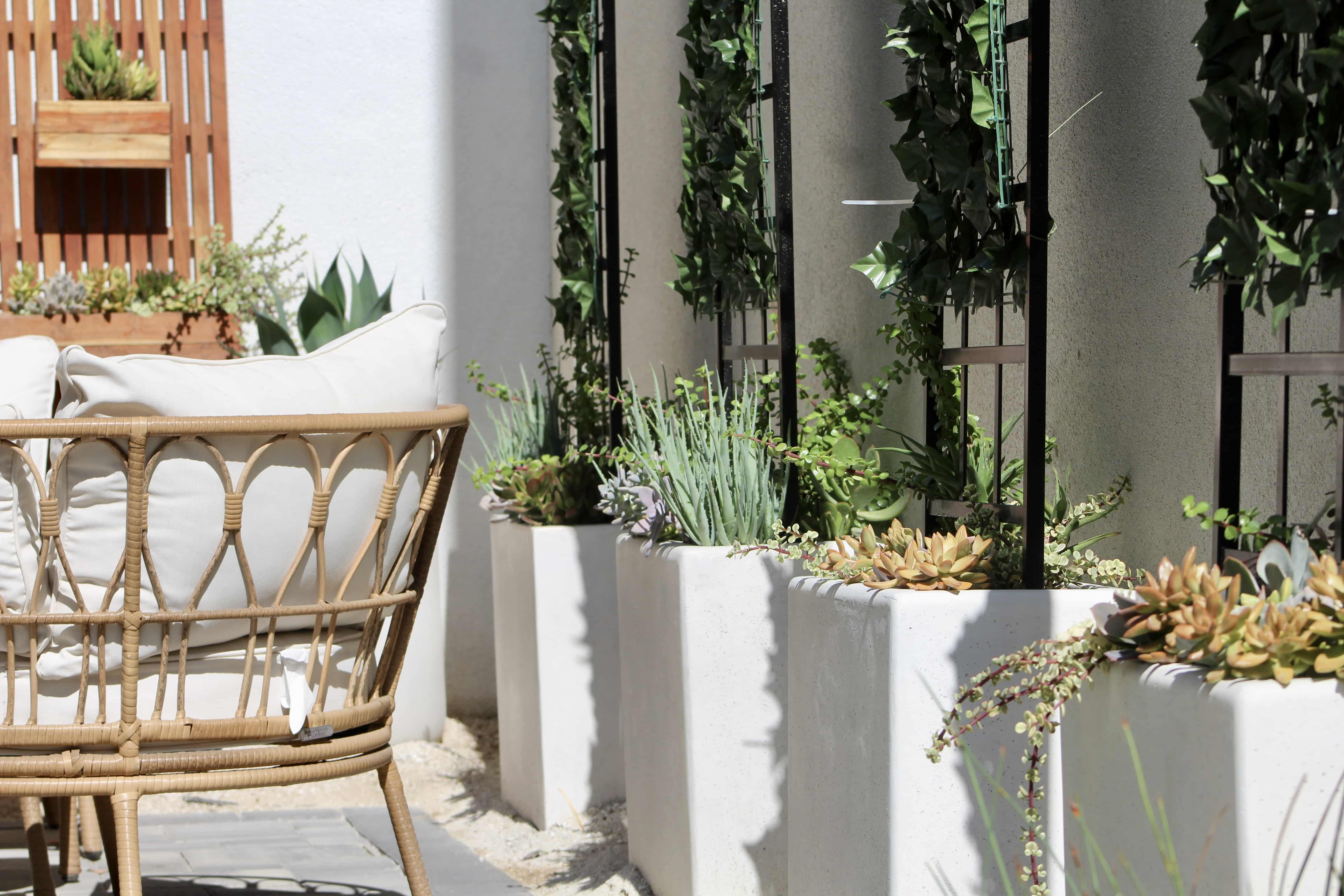
The structure stays the same year-round, but the focus shifts.
- Spring: cleanup and encouraging new growth
- Summer: watering and managing overgrowth
- Fall: tidying, shaping, and preparation
- Winter: observation, light cleanup, and planning
Some seasons require more effort than others, and that’s okay.
Why This Routine Keeps Your Garden Looking Photo-Ready
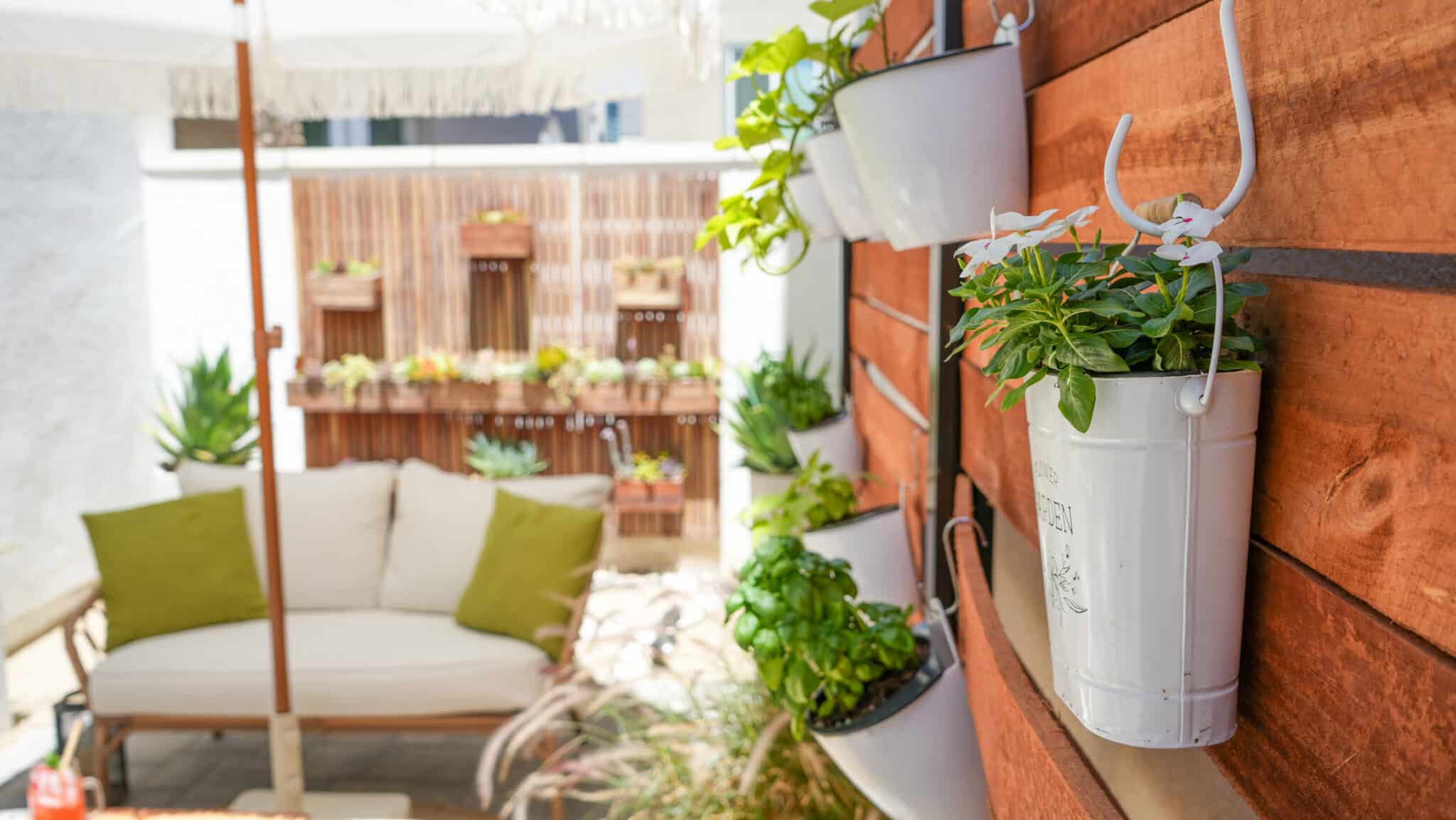
Because this routine prioritizes consistency and tidiness, the garden stays visually balanced. That makes it easy to:
- Add seasonal decor
- Style containers for holidays
- Capture photos without heavy staging
The garden becomes part of your home—not a separate project you have to “catch up” on.
A More Realistic Way to Think About Garden Care
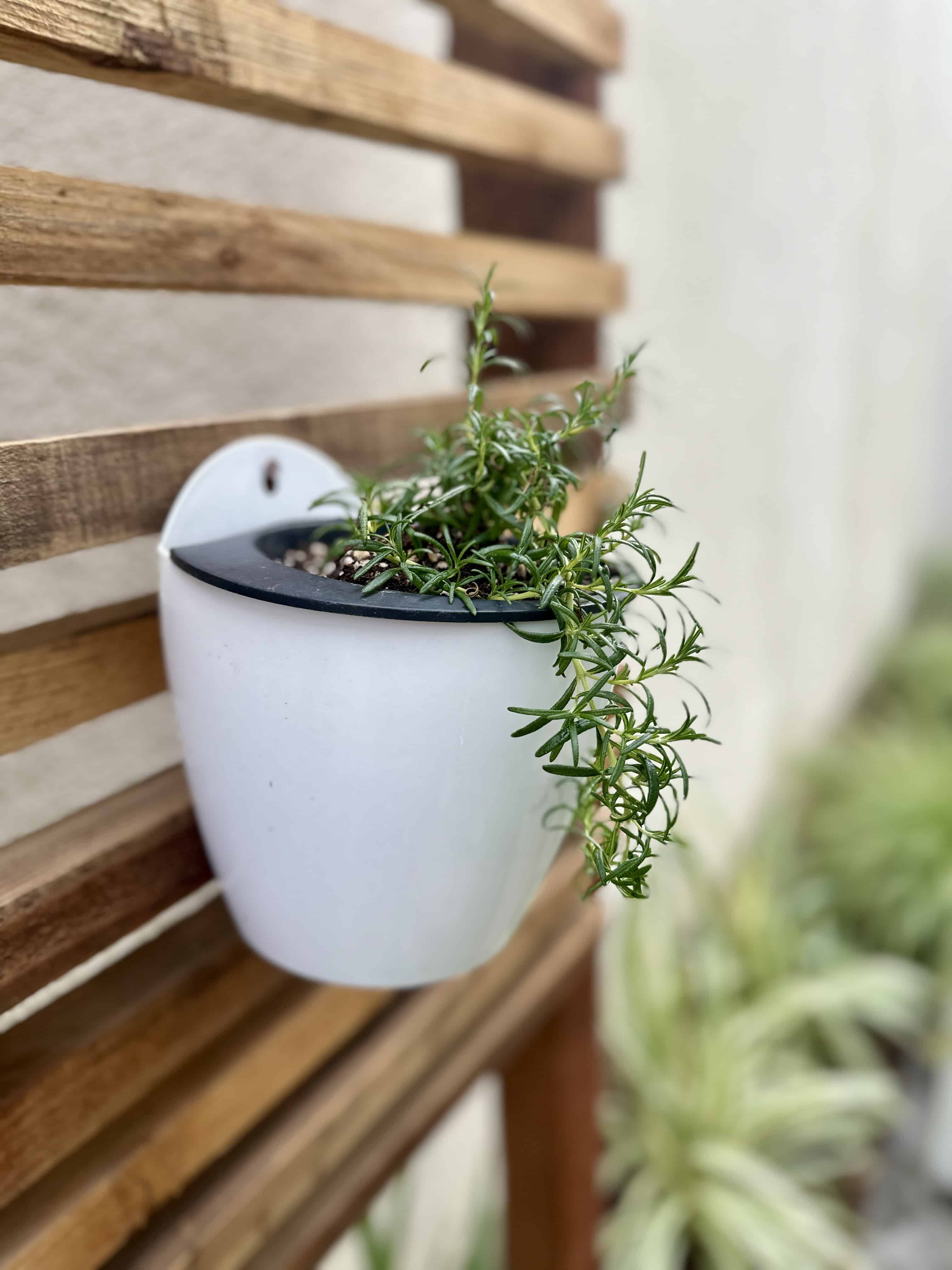
Not every plant will thrive. Some seasons will look messier than others. That doesn’t mean you’re failing.
A garden that looks lived-in can still be beautiful. This routine isn’t about control—it’s about gentle support.
If you’re overwhelmed, start small:
- One weekly reset
- One five-minute tidy
That alone can completely change how your garden feels.
A simple routine doesn’t just keep your garden looking good—it makes it easier to enjoy. And that’s what makes it sustainable.
