Lemon Whipped Cream (Light, Fresh & Ready in 5 Minutes)
A fresh, simple way to elevate everyday desserts
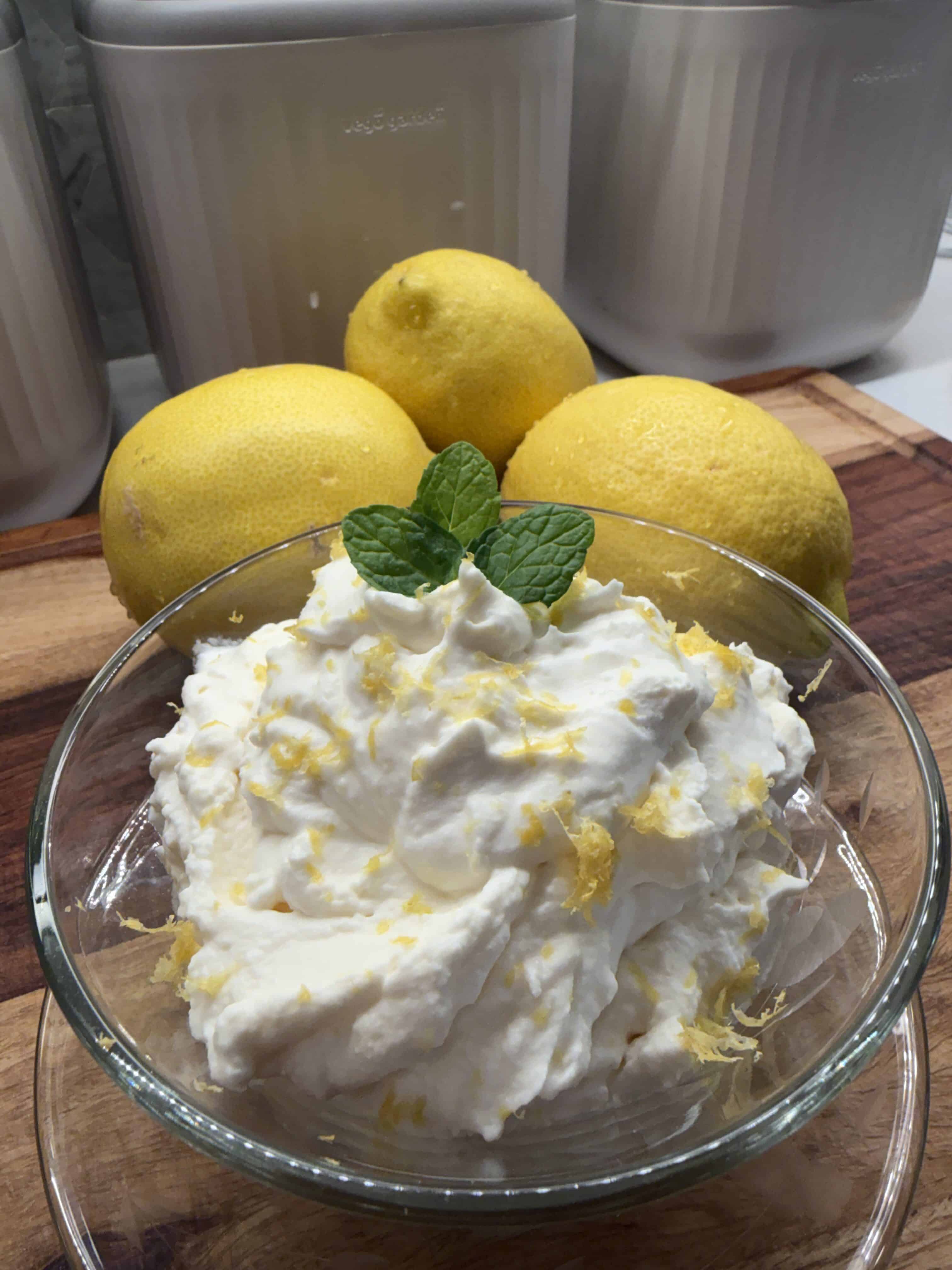
Lemon has a way of changing the entire direction of a dish. It lightens, sharpens, and brings just enough contrast to make something feel complete rather than heavy.
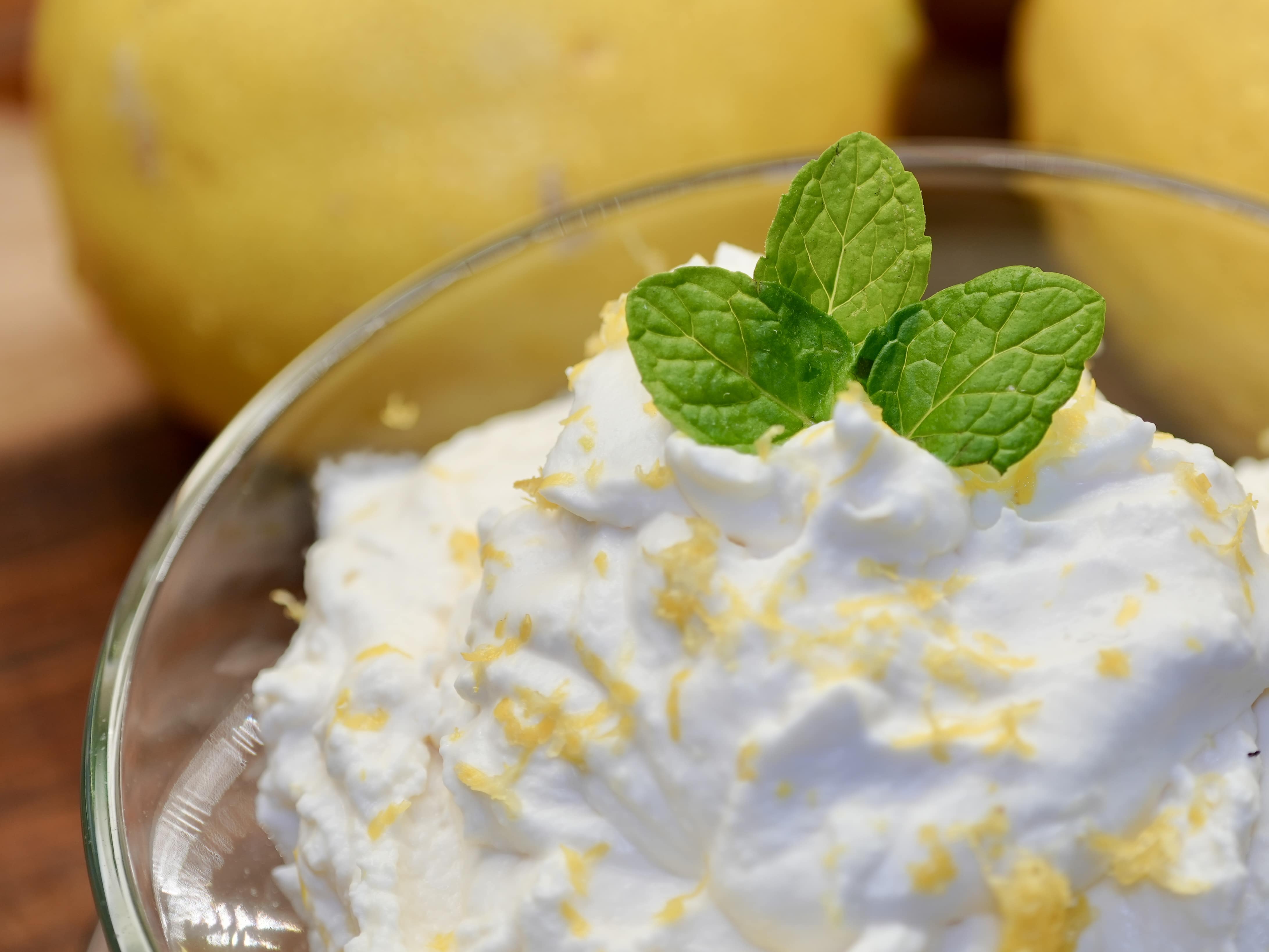
This whipped cream leans into that balance. It’s soft and airy, with a clean citrus finish that keeps it from feeling overly sweet. The kind of addition that doesn’t demand attention, but quietly improves everything it touches.
It takes only a few minutes to make, and once you’ve done it once, it becomes one of those things you return to often—especially in the warmer months, when desserts and drinks start to feel a little lighter and more relaxed.
Why This Works
This version is built around restraint. The sweetness is subtle, the lemon is present but not overpowering, and the texture stays light.
It’s also flexible. You can adjust the level of citrus depending on what you’re pairing it with, and it works just as well on a weekday afternoon as it does set out for guests.
More than anything, it’s reliable. No complicated steps, no guesswork—just a few ingredients coming together in a way that feels finished.
Ingredients
- 1 cup heavy whipping cream, cold
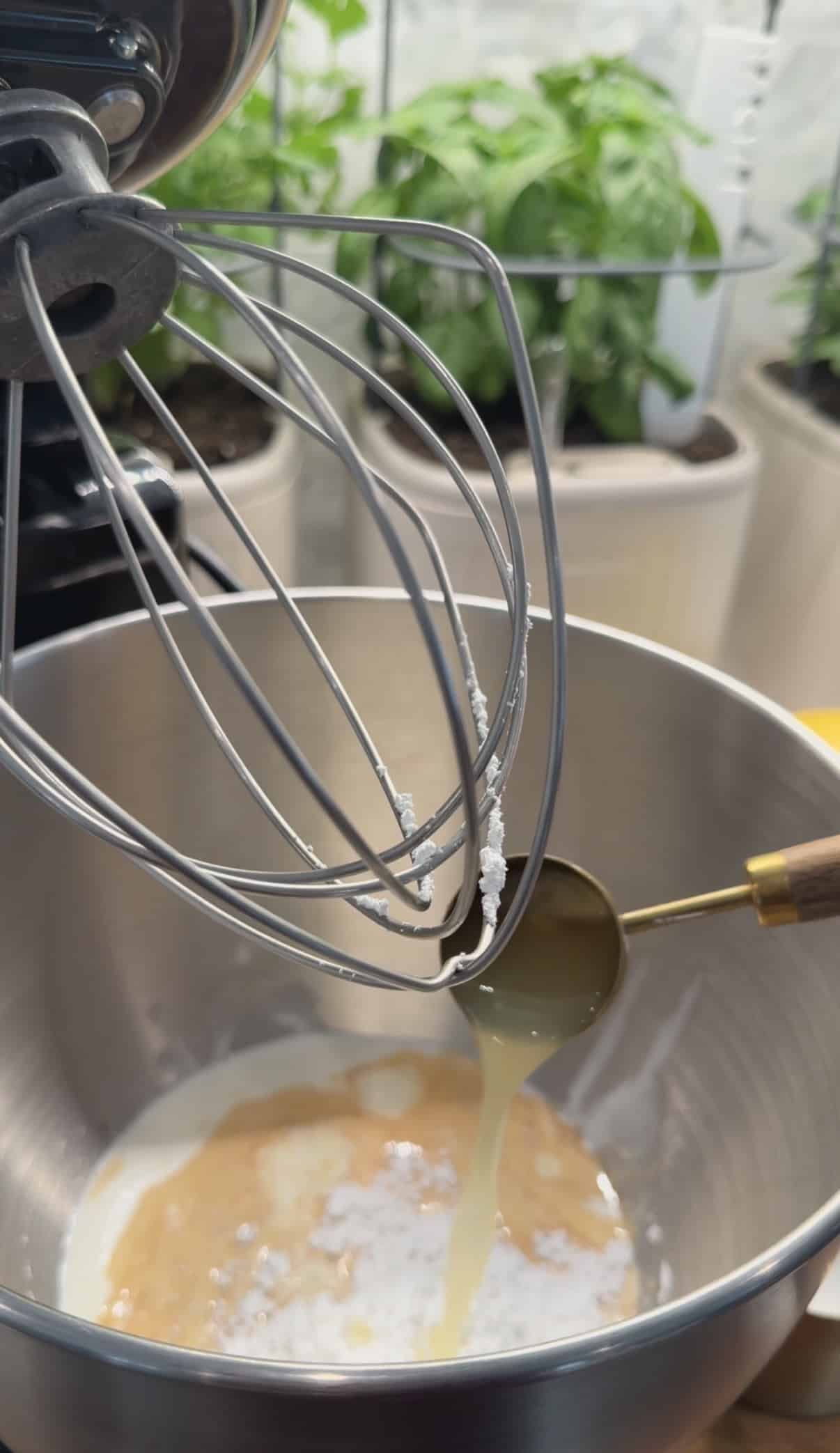
- 2 to 3 tablespoons powdered sugar
- 1 teaspoon vanilla extract
- 1 tablespoon fresh lemon juice
- 1 to 2 teaspoons lemon zest
Fresh lemon is worth using here. The juice adds brightness, but the zest is what gives the cream its depth without affecting the texture.
If you prefer a slightly sweeter version, you can increase the powdered sugar by a tablespoon. For a more pronounced citrus flavor, lean into the zest rather than adding more juice, which can thin the cream.
Method
Pour the cold cream into a mixing bowl and begin beating on medium speed. As it thickens, add the powdered sugar and vanilla.
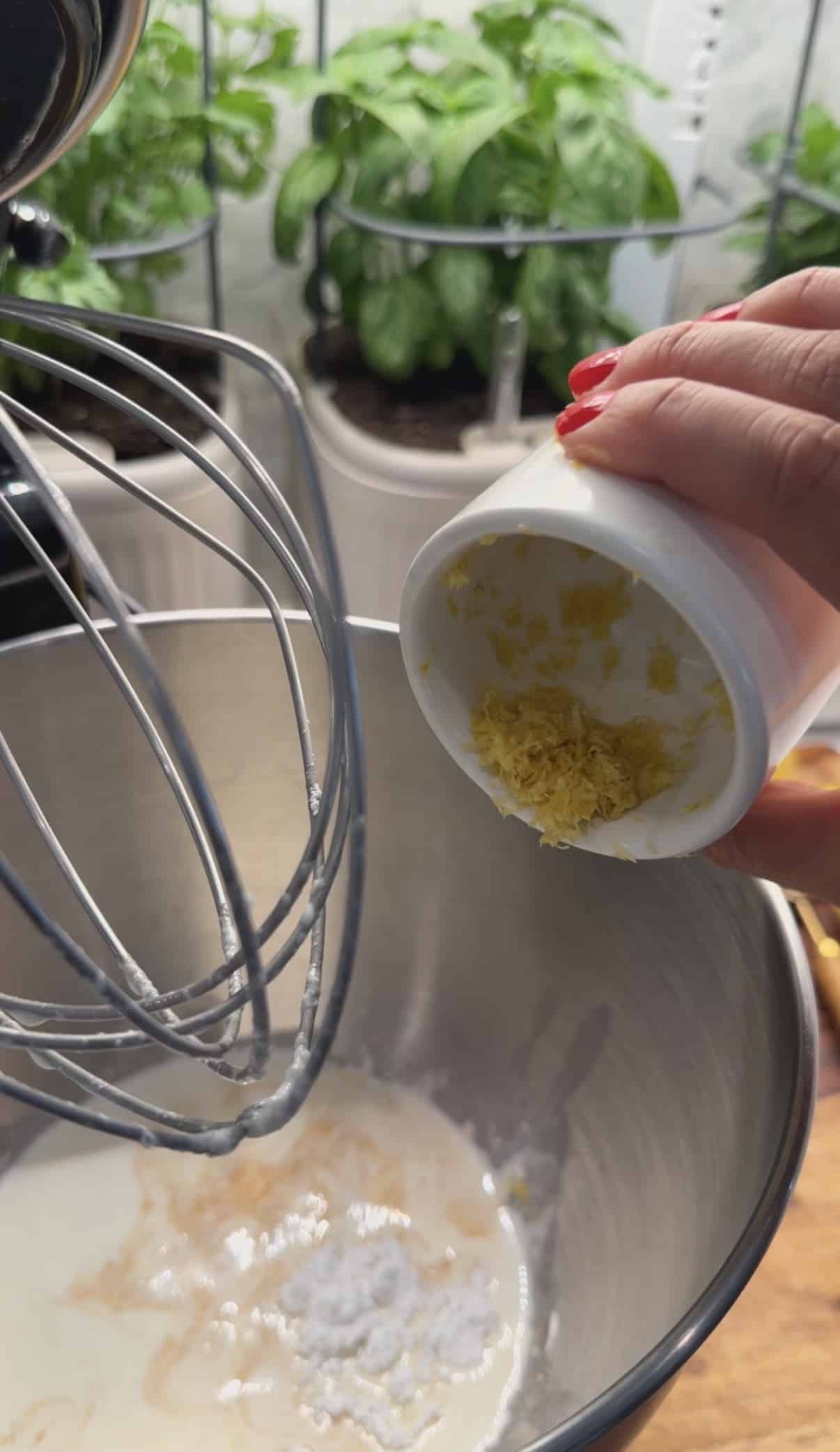
Once the cream becomes smooth and begins to hold its shape, add the lemon juice and zest. Continue mixing just until soft peaks form.
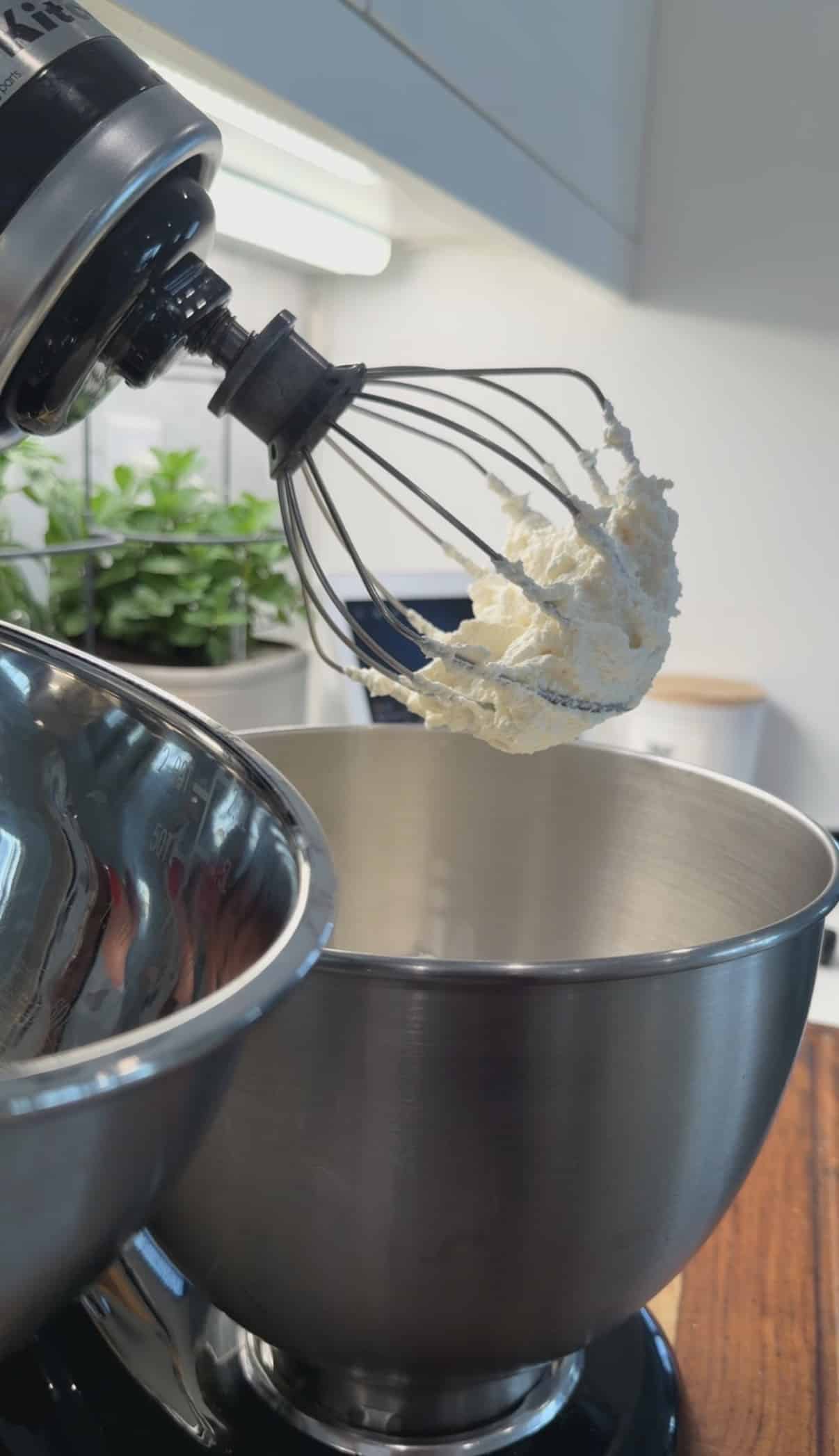
You’re looking for a texture that feels light and structured at the same time—soft enough to fold into, but stable enough to hold its shape when spooned.
If you’re unsure, stop the mixer and lift the whisk. The cream should gently hold its shape with a slight curl at the tip.
Getting the Texture Right
Whipped cream is simple, but small details matter.
Starting with cold cream makes it easier to build volume and helps the cream whip faster. If your kitchen runs warm, placing your mixing bowl in the refrigerator for 10–15 minutes beforehand can make a noticeable difference.
When it comes to flavor, lemon zest is your best tool. It adds intensity without disrupting the structure. Lemon juice, while essential, should be used more carefully—too much can loosen the cream and prevent it from fully whipping.
If the cream begins to look dense or slightly grainy, it’s likely been overwhipped. This can usually be corrected by gently folding in a tablespoon or two of fresh cream until the texture softens again.
How to Use Lemon Whipped Cream
This is where this recipe becomes part of your routine rather than something you make once and forget.
It’s especially useful when you want something to feel finished without adding much time or effort.
Spoon it over fresh berries or sliced fruit for a simple dessert that feels complete. It works beautifully with strawberries, blueberries, and stone fruit in the warmer months.
For breakfast, it adds a soft, citrusy layer to pancakes, waffles, or French toast. It melts slightly into warm surfaces, creating a light, creamy finish without feeling heavy.
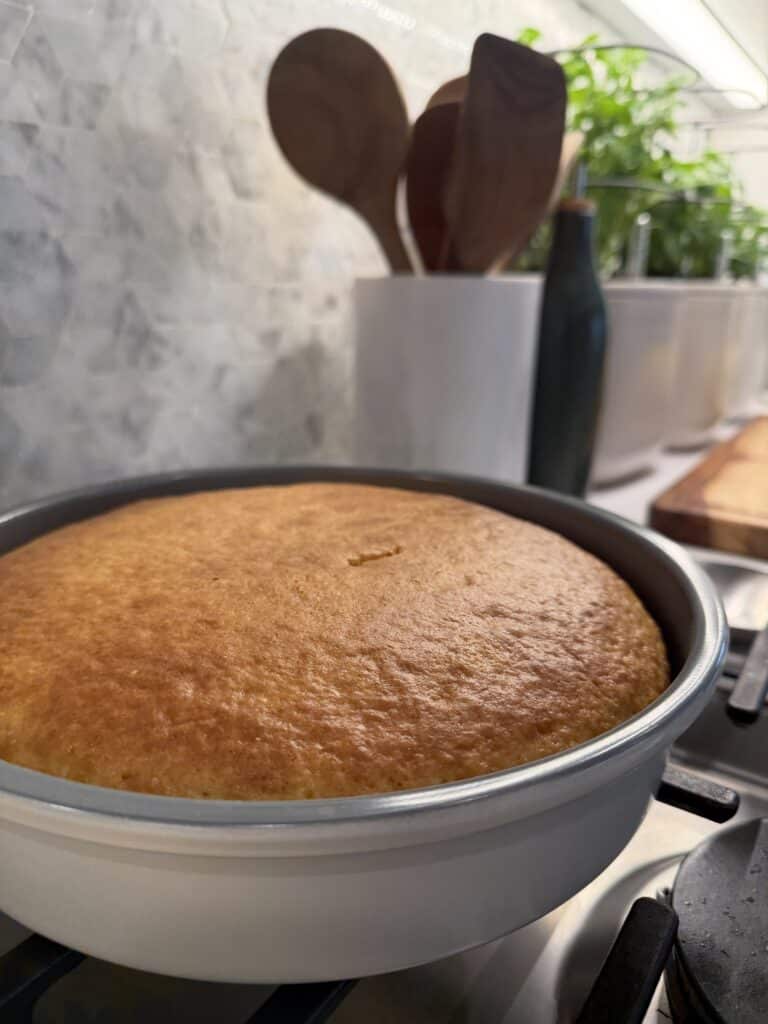
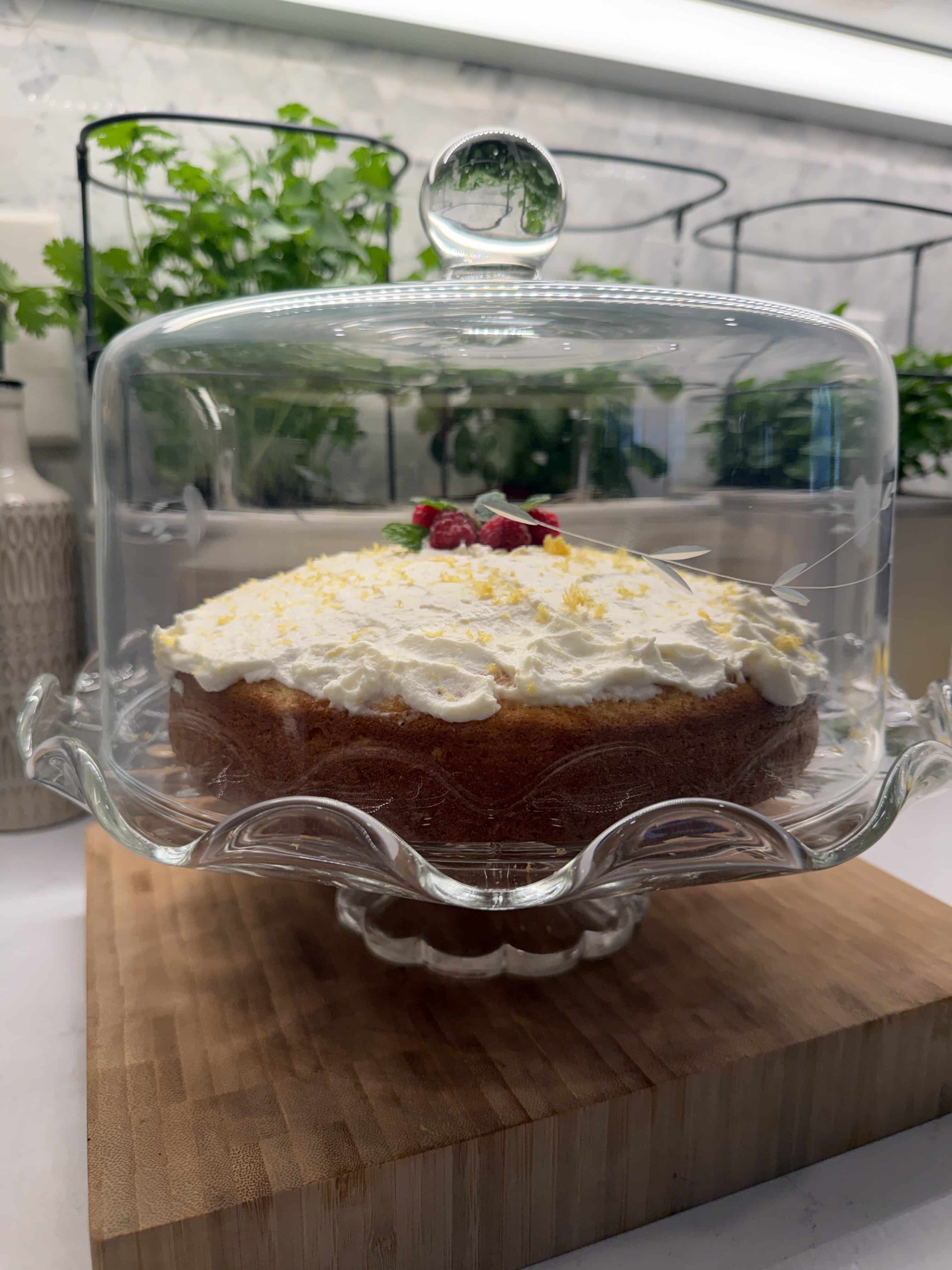
It’s also an easy way to elevate store-bought desserts. A plain pound cake, angel food cake, or even a boxed cake instantly feels more thoughtful with a generous spoonful on top.
In drinks, it creates a subtle but noticeable upgrade. Stir it into iced coffee or cold brew for a light lemon cream effect, or serve it alongside tea for something simple but intentional.
If you’re hosting or bringing something to share, this is one of those additions that makes everything else on the table feel more considered—without requiring extra preparation.
When to Make This
This is the kind of recipe that naturally fits into certain moments.
It’s especially at home in spring and early summer, when citrus feels fresh and desserts start to shift away from heavier flavors.

It works just as well for a quiet afternoon—something small to add to coffee or fruit—as it does for casual gatherings, brunches, or holidays like Easter, Mother’s Day, or any warm-weather get-together.
Because it’s so quick to prepare, it’s also a reliable last-minute addition when something feels like it needs just a little more.
Make Ahead & Storage
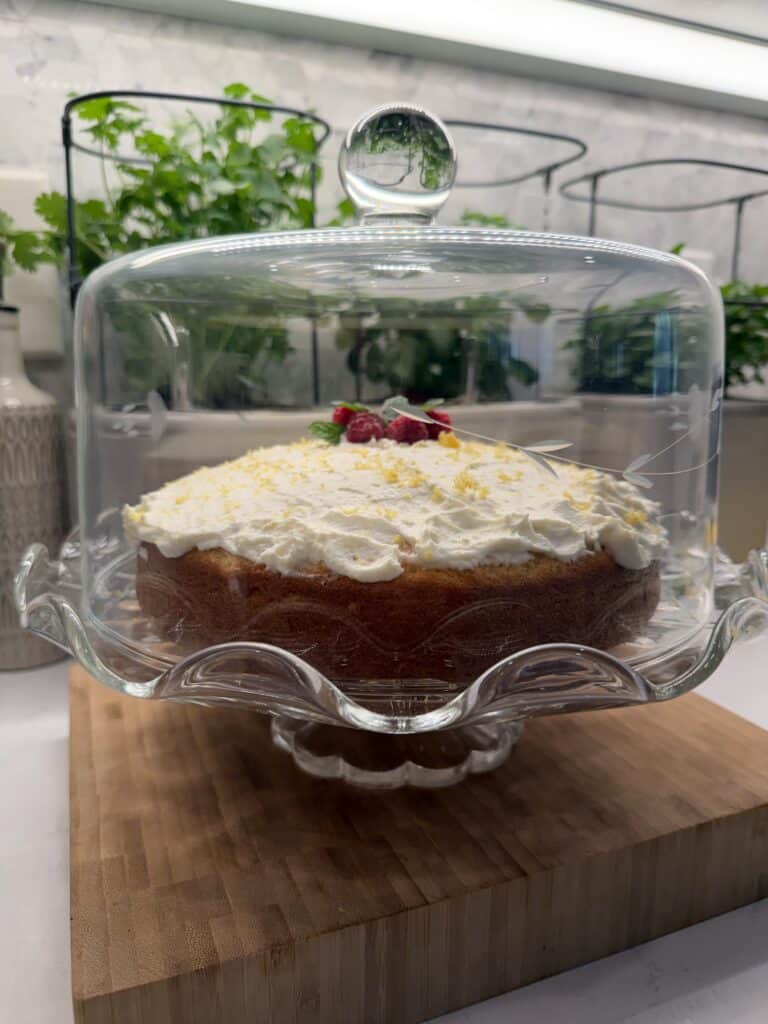
Lemon whipped cream is best enjoyed the day it’s made, when the texture is at its lightest and most airy.
If needed, it can be prepared a few hours in advance and stored in the refrigerator. Keep it in an airtight container to maintain its structure.
Before serving, give it a gentle whisk or stir to bring back its softness. Avoid overmixing at this stage—just enough to loosen it slightly.
It will keep for about one to two days, though it’s at its best within the first 24 hours.
Freezing is not recommended, as it can affect both the texture and consistency once thawed.
Variations
Once you’ve made the base version, it’s easy to adapt depending on what you have on hand.
Replacing powdered sugar with a bit of honey creates a softer, more delicate sweetness. Meyer lemons offer a more rounded citrus flavor that feels slightly less sharp.
For a warmer note, vanilla bean can be used in place of extract. And for something more layered, a small amount of culinary lavender pairs beautifully with the lemon, adding a subtle floral element without overwhelming the cream.
Each variation keeps the same foundation, just slightly shifted depending on the mood or occasion.
Tools You’ll Need
This recipe doesn’t require anything complicated, but having a few reliable tools makes the process easier and more consistent.
A hand mixer or stand mixer helps achieve the right texture quickly. A sturdy mixing bowl gives you enough space to work comfortably. A fine citrus zester ensures you’re getting the most flavor from your lemon without bitterness.
These are simple kitchen staples, but they’re the kind you’ll reach for often—not just for this recipe, but for everyday use.
Frequently Asked Questions
Can I make this without powdered sugar?
Yes, though powdered sugar blends more smoothly and helps stabilize the cream. Alternatives like honey or maple syrup can be used, but may slightly change the texture.
Why is my whipped cream runny?
This usually happens if the cream hasn’t been whipped long enough or if too much liquid (like lemon juice) has been added. Continue whipping gently, or add a bit more cream to help it come together.
Can I use bottled lemon juice?
Fresh lemon juice is recommended for the best flavor. Bottled juice can work in a pinch, but it won’t have the same brightness.
How do I make it thicker?
Whip slightly longer, being careful not to overwhip. You can also reduce the amount of lemon juice and rely more on zest for flavor.
A Small Upgrade That Sticks
Not everything needs to be elaborate to feel thoughtful.
This is the kind of addition that fits easily into your day—quick to make, easy to use, and consistently good. The kind of thing that makes simple food feel just a little more complete.
And once it becomes familiar, you’ll find yourself reaching for it without thinking, knowing it will do exactly what it needs to.
