Edible Garnishes You Can Grow in Your Garden
It feels so incredibly satisfying to step outside, snip a few fresh leaves or flowers from your garden, and use them to adorn a drink or plate.
It’s a small detail. But it changes everything.
A sprig of rosemary turns lemon water into something that feels intentional. A few nasturtium flowers scattered over a salad make it look like it came from a café. A handful of mint in a glass jar on the counter makes the whole kitchen feel fresh.
The best part? Most edible garnishes are easy to grow — even in small spaces.
You don’t need a full vegetable garden. A few pots on a patio, balcony, or side yard are more than enough. In fact, many of the prettiest edible garnishes actually prefer containers.
If you love the idea of “garden-to-table” but want it to feel doable, start here.
Why Grow Edible Garnishes?
Garnishes are often treated as an afterthought. But when you grow them yourself, they become part of your rhythm.
They’re:
- Easy to maintain
- Fast-growing
- Productive in small spaces
- Beautiful even when you’re not harvesting them
And unlike full vegetable beds that require constant attention, garnish plants tend to be forgiving. Many are herbs. Many are flowers. Many thrive in pots.
A simple “garnish garden” near your kitchen door is one of the most practical ways to grow food — because you’ll actually use it.
1. Nasturtiums (The Showstopper)
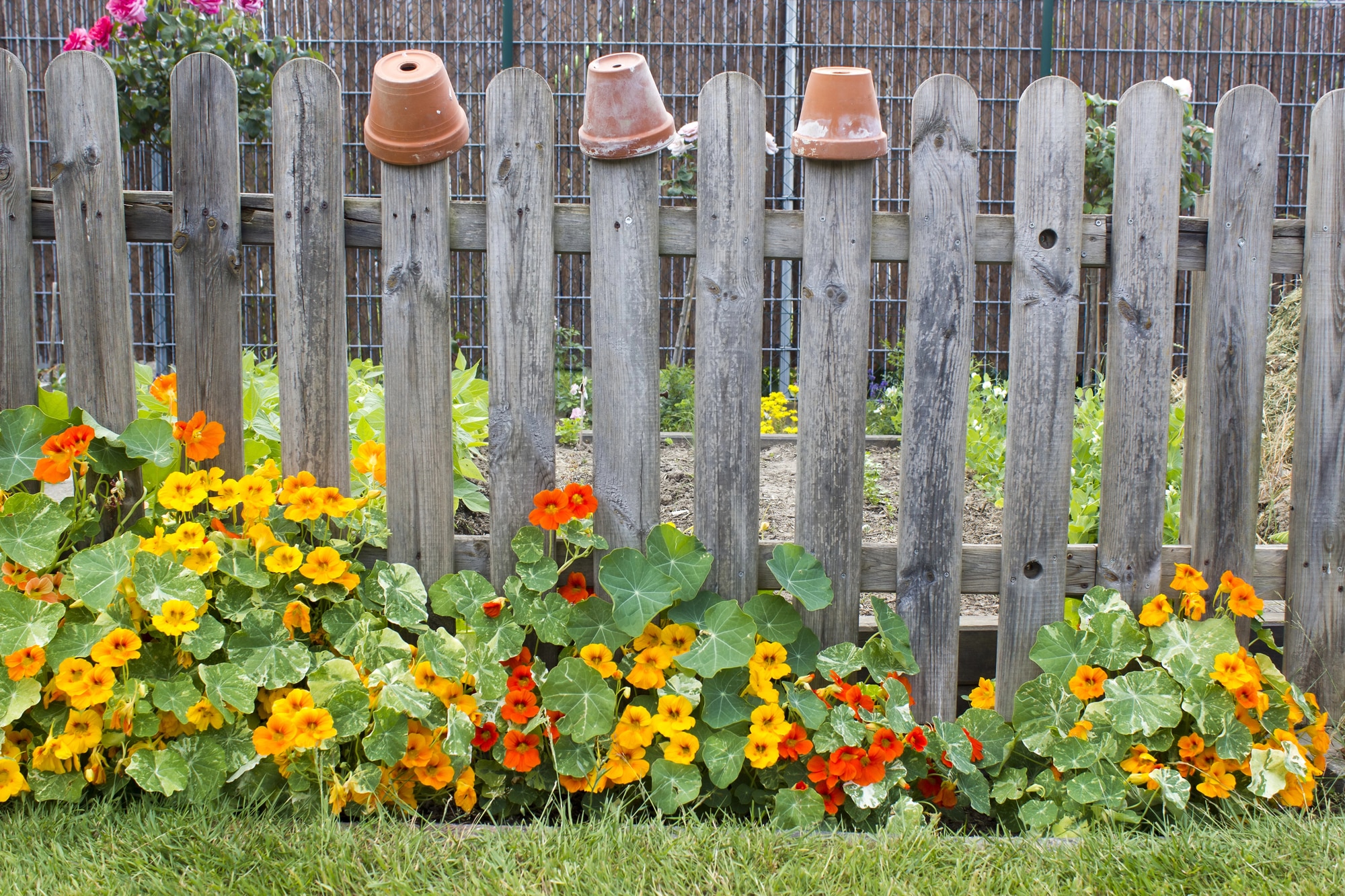
If you grow only one edible flower, make it nasturtiums.
Nasturtiums (Tropaeolum majus) are bold, cheerful, and completely edible — flowers and leaves alike. Their round leaves spill beautifully over container edges, and the bright orange, red, and yellow blooms instantly elevate whatever you place them on.
What They Taste Like
Nasturtiums have a fresh, peppery flavor similar to arugula. The leaves are slightly stronger than the flowers, but both add a pleasant bite to salads and savory dishes.
How to Grow Nasturtiums
They’re incredibly beginner-friendly.
- Full sun to partial sun
- Moderate watering
- Direct sow from seed (they don’t love being transplanted)
- Grow beautifully in containers
One important tip: don’t over-fertilize. Poorer soil actually encourages more blooms. Too much fertilizer will give you lush leaves but fewer flowers.
How to Use Them
- Scatter whole flowers over salads
- Top avocado toast
- Add to charcuterie boards
- Freeze into ice cubes
- Garnish lemon water or cocktails
They feel fancy, but they’re wonderfully simple.
2. Mint (The Everyday Essential)
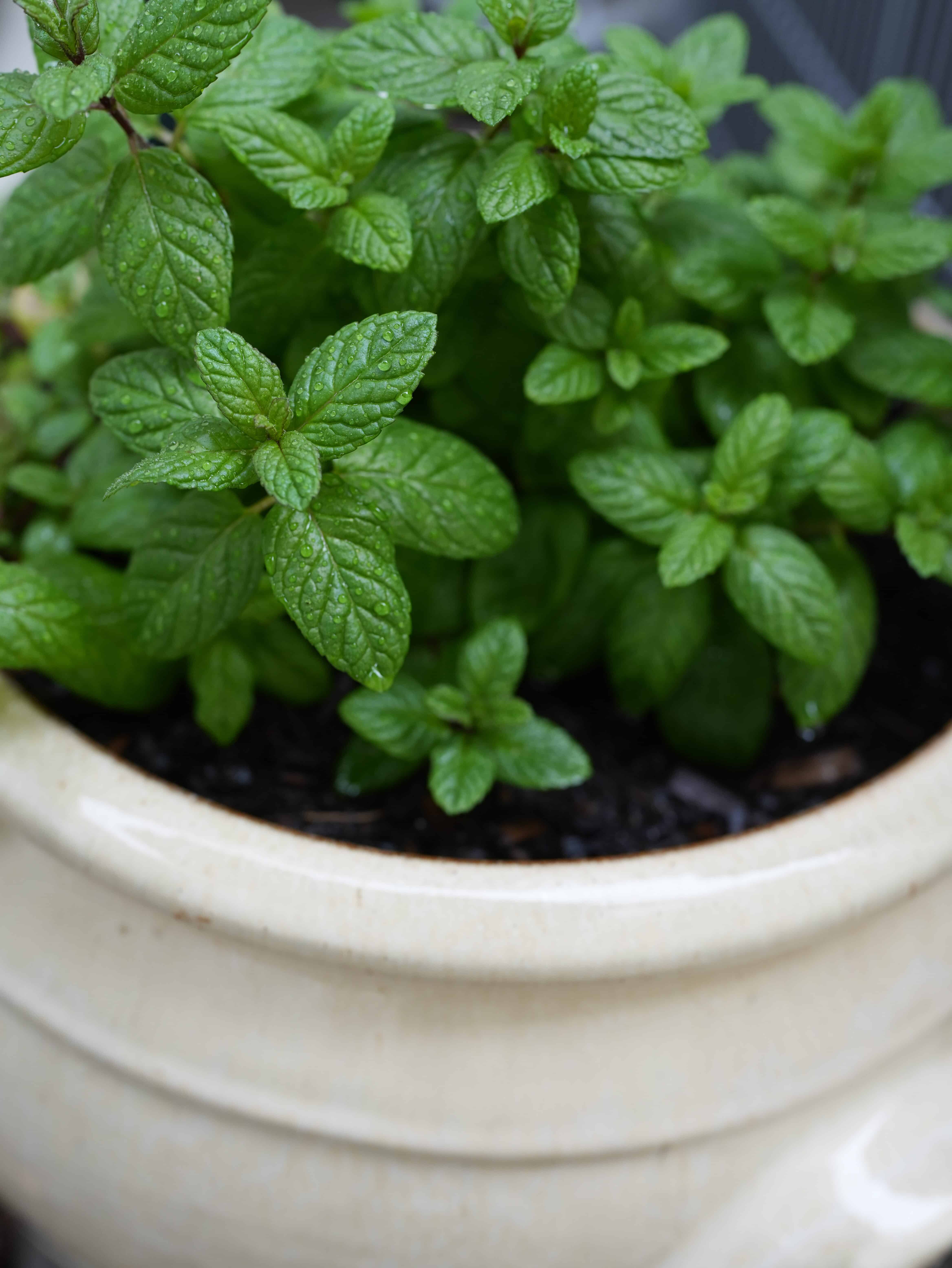
Mint is one of the easiest edible garnishes you can grow — and one of the most useful.
It grows quickly, smells incredible, and makes even plain water feel fresh.
Growing Tips
- Plant in containers only (it spreads aggressively)
- Partial sun works well
- Keep soil consistently moist
Ways to Use Mint
- Lemon water
- Iced tea
- Fruit salads
- Chocolate desserts
- Yogurt bowls
A small pot of mint near your kitchen door is something you’ll use constantly.
3. Rosemary (Elegant & Evergreen)
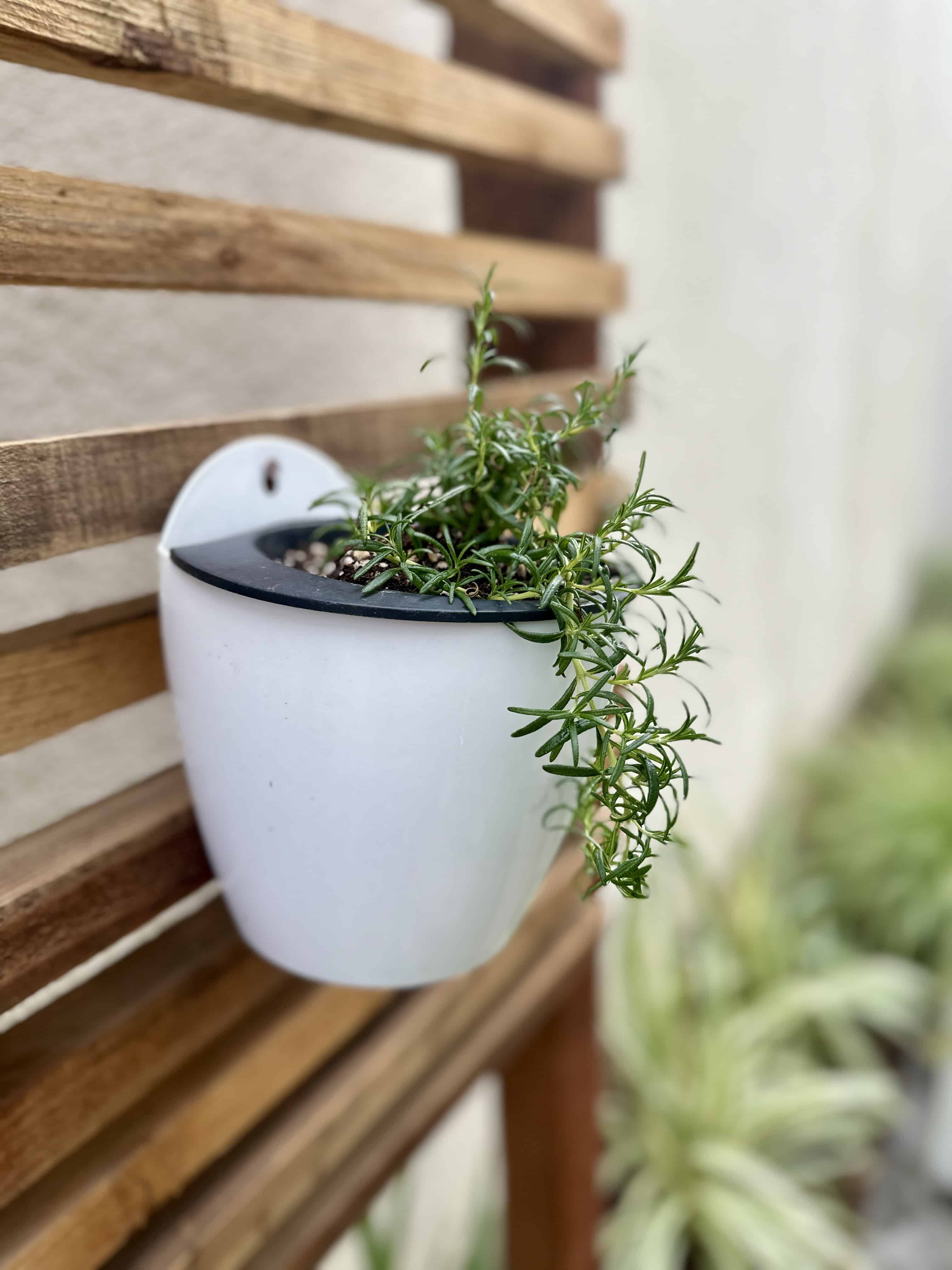
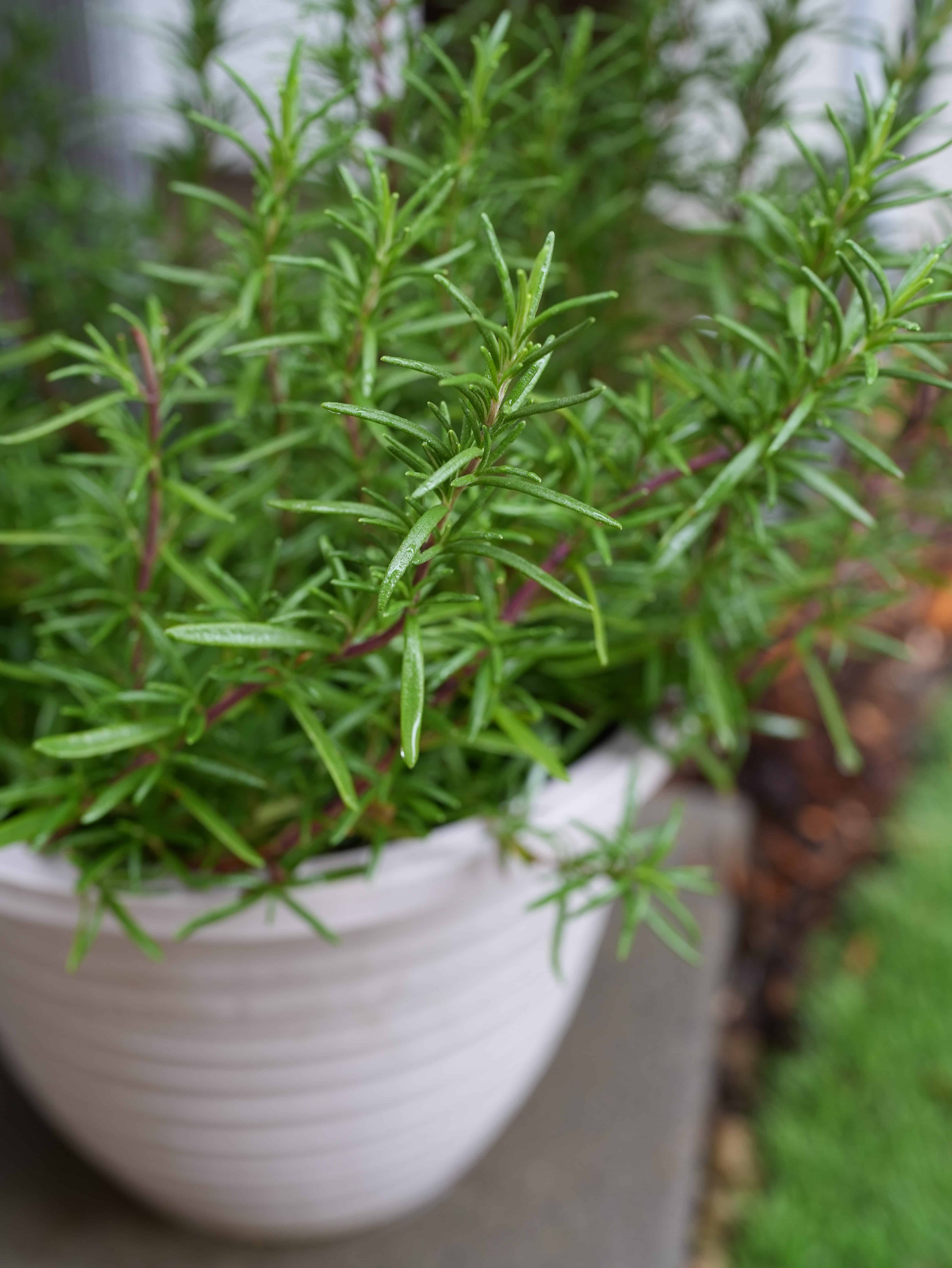
Rosemary is structured, fragrant, and beautiful year-round in many climates.
It doubles as decor and garnish.
Growing Tips
- Full sun
- Excellent drainage
- Thrives in pots
How to Use Rosemary
- Cocktail stirrer
- Garnish for roasted vegetables
- Add to bread boards
- Freeze into herb ice cubes
Even a simple sprig tucked into a drink makes it feel intentional.
4. Lavender (Soft & Fragrant)
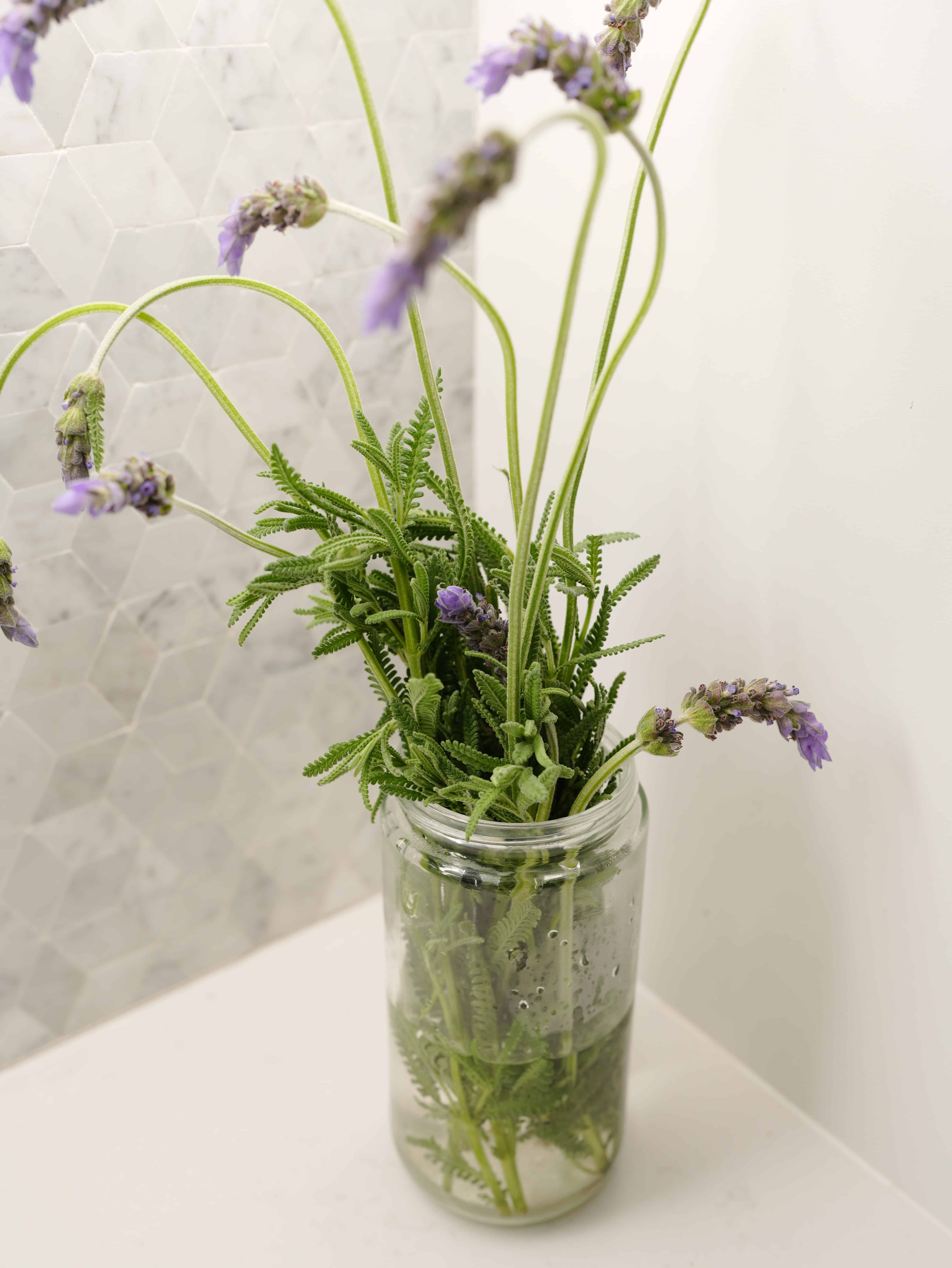
Lavender adds color, fragrance, and a subtle floral note to sweet recipes.
Not all lavender is ideal for cooking, so look for culinary varieties like English lavender.
Growing Tips
- Full sun
- Excellent drainage
- Avoid overwatering
How to Use Lavender
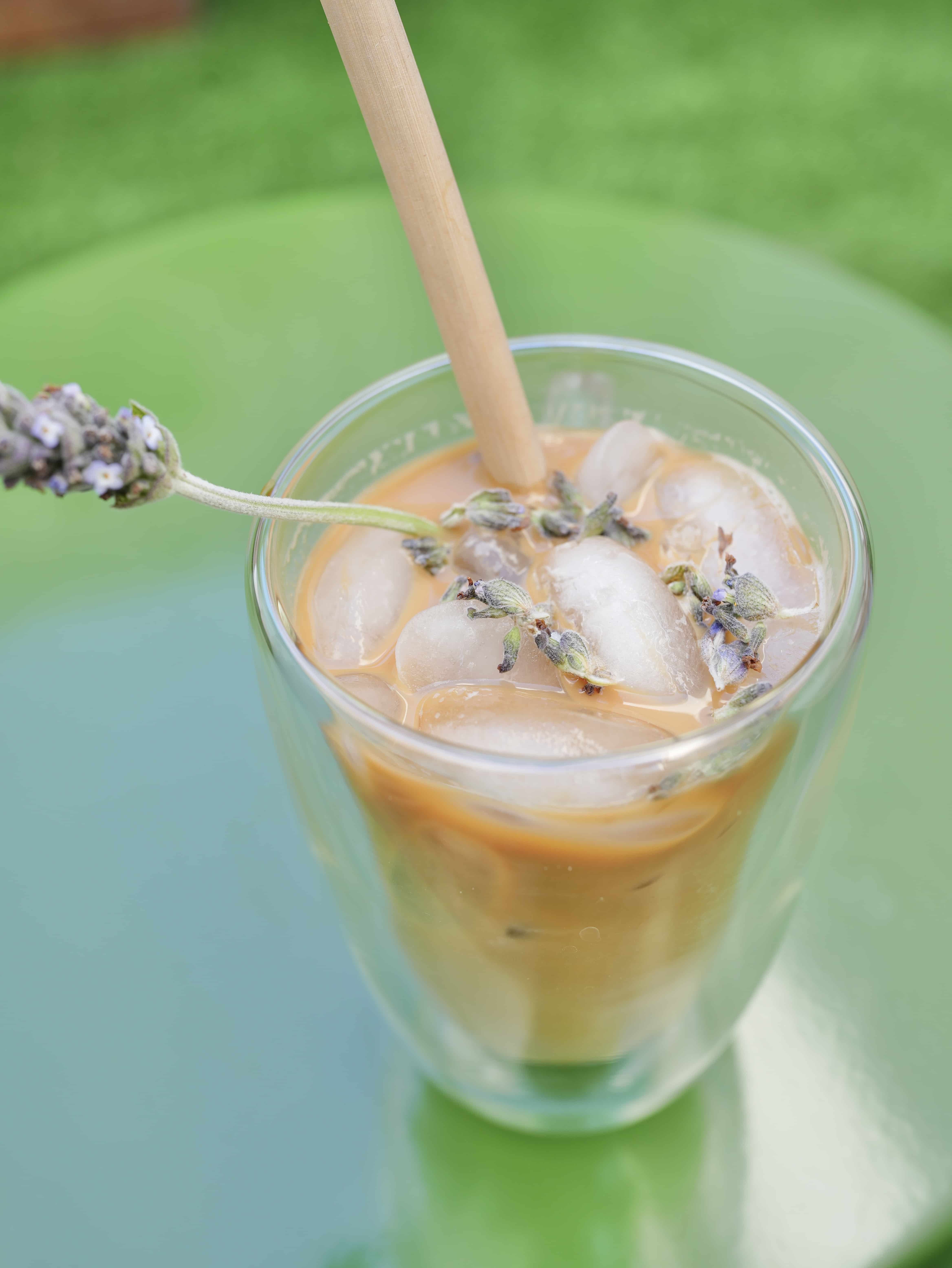
- Lavender lattes
- Simple syrups
- Lemon cakes
- Sugar rims for drinks
A small lavender plant in a pot adds softness to your patio — and flavor to your kitchen.
5. Basil (Especially Purple Basil)
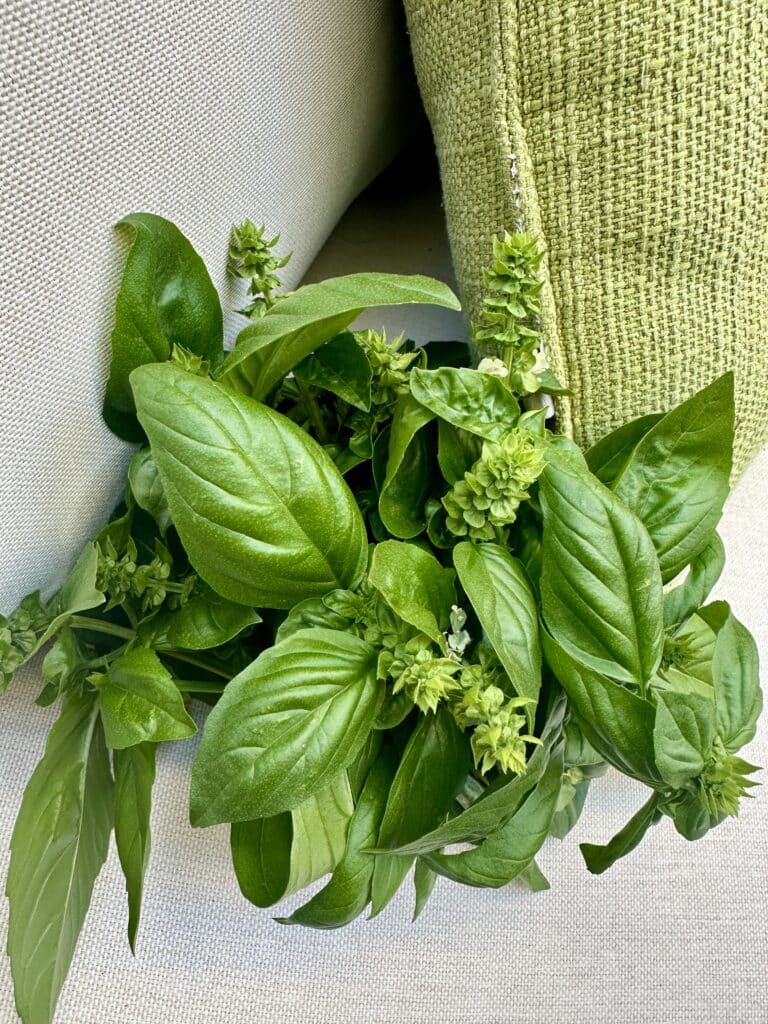
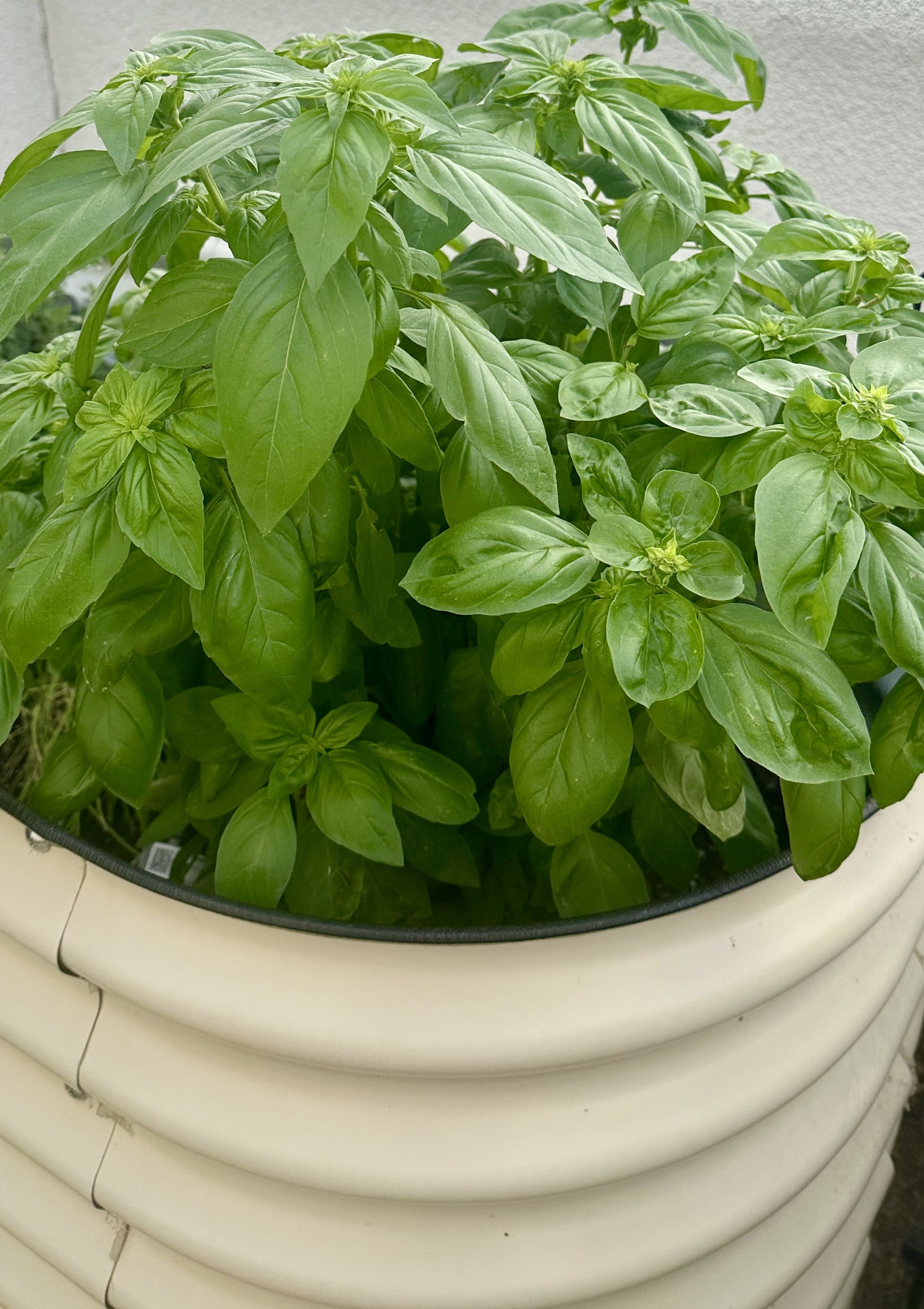
Basil is more than a pasta herb. It’s one of the most versatile edible garnishes.
Purple basil, in particular, adds dramatic color contrast.
Growing Tips
- Full sun
- Pinch regularly to prevent bolting
- Harvest often to encourage fullness
How to Use Basil
- Caprese salads
- Garnish summer drinks
- Chop into fruit salads
- Finish tomato dishes
It’s productive and beautiful all summer long.
6. Chives & Chive Blossoms
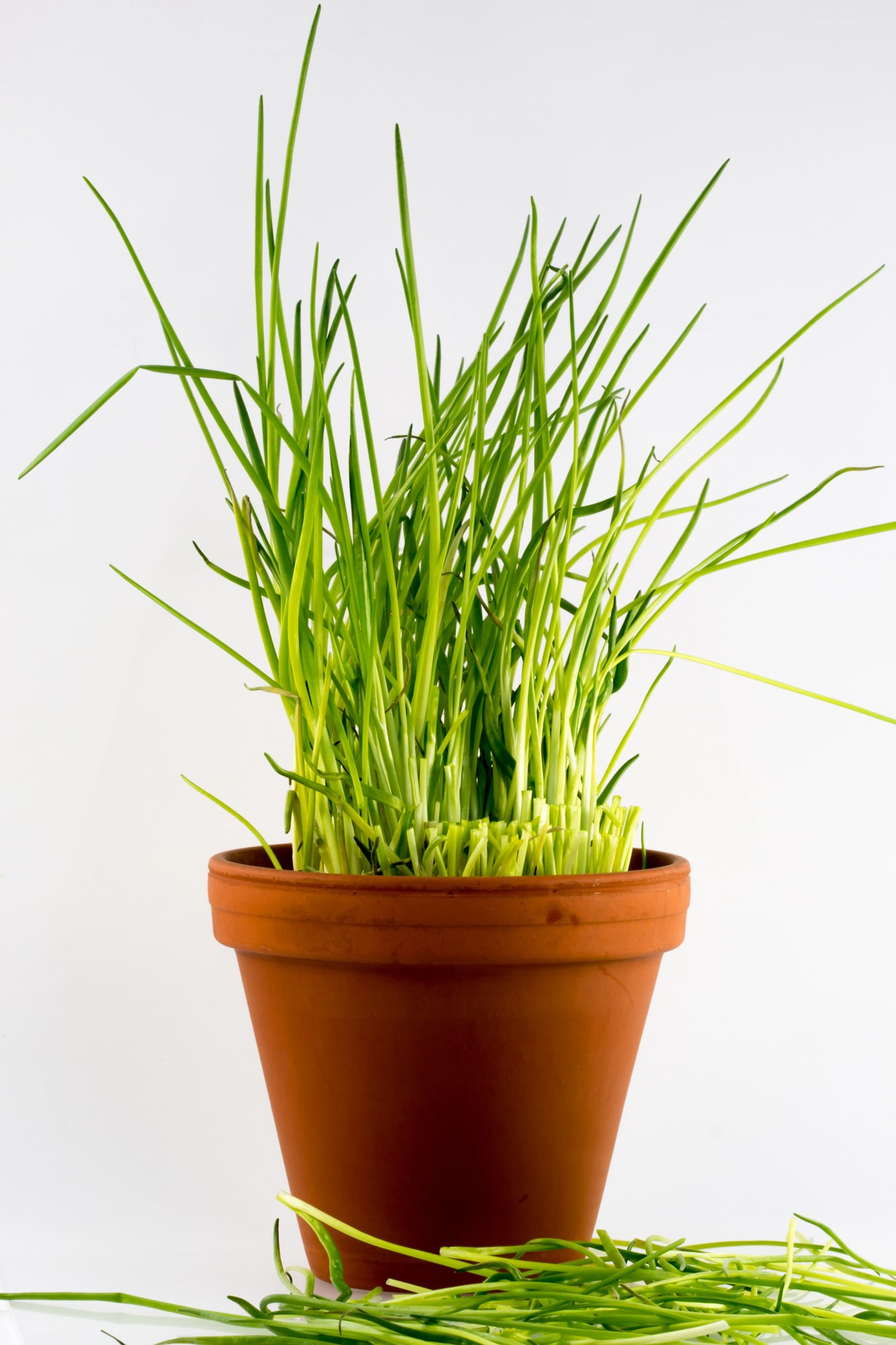
Chives are easy, low-maintenance, and quietly elegant.
Their purple blossoms are edible and lightly onion-flavored.
Growing Tips
- Full sun to partial sun
- Very hardy
- Great for containers
How to Use Them
- Sprinkle over eggs
- Top creamy dips
- Add to salads
- Garnish baked potatoes
They add color and flavor without overpowering a dish.
7. Thyme (Delicate & Refined)
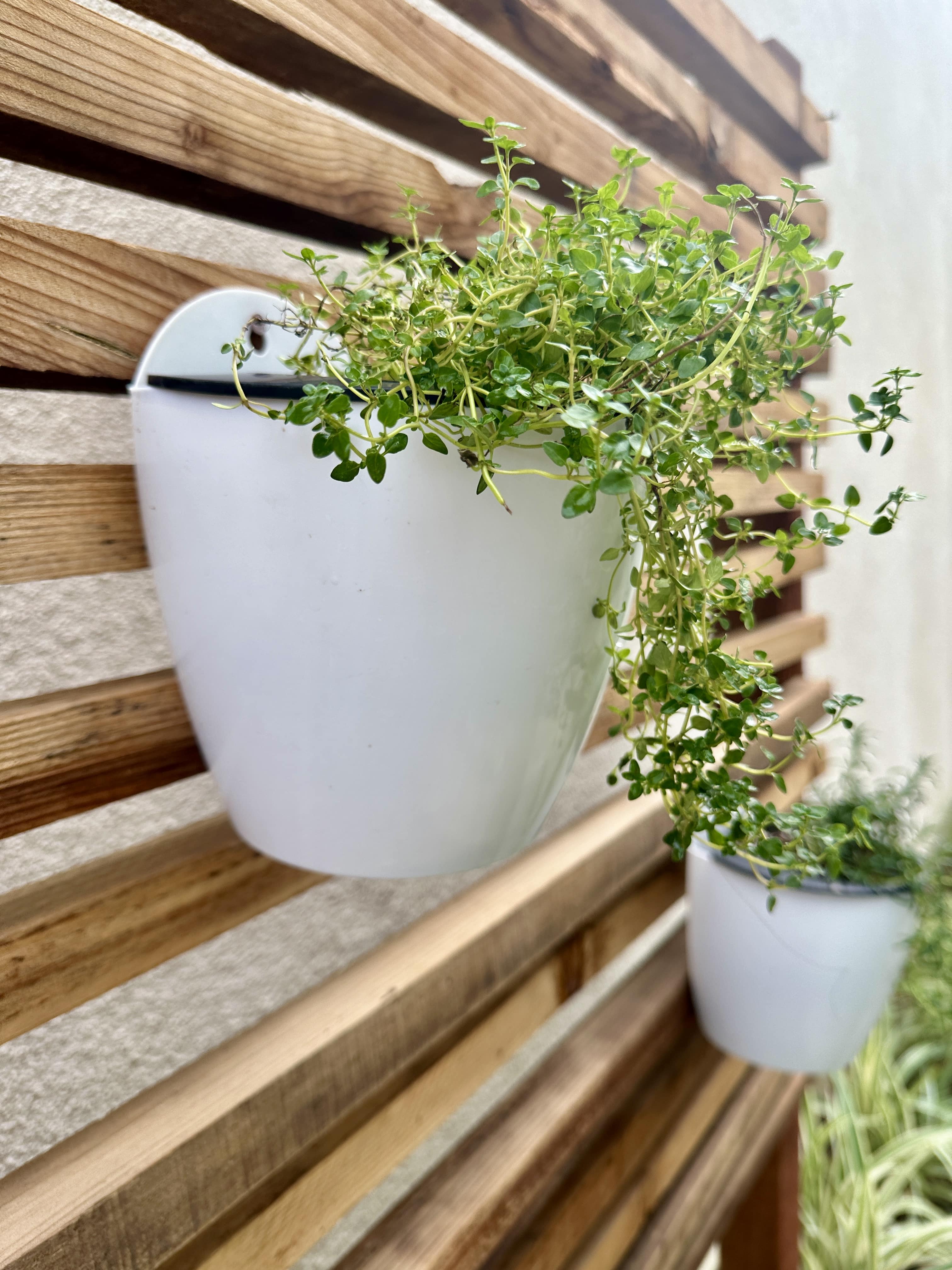
Thyme is subtle but impactful.
Its tiny leaves look delicate sprinkled over roasted vegetables or soups.
Growing Tips
- Full sun
- Well-draining soil
- Drought-tolerant once established
How to Use Thyme
- Finish roasted dishes
- Garnish soups
- Add to compound butter
It’s understated, but incredibly useful.
8. Citrus (Lemons, Limes & Oranges)

If you have space for one slightly larger plant, citrus is one of the most rewarding edible garnishes you can grow.
Even a small potted lemon tree can completely change the look of a patio — and the way you finish drinks and dishes.
Why Citrus Works So Well as a Garnish
Citrus is bright, fresh, and instantly recognizable. A simple lemon slice on the rim of a glass or a thin twist of peel over sparkling water feels polished without being complicated.
It’s also incredibly versatile.
You can use:
- Candied citrus peel
- Lemon wheels
- Zest
- Dried citrus slices
And if you grow it yourself, you always have it on hand.

Growing Citrus in Containers
You don’t need a large yard.
Many varieties grow beautifully in pots, especially:
- Meyer lemons
- Dwarf limes
- Kumquats
Citrus prefers:
- Full sun (at least 6–8 hours)
- Well-draining soil
- Consistent watering (but not soggy roots)
- A slightly larger container as it matures
In colder climates, you can overwinter citrus indoors near a bright window.
Even if your tree produces just a handful of fruit the first year, it’s worth it.
How to Use Citrus as a Garnish
Citrus elevates both sweet and savory dishes.
- Add lemon wheels to water pitchers
- Garnish salads with zest
- Finish roasted vegetables with fresh squeeze
- Make candied dried citrus slices for drinks (they’re gorgeous!)
- Make simple syrup with peels
- Freeze thin slices into ice cubes
And honestly — a bowl of fresh lemons on the counter doubles as decor.
A Seasonal Citrus Idea
In winter especially, citrus becomes the star.
Think:
- Orange slices in simmer pots
- Lemon zest over warm desserts
- Candied peels for holiday platters
- Dried citrus garlands
It brings brightness when the garden feels quieter.
Thin lemon wheels
9. Edible Flowers (Beyond Nasturtiums)
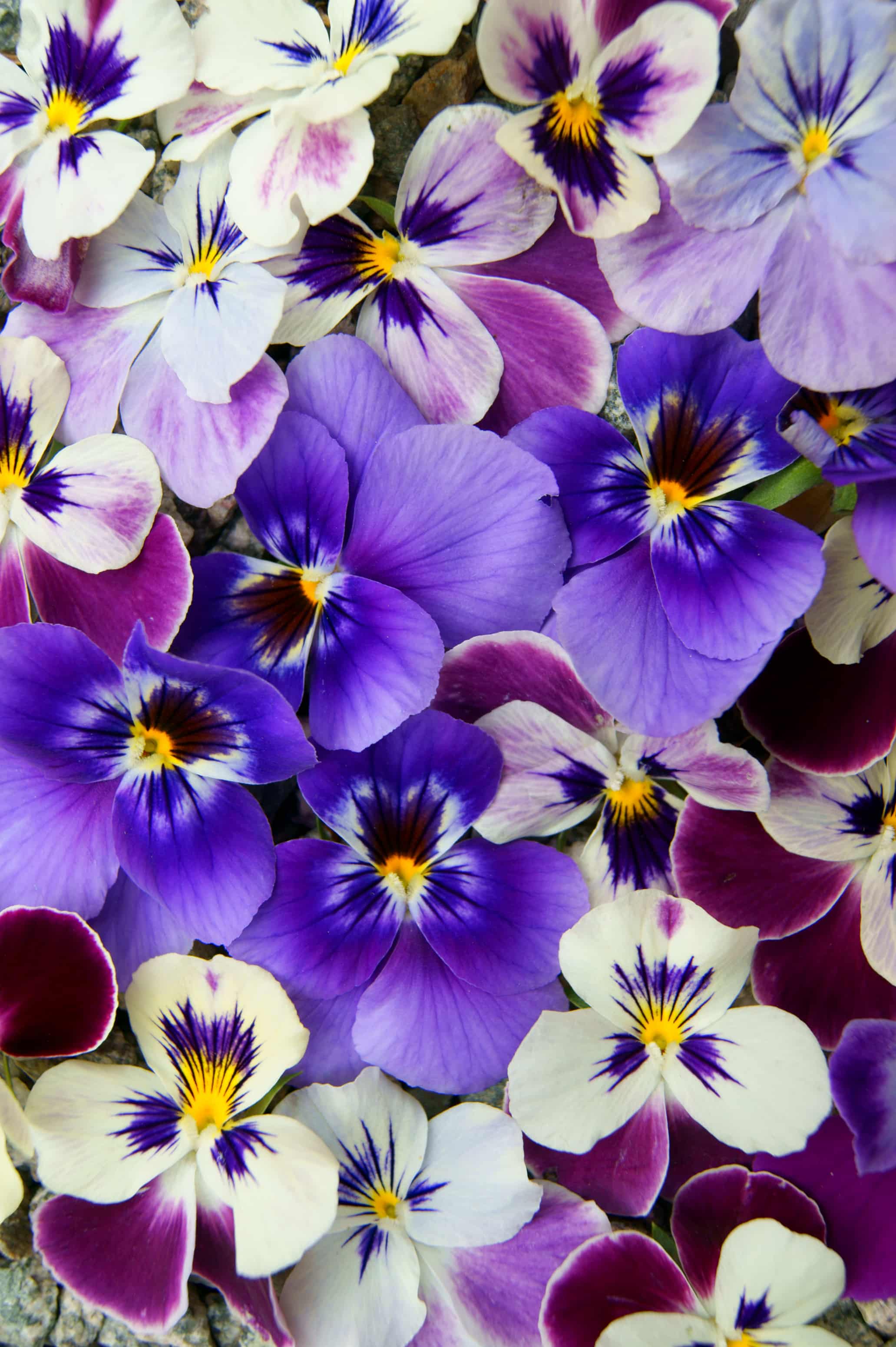
Several other flowers can be grown specifically for garnish.
Pansies & Violas
Cold-tolerant and mild-flavored. Beautiful for spring desserts.
Calendula
Bright petals that add color to salads.
Always confirm a flower is edible before consuming it, and avoid flowers treated with pesticides.
How to Create a Simple Garnish Garden in Small Spaces
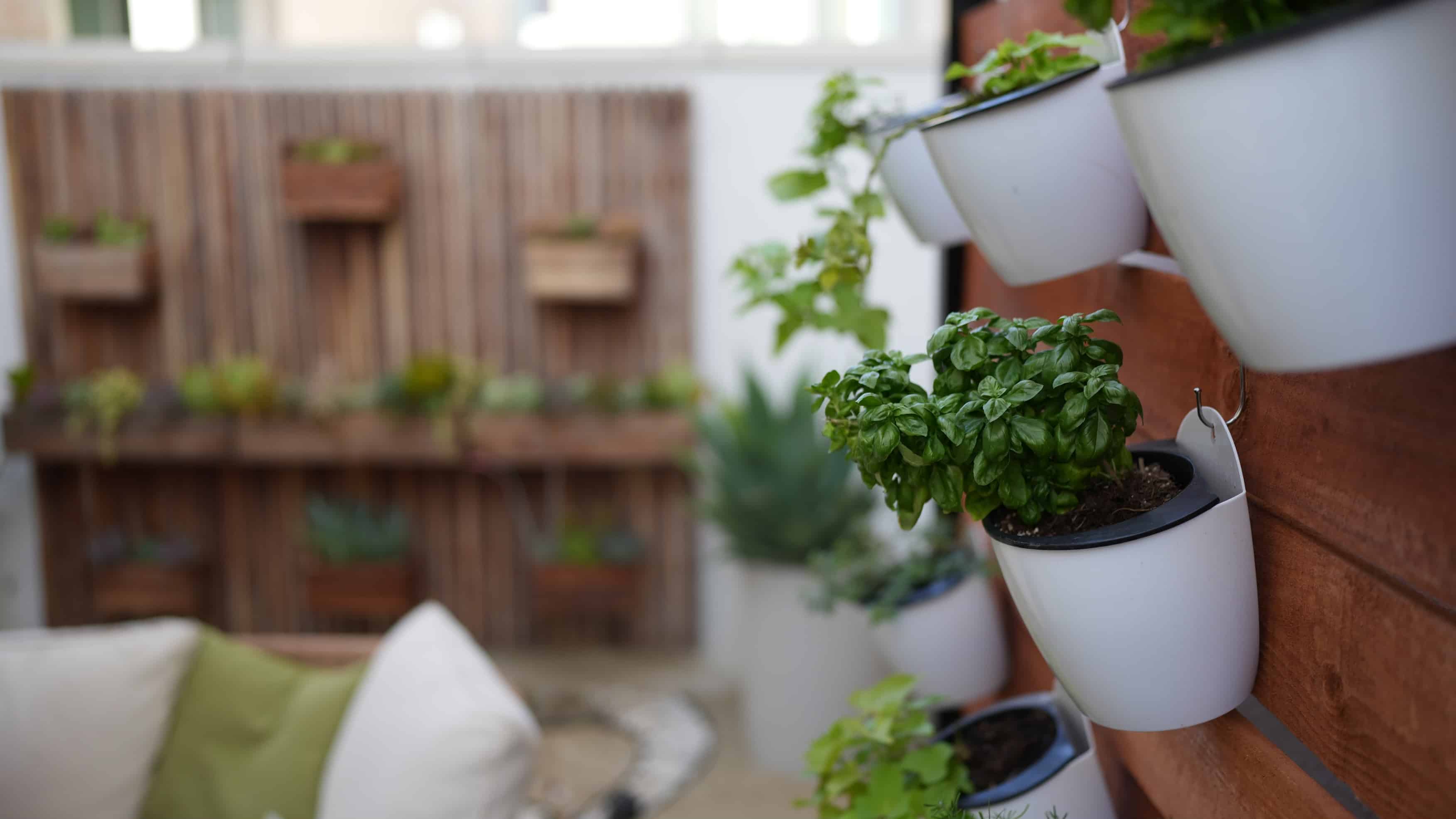
You don’t need a large yard.
You can create a functional garnish garden with:
- 3–5 medium containers
- A vertical planter
- A railing planter box
- A tiered herb stand
Keep it close to your kitchen for convenience. The easier it is to snip, the more you’ll use it.
Grow what you actually enjoy eating. There’s no point growing sage if you never cook with it.
Start small. Add more next season.
How to Store Fresh Garnishes So They Last
To make your harvest practical, storage matters.
- Rinse gently and dry thoroughly
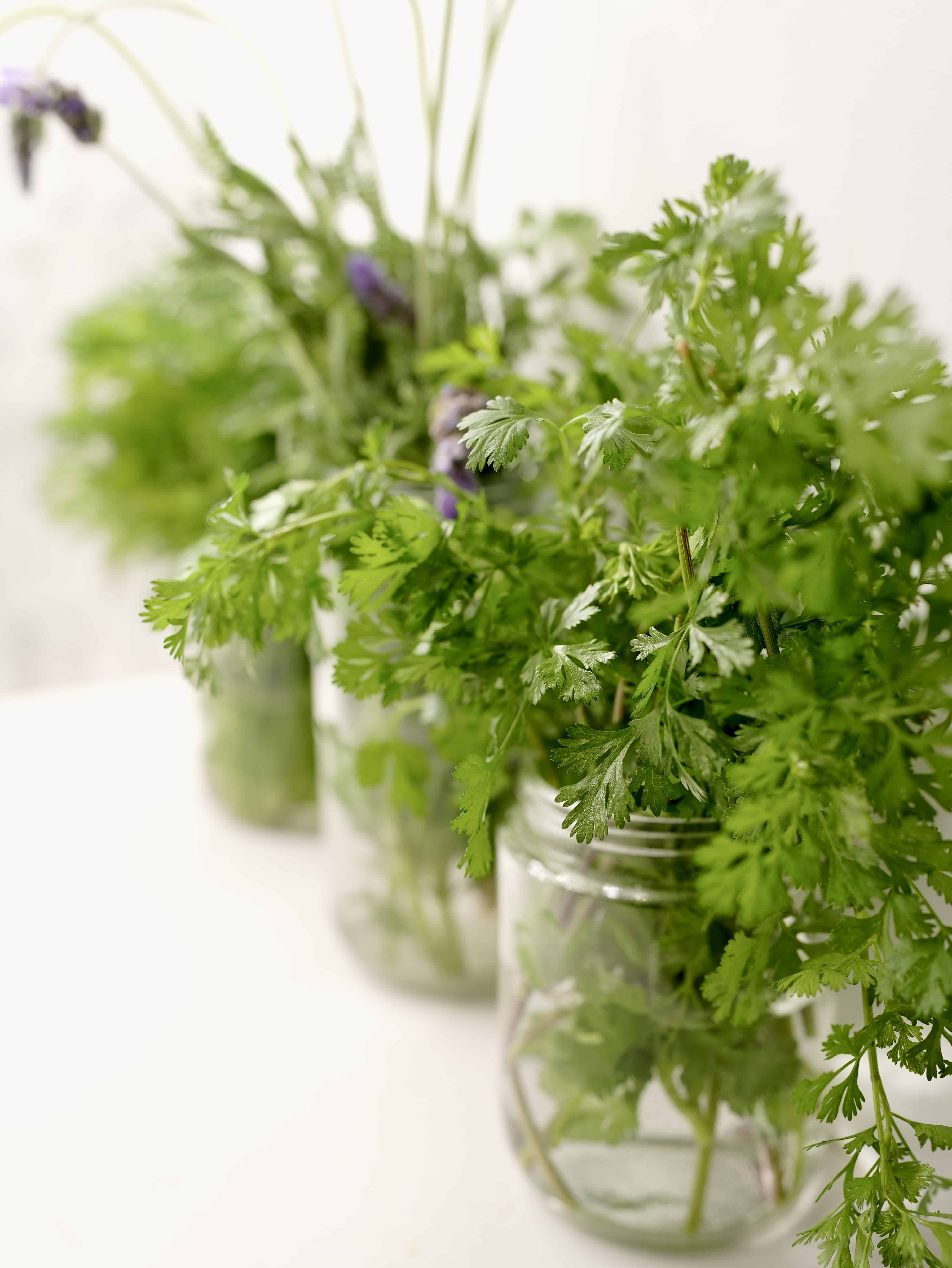
- Store herbs upright in a jar with water
- Cover loosely and refrigerate
- Use flowers within a few days
Keeping herbs in glass jars in the fridge not only preserves them — it makes them visible, so you remember to use them.
Seasonal Garnish Ideas
Spring
Pansies, chives, mint
Summer
Basil, lavender, nasturtiums
Fall
Rosemary, thyme, sage
Winter
Citrus slices, rosemary sprigs
A garnish garden can shift with the seasons, just like the rest of your home.
Simple Ways to Use Edible Garnishes This Week
If you’re new to this, don’t overthink it.
Try:
- Adding mint to your morning water
- Topping a simple salad with nasturtiums
- Floating rosemary in sparkling water
- Sprinkling chives over scrambled eggs
- Garnishing a latte with lavender
These small details make everyday meals feel special.
And when they’re grown right outside your door, they feel even better.
